• MAIN PAGE
  • LATEST NEWS
    • Lost Cities
    • Archaeology's Greatest Finds
    • Underwater Discoveries
    • Greatest Inventions
    • Studies
    • Blog
  • PHILOSOPHY
  • HISTORY
  • RELIGIONS
    • Africa
    • Anatolia
    • Arabian Peninsula
    • Balkan Region
    • China - East Asia
    • Europe
    • Eurasian Steppe
    • Levant
    • Mesopotamia
    • Oceania - SE Asia
    • Pre-Columbian Civilizations of America
    • Iranian Plateau - Central Asia
    • Indus Valley - South Asia
    • Japan
    • The Archaeologist Editor Group
    • Scientific Studies
    • Aegean Prehistory
    • Historical Period
    • Byzantine Middle Ages
    • Predynastic Period
    • Dynastic Period
    • Greco-Roman Egypt
  • Rome
  • PALEONTOLOGY
  • About us
Menu

The Archaeologist

  • MAIN PAGE
  • LATEST NEWS
  • DISCOVERIES
    • Lost Cities
    • Archaeology's Greatest Finds
    • Underwater Discoveries
    • Greatest Inventions
    • Studies
    • Blog
  • PHILOSOPHY
  • HISTORY
  • RELIGIONS
  • World Civilizations
    • Africa
    • Anatolia
    • Arabian Peninsula
    • Balkan Region
    • China - East Asia
    • Europe
    • Eurasian Steppe
    • Levant
    • Mesopotamia
    • Oceania - SE Asia
    • Pre-Columbian Civilizations of America
    • Iranian Plateau - Central Asia
    • Indus Valley - South Asia
    • Japan
    • The Archaeologist Editor Group
    • Scientific Studies
  • GREECE
    • Aegean Prehistory
    • Historical Period
    • Byzantine Middle Ages
  • Egypt
    • Predynastic Period
    • Dynastic Period
    • Greco-Roman Egypt
  • Rome
  • PALEONTOLOGY
  • About us

Porphyrios: The Massive Real Whale That Hunted Ships of the Roman Empire

January 21, 2024

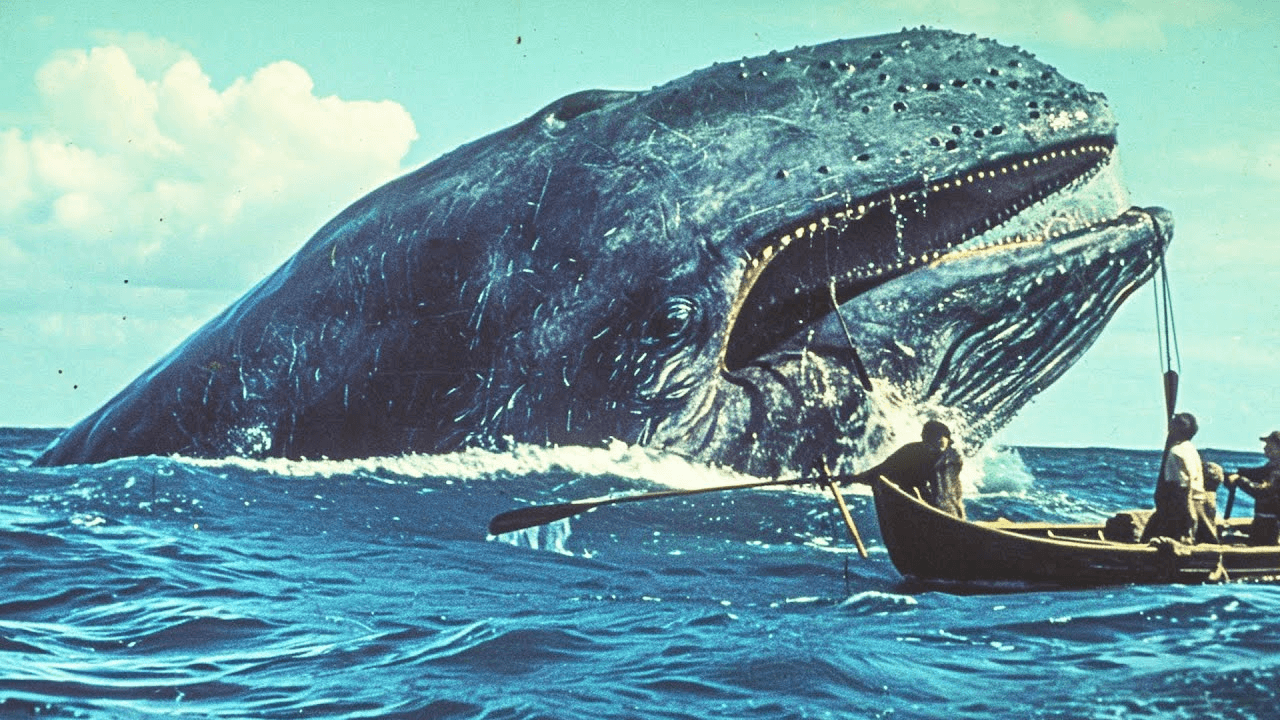
Embark on a nautical journey into the intriguing realm of the 6th-century Eastern Roman Empire, where the colossal whale known as Porphyrios cast a shadow of fear upon Byzantine sailors. Far surpassing mere myth, this formidable creature not only haunted nightmares but also captured the attention of Emperor Justinian the First.

The origins of Porphyrios' name remain shrouded in uncertainty, with theories suggesting nods to Greek or Roman-Byzantine mythology, divine beings, towering giants, or even a literal interpretation based on its dark, purple-tinted skin reminiscent of Byzantine royal garments.

Reigning terror with ruthless attacks, Porphyrios spared none, claiming the lives of soldiers, fishermen, and merchants while leaving a trail of destruction among Byzantine vessels. Eyewitness accounts describe the creature as an immense being, measuring 45 feet long and 15 feet wide, leading some to speculate that it might have been a sperm whale. This predatory nature, coupled with the sperm whale's potential longevity, could explain Porphyrios' enduring reign, lasting over fifty years.

As recounted by Procopius, a Greek scholar and eyewitness, Porphyrios left a chilling legacy of sinking ships, diverting vessels from their course, and striking fear into the hearts of those who sailed the treacherous waters of the Eastern Roman Empire. In the annals of maritime history, the tale of Porphyrios stands as a fascinating blend of reality and maritime folklore, echoing through the centuries.
← 12 Most Incredible Ancient Artifacts FindsWhat the "Light Bulb" Relief Means at the Dendera Temple →
Featured
image_2026-01-05_215026647.png
Jan 5, 2026
Exploring Nintendo 64DD Code Remnants In Ocarina Of Time
Jan 5, 2026
Read More →
Jan 5, 2026
image_2026-01-05_214809830.png
Jan 5, 2026
Ten buildings given protected status in 2025
Jan 5, 2026
Read More →
Jan 5, 2026
image_2026-01-05_214710536.png
Jan 5, 2026
Prosecutors investigate damage to Ajdabiya heritage sites
Jan 5, 2026
Read More →
Jan 5, 2026
image_2026-01-05_214547947.png
Jan 5, 2026
LiDAR reveals lost ancient landscape in Andean Chocó
Jan 5, 2026
Read More →
Jan 5, 2026
image_2026-01-05_214245773.png
Jan 5, 2026
Egypt welcomes record 19 mln tourists in 2025, outpacing global growth
Jan 5, 2026
Read More →
Jan 5, 2026
image_2026-01-05_213905372.png
Jan 5, 2026
Ancient Qin Dynasty Inscription Found on Qinghai-Xizang Plateau Links the Kunlun Legend to Real History
Jan 5, 2026
Read More →
Jan 5, 2026
read more

Powered by The archaeologist