• MAIN PAGE
  • LATEST NEWS
    • Lost Cities
    • Archaeology's Greatest Finds
    • Underwater Discoveries
    • Greatest Inventions
    • Studies
    • Blog
  • PHILOSOPHY
  • HISTORY
  • RELIGIONS
    • Africa
    • Anatolia
    • Arabian Peninsula
    • Balkan Region
    • China - East Asia
    • Europe
    • Eurasian Steppe
    • Levant
    • Mesopotamia
    • Oceania - SE Asia
    • Pre-Columbian Civilizations of America
    • Iranian Plateau - Central Asia
    • Indus Valley - South Asia
    • Japan
    • The Archaeologist Editor Group
    • Scientific Studies
    • Aegean Prehistory
    • Historical Period
    • Byzantine Middle Ages
    • Predynastic Period
    • Dynastic Period
    • Greco-Roman Egypt
  • Rome
  • PALEONTOLOGY
  • About us
Menu

The Archaeologist

  • MAIN PAGE
  • LATEST NEWS
  • DISCOVERIES
    • Lost Cities
    • Archaeology's Greatest Finds
    • Underwater Discoveries
    • Greatest Inventions
    • Studies
    • Blog
  • PHILOSOPHY
  • HISTORY
  • RELIGIONS
  • World Civilizations
    • Africa
    • Anatolia
    • Arabian Peninsula
    • Balkan Region
    • China - East Asia
    • Europe
    • Eurasian Steppe
    • Levant
    • Mesopotamia
    • Oceania - SE Asia
    • Pre-Columbian Civilizations of America
    • Iranian Plateau - Central Asia
    • Indus Valley - South Asia
    • Japan
    • The Archaeologist Editor Group
    • Scientific Studies
  • GREECE
    • Aegean Prehistory
    • Historical Period
    • Byzantine Middle Ages
  • Egypt
    • Predynastic Period
    • Dynastic Period
    • Greco-Roman Egypt
  • Rome
  • PALEONTOLOGY
  • About us

A view of the idol found in Yeşilova Mound, Izmir, western Turkey, Aug. 17, 2022. (DHA)

5,000-year-old goddess idol found in Western Turkey

August 20, 2022

An idol dating back 5,000 years has been unearthed in Turkey.

Believed to represent a plump goddess, the artifact was found in Yeşilova mound, the oldest human settlement area in the western province of Izmir where nearly 200 findings are unearthed every year.

Zafer Derin from the Archaeology Department at Ege University's Faculty of Letters, who is also the head of the excavation at Yeşikova mound, explained that the idol measures 7 centimeters (2.75 inches) and is cubical in structure, with a circular head and rectangular body.
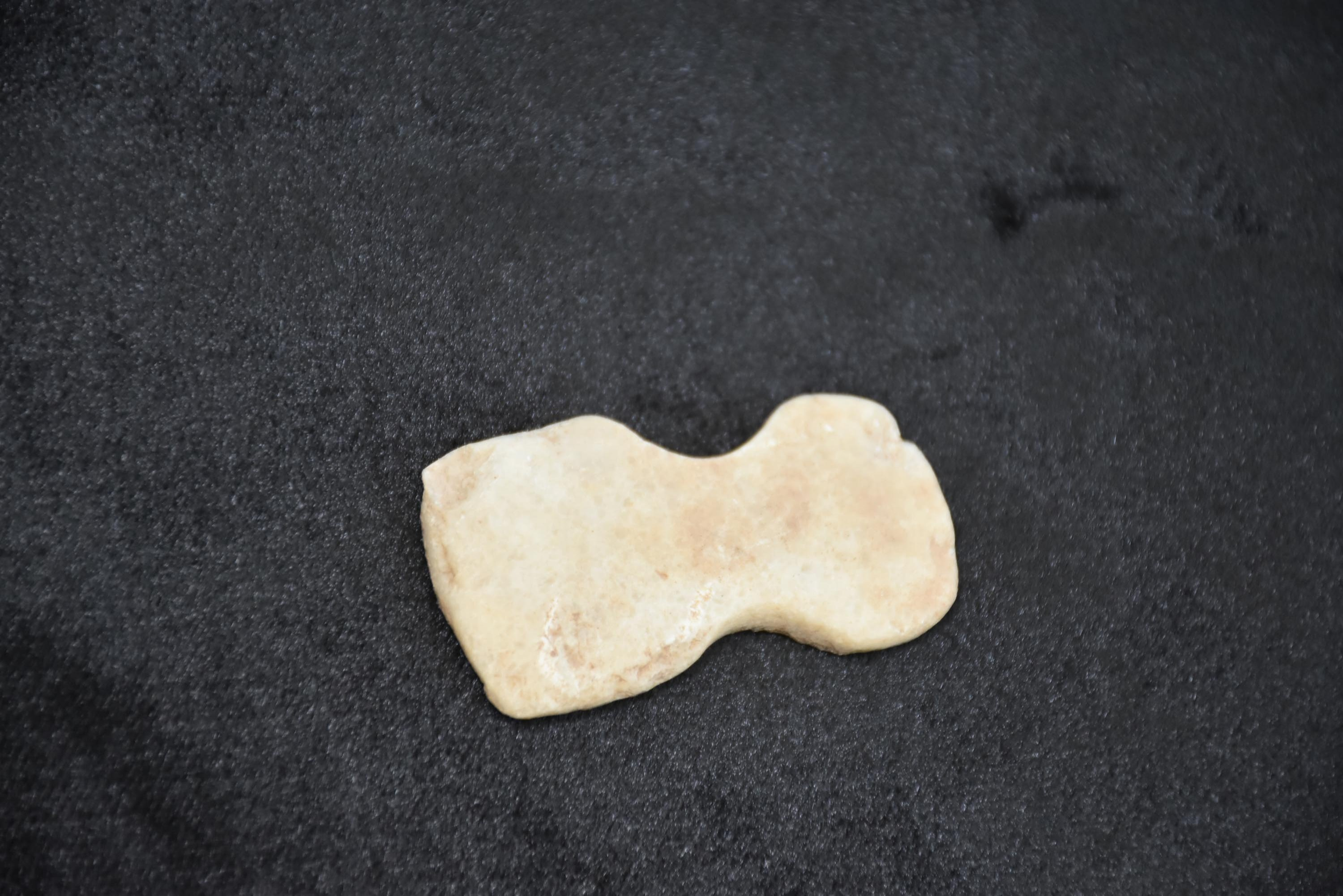
A view of the idol found in Yeşilova Mound, Izmir, western Türkiye, Aug. 17, 2022. (DHA)

Noting that small-sized god or goddess statuettes are described as "idols" in polytheistic religions, Derin continued: "The idol can be interpreted as a two-dimensional worship object. Previously plumpy goddesses were depicted with an authoritarian appearance, holding animals next to them. With the change and abstraction of these goddesses' depictions, they started to be presented like the idol that we have recently unearthed. These types of idols are seen as of the Neolithic period."

Highlighting that the marble idol was used to bring fertility and health to the person carrying it, Derin said that the artifact would be sent to the Izmir Archaeology Museum.

Source: https://www.dailysabah.com/life/history/50...
In Anatolia
← Giant Megalithic Complex of 500 Standing Stones Is Among The Largest in EuropeRare silver coins minted by Viking king Harald Bluetooth discovered in Finland →
Featured
image_2025-12-08_235935547.png
Dec 8, 2025
Medieval Cemetery Unearthed in Denmark Reveals Over 50 Skeletons
Dec 8, 2025
Read More →
Dec 8, 2025
Dec 8, 2025
New study into DNA of ancient Southern Africans changes perspectives on their origins
Dec 8, 2025
Read More →
Dec 8, 2025
image_2025-12-08_235349521.png
Dec 8, 2025
The Holy Grail of Shipwrecks Just Yielded Its First Treasure, With $17 Billion Still Under the Sea
Dec 8, 2025
Read More →
Dec 8, 2025
image_2025-12-08_233505971.png
Dec 8, 2025
Archaeologists Uncover Remarkably Preserved 2,600-Year-Old Monumental Grave in Switzerland
Dec 8, 2025
Read More →
Dec 8, 2025
image_2025-12-08_233315939.png
Dec 8, 2025
Ancient ‘dirty dishes’ may have led archaeologists astray for decades
Dec 8, 2025
Read More →
Dec 8, 2025
image_2025-12-08_232551568.png
Dec 8, 2025
Destroyed by earthquakes, now uncovered by drought: Nicaea
Dec 8, 2025
Read More →
Dec 8, 2025
read more

Powered by The archaeologist