• MAIN PAGE
  • LATEST NEWS
    • Lost Cities
    • Archaeology's Greatest Finds
    • Underwater Discoveries
    • Greatest Inventions
    • Studies
    • Blog
  • PHILOSOPHY
  • HISTORY
  • RELIGIONS
    • Africa
    • Anatolia
    • Arabian Peninsula
    • Balkan Region
    • China - East Asia
    • Europe
    • Eurasian Steppe
    • Levant
    • Mesopotamia
    • Oceania - SE Asia
    • Pre-Columbian Civilizations of America
    • Iranian Plateau - Central Asia
    • Indus Valley - South Asia
    • Japan
    • The Archaeologist Editor Group
    • Scientific Studies
    • Aegean Prehistory
    • Historical Period
    • Byzantine Middle Ages
    • Predynastic Period
    • Dynastic Period
    • Greco-Roman Egypt
  • Rome
  • PALEONTOLOGY
  • About us
Menu

The Archaeologist

  • MAIN PAGE
  • LATEST NEWS
  • DISCOVERIES
    • Lost Cities
    • Archaeology's Greatest Finds
    • Underwater Discoveries
    • Greatest Inventions
    • Studies
    • Blog
  • PHILOSOPHY
  • HISTORY
  • RELIGIONS
  • World Civilizations
    • Africa
    • Anatolia
    • Arabian Peninsula
    • Balkan Region
    • China - East Asia
    • Europe
    • Eurasian Steppe
    • Levant
    • Mesopotamia
    • Oceania - SE Asia
    • Pre-Columbian Civilizations of America
    • Iranian Plateau - Central Asia
    • Indus Valley - South Asia
    • Japan
    • The Archaeologist Editor Group
    • Scientific Studies
  • GREECE
    • Aegean Prehistory
    • Historical Period
    • Byzantine Middle Ages
  • Egypt
    • Predynastic Period
    • Dynastic Period
    • Greco-Roman Egypt
  • Rome
  • PALEONTOLOGY
  • About us
No results found

Asking Tribal Elders Life's Big Questions

February 21, 2024

Mike engages in a conversation with Mpisi, a local traditional healer in Zimbabwe, emphasizing the significance of indigenous knowledge and natural resources for overall well-being. Mpisi passionately encourages individuals to acquire survival skills and cultivate their own sustenance and remedies, aiming to avoid dependence on the external world. He expresses concern that modern civilization can potentially render people vulnerable and less intelligent, pointing out the chemical-laden nature of urban food.

In contrast to city life, Mpisi prioritizes his health and vitality by cultivating his organic produce and incorporating a variety of herbs into his diet. He firmly believes that maintaining harmony with nature is essential for human happiness, contrasting the perceived chaos and lack of consideration in city living. Mpisi advocates for communal cooperation, emphasizing the value of sharing both food and joy with others.

As a devoted naturalist, Mpisi holds the belief that natural resources possess inherent healing properties, while cautioning against the potential harm chemicals may pose to the body. His lifestyle choices reflect a commitment to a holistic approach to health, rooted in a deep respect for the environment and an understanding of the interconnectedness of all living things.
← The Filthy Amusements of Egyptian Pharaohs6 Mysterious Historical Discoveries of 2015 →
Featured
Whaling-scenes-a-English-whalers-in-the-North-Atlantic-19th-century-Cheever-1853.webp
October 18, 2026
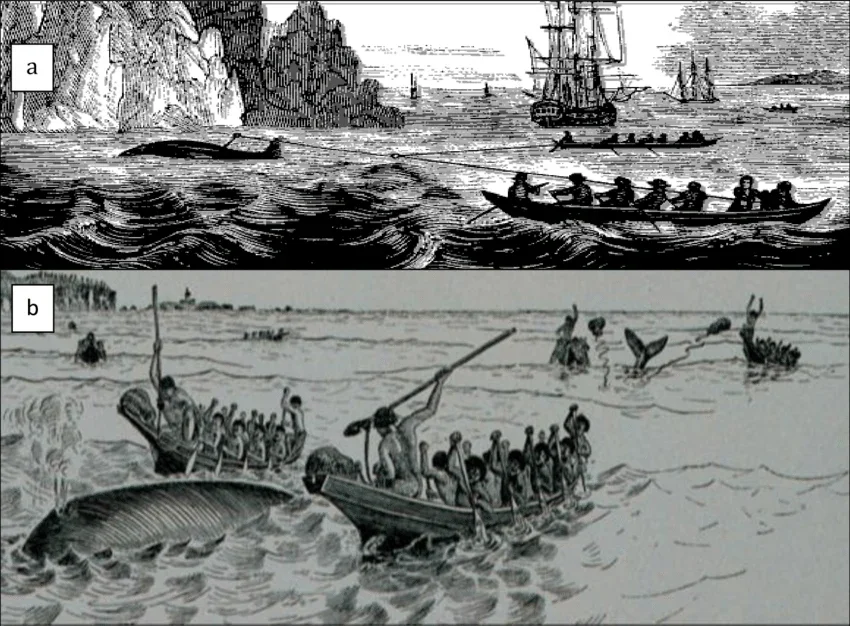
Medieval Arctic Whaling Stations: Norse and Indigenous Interactions
October 18, 2026
Read more →
October 18, 2026
images+(71).webp
October 18, 2026
Carbonate Crusts as Dating Tools on Coastal Archaeological Wood
October 18, 2026
Read more →
October 18, 2026
images - 2026-10-17T223455.684.jpeg
October 18, 2026
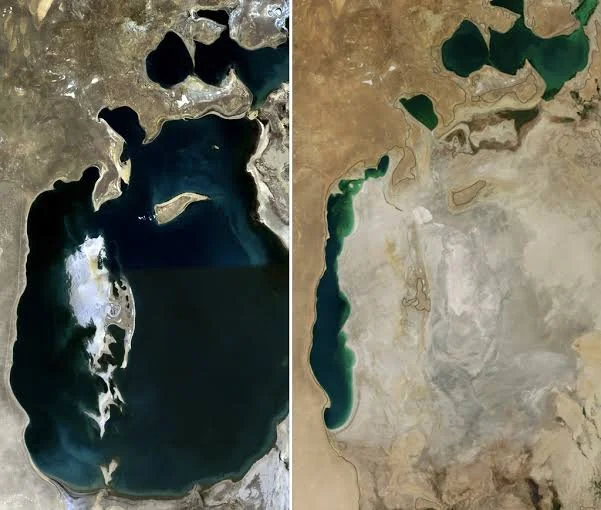
The Collapse of Prehistoric Irrigation in Central Asia: New Models
October 18, 2026
Read more →
October 18, 2026
acoustics-05-00018-g004 (1).png
October 18, 2026
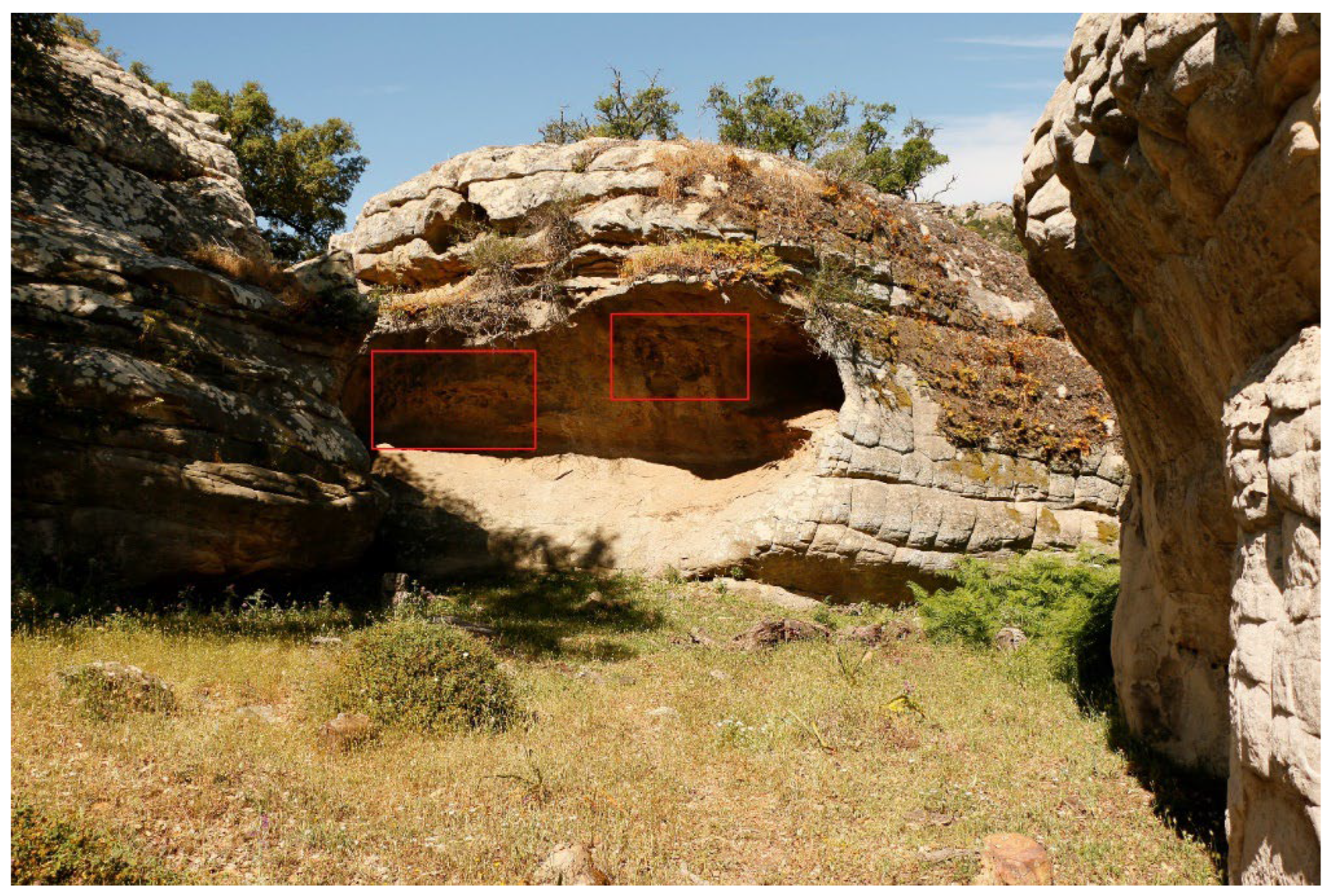
Rock-Shelter Soundscapes: Acoustics and Ritual Performance in Prehistory
October 18, 2026
Read more →
October 18, 2026
images - 2026-10-17T223602.054.jpeg
October 18, 2026
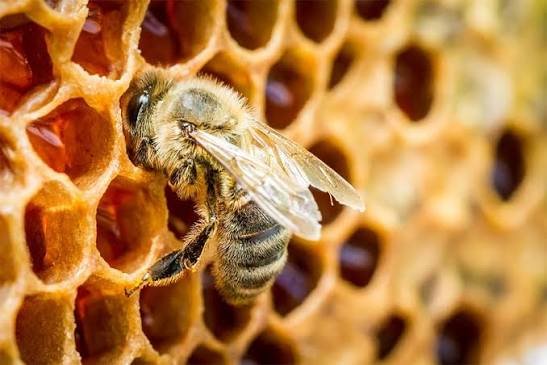
The Archaeology of Ancient Beekeeping: Hives, Honey and Trade
October 18, 2026
Read more →
October 18, 2026
October 18, 2026
Forgotten Ironworks: Sub-Saharan Bloomery Sites off the Mainstream Map
October 18, 2026
Read more →
October 18, 2026
read more

Powered by The archaeologist