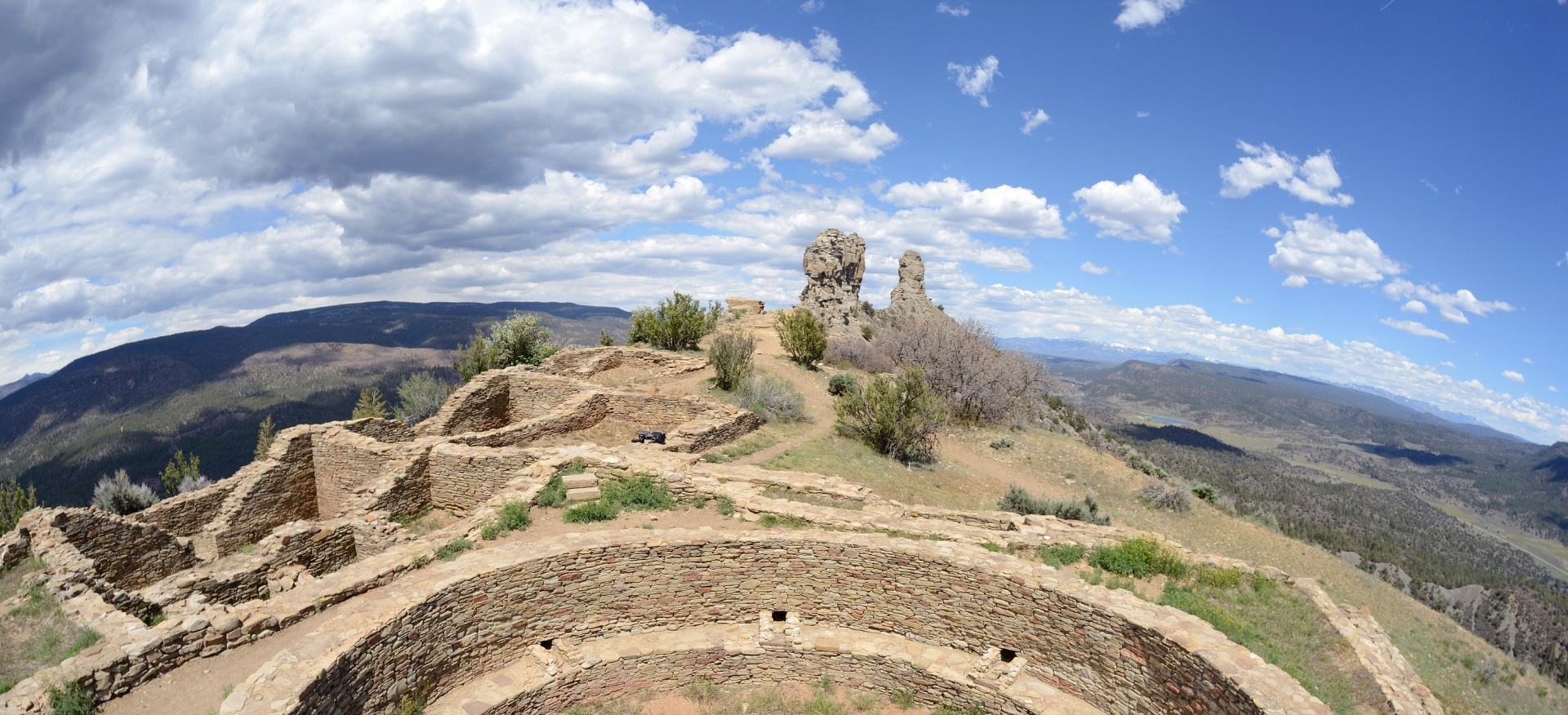
The relic casket found within Devnimori Stupa at a height of 24 feet from the base, made out of green schist
A Symbol of Shared Spiritual Heritage
In an important act of spiritual engagement and cultural diplomacy, the revered Devnimori Relics of Lord Buddha, currently housed at The Maharaja Sayajirao University of Baroda in Vadodara, are set to travel to Sri Lanka for a public exhibition. The exposition will take place in Colombo from February 4 to February 10, after which the relics will return to India on February 11.
Ceremonial Send-Off from Gujarat
The sacred relics will depart following a formal ceremony in Vadodara, where Gujarat Chief Minister Bhupendra Patel will offer floral tributes and a ceremonial guard of honour. The delegation accompanying the relics will include Gujarat Governor Acharya Devvrat, Deputy Chief Minister Harsh Sanghavi, senior monks, and government officials.
According to an official government statement, the journey highlights India’s historical role as the birthplace of Buddhism and reflects the deep spiritual and cultural connections shared by India and Sri Lanka over centuries.
Travel with Full State Honours
The relics will be transported aboard a special aircraft, traveling from Vadodara to Colombo via Delhi. In keeping with established protocol and the sanctity of the relics, they will receive full state honours during transit.
The Indian delegation will participate in several ceremonial, religious, and official events in Colombo. These include the formal opening of the exposition and related cultural showcases that present India’s rich Buddhist legacy and its ongoing cultural engagement with the region.
Public Veneration at Gangaramaya Temple
During the exhibition, the Devnimori Relics will be placed at Gangaramaya Temple, one of Sri Lanka’s most prominent and spiritually significant Buddhist centers. Devotees and visitors will have the opportunity to pay their respects at this renowned religious institution in the heart of Colombo.
Origins of the Devnimori Relics
The Devnimori Relics originate from the Devnimori archaeological site near Shamlaji in Gujarat’s Aravalli district. This historically important location was first systematically explored in 1957, uncovering Buddhist structures and sacred remains that demonstrate the strong presence of Buddhism in western India during the early centuries of the Common Era.
Beyond their archaeological value, the relics embody the enduring teachings of Lord Buddha, including peace, compassion, and harmony, making them both a historical treasure and a living spiritual symbol.
Cultural Diplomacy and Regional Relations
The exhibition in Sri Lanka also serves a broader diplomatic purpose. By sharing one of its most sacred Buddhist relics, India reinforces the civilizational roots of its relationship with Sri Lanka—one founded on shared beliefs, history, and values.
This initiative strengthens cultural diplomacy and supports a people-centered approach to foreign relations. The exposition enhances mutual trust, deepens public engagement, and complements formal diplomatic efforts with meaningful cultural exchange.
Details of the Sacred Relic Casket
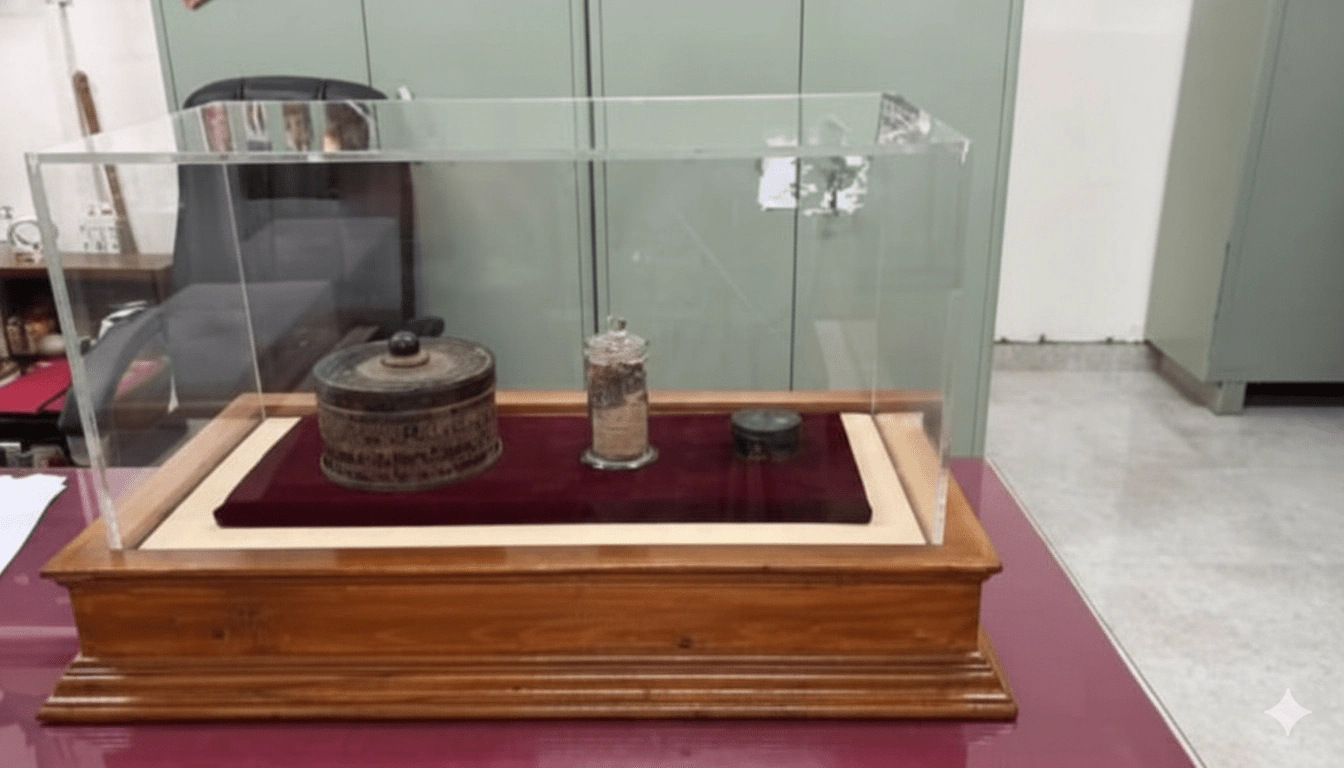
The relic casket was discovered inside the Devnimori Stupa, approximately 24 feet above the base, and is crafted from green schist stone. It bears inscriptions in Brahmi script and Sanskrit, identifying it as the resting place of the Buddha’s bodily relics.
Inside the stone casket is a copper container holding sacred ashes, silk fabric, beads, and organic material. The casket itself consists of three distinct parts: a base, a lid, and a rounded top knob.
Within the copper box, researchers found a gold-coated silver-copper bottle shaped like a small amphora, along with silk cloth and protective clay. These items are carefully preserved on a cotton base to ensure their long-term conservation.
Continuing India’s Global Buddhist Outreach
The Sri Lanka exposition builds on India’s long-standing practice of sharing its Buddhist heritage internationally. In recent years, sacred relics of Lord Buddha have been displayed in countries including Thailand, Mongolia, Vietnam, Bhutan, and the Russian Federation, attracting millions of devotees and fostering stronger people-to-people ties worldwide.
Through initiatives like this, India continues to affirm its role as a responsible guardian of global Buddhist heritage while promoting peace, harmony, and regional cooperation across Asia.