Pits are among the most common archaeological features found in ancient settlements. They could be used for storage, refuse disposal, food preparation, craft activities, burial, or other purposes. Their interpretation depends heavily on their shape, contents, stratigraphy, and relationship to nearby buildings.
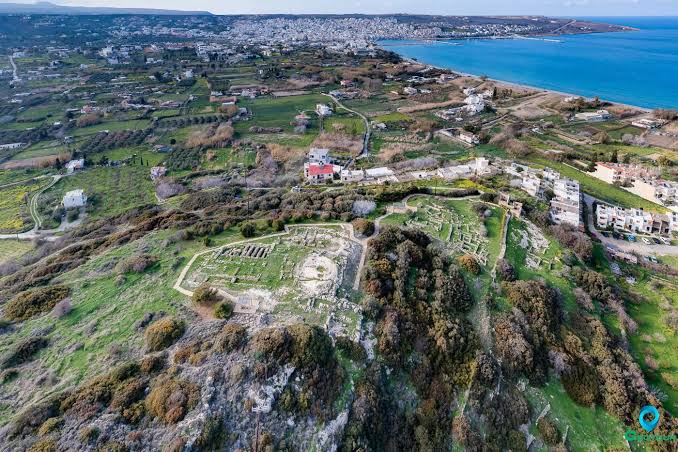
Petras, near Sitia in eastern Crete, is an important archaeological site associated with Minoan settlement and palace activity. Archaeological excavations have documented architectural remains and evidence of occupation during different phases of the Bronze Age. The wider area contributes to understanding settlement organization, administration, trade, and domestic life in eastern Crete.
Pits within Minoan settlements could have served a range of functions. Storage pits might preserve agricultural products, while refuse pits could contain broken pottery, animal bones, charcoal, and other discarded materials. Some pits might have been reused after their original purpose ended, creating complex layers of evidence.
The reference to Minoan pits in a Petras garden raises questions about the relationship between modern land use and prehistoric remains. Gardens, agricultural plots, and later buildings can conceal archaeological features that become visible through excavation, soil changes, or construction activity.
A pit cannot be identified as Minoan merely because it is located near an established archaeological site. Researchers would need to examine its stratigraphy, associated objects, soil composition, and dateable materials. Pottery fragments, charcoal, organic remains, and other finds could help establish its chronology and function.
The study of pits is important because they often contain evidence of daily life that is absent from monumental architecture. Their contents may reveal food storage, waste management, craft production, agricultural activity, and household behavior.
If securely documented in a garden near Petras, such features could contribute to the reconstruction of settlement activity beyond the excavated monumental areas. Until verified, however, the exact garden location should remain a proposed context rather than a confirmed discovery.