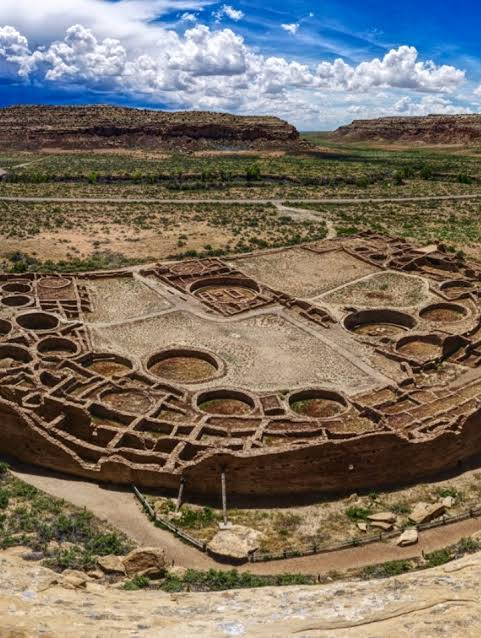
Introduction: Architecture as a Reflection of the Cosmos
Since antiquity, sacred geometry has played a fundamental role in the design and construction of temples, pyramids, and monumental religious structures. For ancient civilizations, architecture was never merely functional or decorative—it was a symbolic act. By embedding mathematical order into stone, builders sought to mirror the structure of the cosmos itself.
Sacred spaces were conceived as points of alignment between heaven and earth. Geometry, number, and proportion were believed to carry metaphysical meaning, allowing human-made structures to resonate with divine order. Across cultures and continents, remarkably similar principles emerged, suggesting a shared belief that mathematics was the language of the universe.
What Is Sacred Geometry?
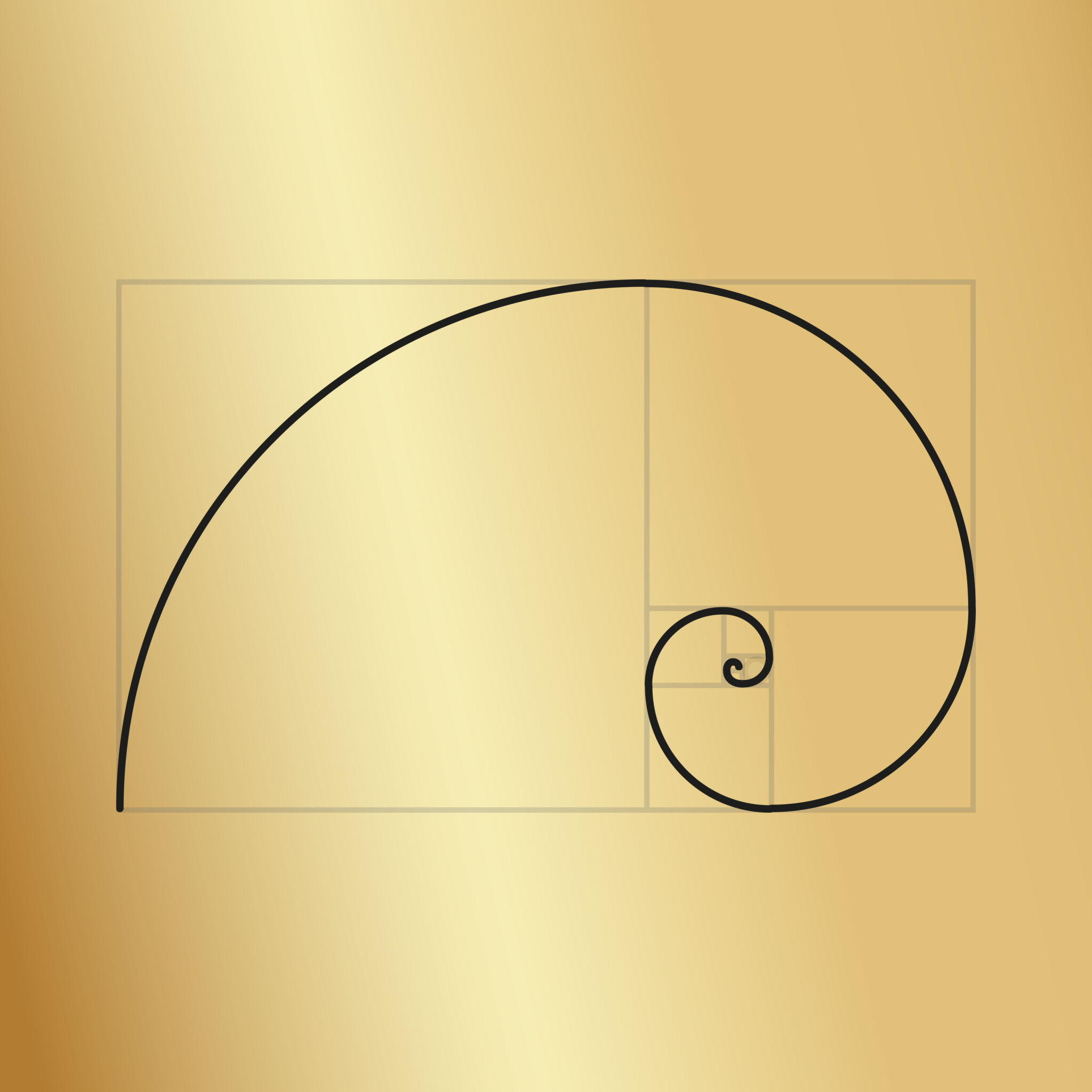
Sacred geometry refers to geometric forms, ratios, and patterns believed to possess spiritual or cosmic significance. These forms were not abstract concepts but practical tools used in architecture, art, and ritual design.
Key elements of sacred geometry include:
The Golden Ratio (φ ≈ 1.618): Associated with natural growth patterns and aesthetic harmony
The Fibonacci Sequence: A numerical pattern reflected in plants, shells, and galaxies
Platonic Solids: Geometric forms linked by ancient philosophers to the elements of reality
Circles, squares, and triangles: Considered archetypal shapes representing unity, stability, and transformation
Ancient builders believed that using these proportions could create spaces that felt ordered, balanced, and spiritually charged.
Sacred Geometry and Ancient Worldviews
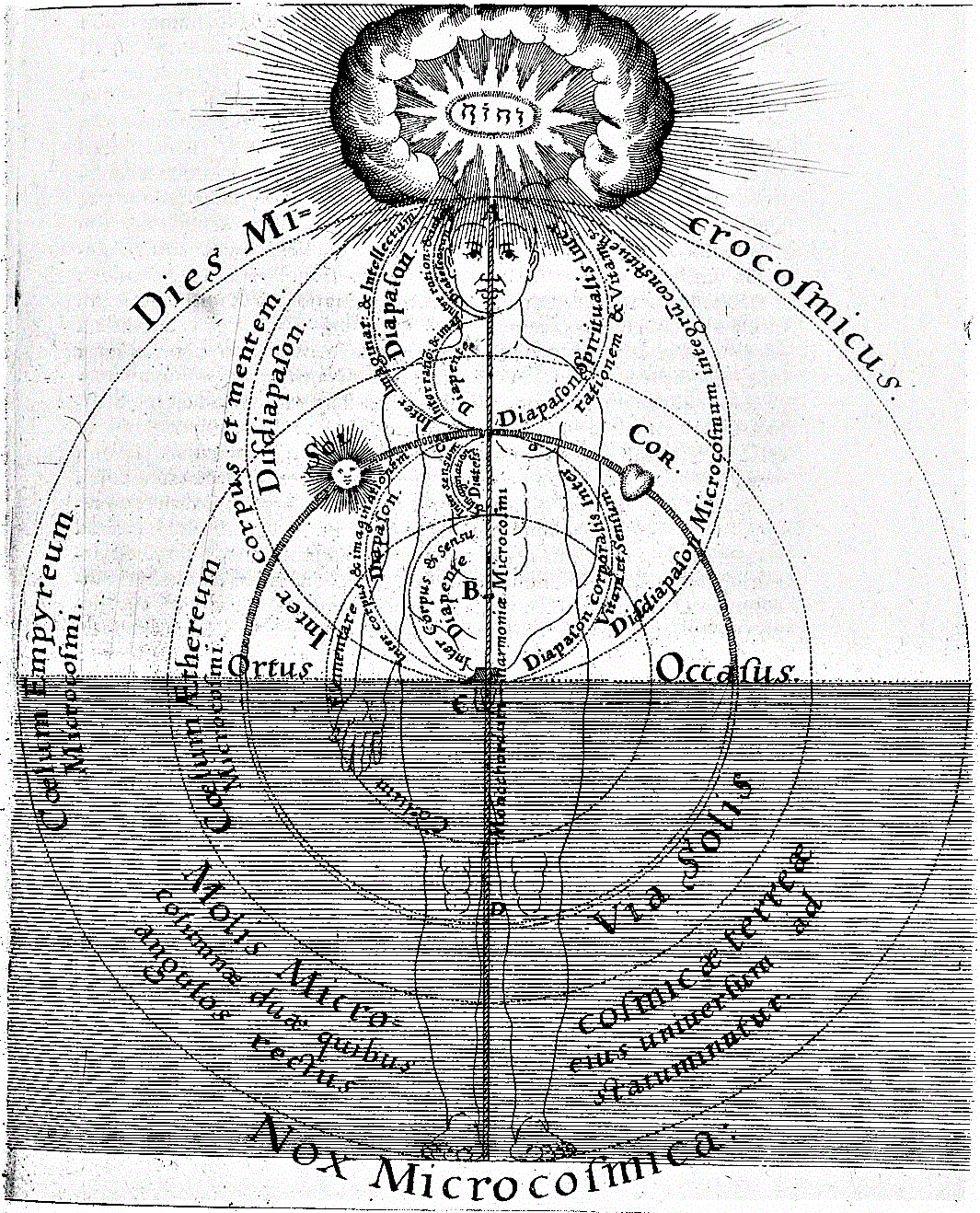
In many ancient cultures, the universe was understood as an ordered system governed by mathematical laws. Humans were viewed as a microcosm reflecting the macrocosm of the heavens. Sacred buildings functioned as symbolic models of the universe—places where cosmic harmony could be experienced directly.
This worldview explains why temples were often aligned with:
Solstices and equinoxes
Cardinal directions
Stellar constellations
Planetary cycles
Geometry provided the framework through which cosmic order was translated into physical space.
The Pyramids of Egypt: Geometry and Eternity

The Great Pyramid of Giza stands as one of the most powerful expressions of sacred geometry in human history. Its proportions closely approximate the golden ratio, and its orientation aligns with astonishing precision to the cardinal directions.
Key geometric and symbolic features include:
A base-to-height ratio reflecting φ
Possible alignment with the stars of Orion’s Belt
A square base symbolizing Earth and stability
An apex pointing toward the heavens, symbolizing ascent and immortality
For the ancient Egyptians, geometry was inseparable from Ma’at—the principle of cosmic balance and order. The pyramid was not merely a tomb, but a metaphysical machine designed to facilitate the pharaoh’s transition into the divine realm.
Greek Temples: Harmony, Proportion, and the Human Ideal
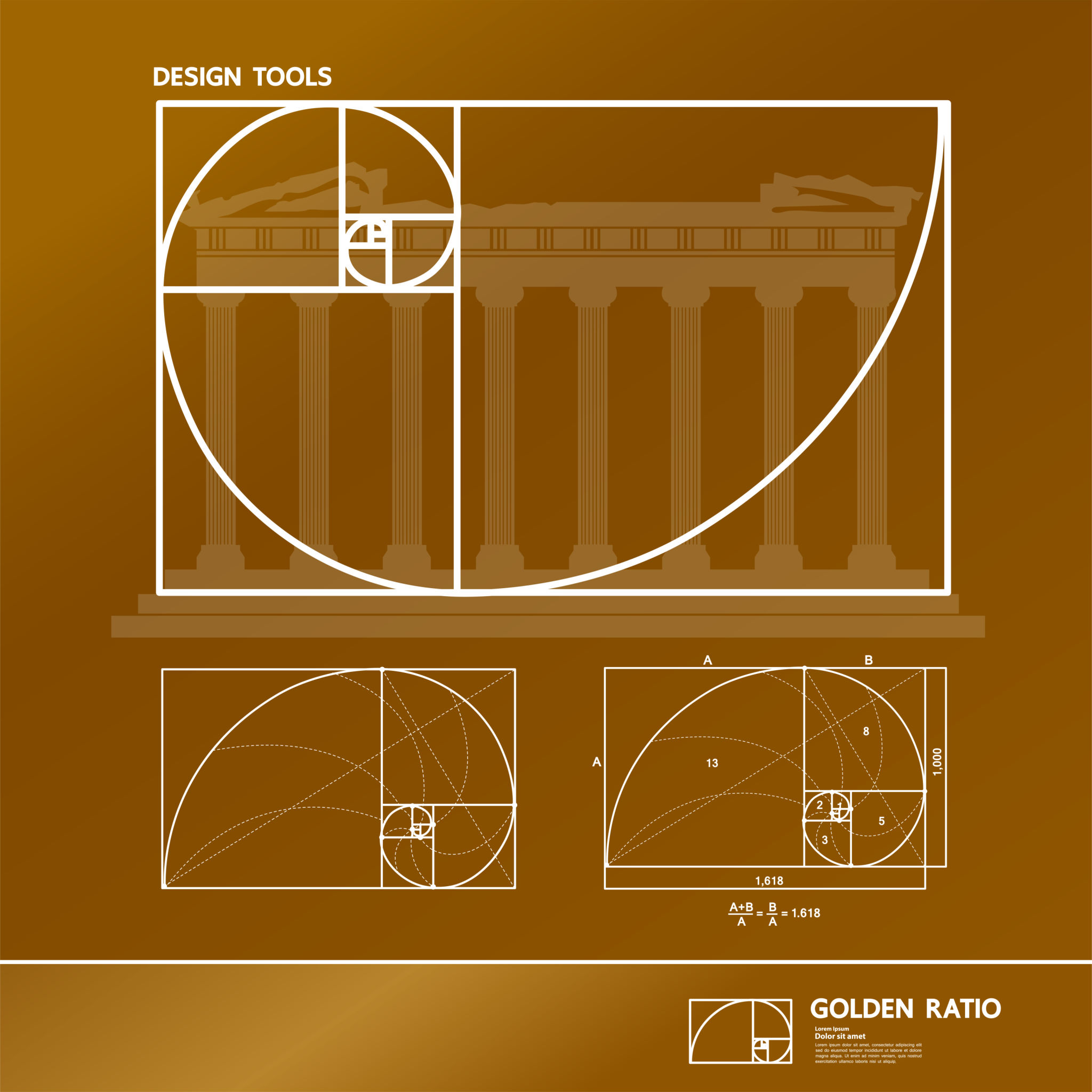
Ancient Greek architecture elevated sacred geometry into a philosophy of beauty and reason. Temples such as the Parthenon were constructed using precise ratios that created visual harmony and balance.
Greek architects employed:
The golden ratio in façade proportions
Subtle curvature (entasis) to counter optical illusion
Mathematical relationships between column spacing, height, and width
To the Greeks, beauty was a reflection of truth. A mathematically harmonious temple was believed to elevate the soul, aligning human perception with universal order.
Hindu Temples: Geometry as Cosmic Blueprint

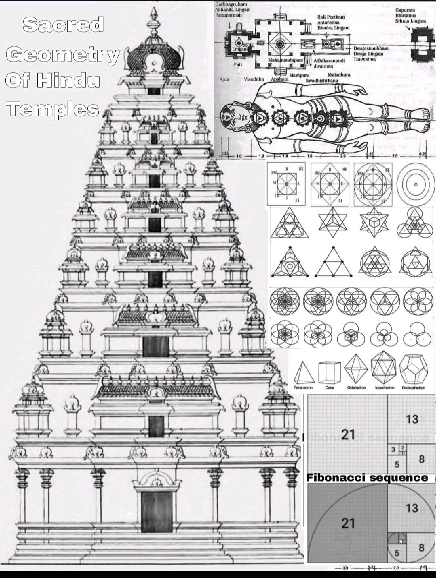
Hindu temple architecture is among the most explicitly geometric in the ancient world. At its core lies the Vastu Purusha Mandala—a sacred square grid representing the cosmos and the divine presence within it.
Key principles include:
A central point (bindu) symbolizing the origin of creation
Symmetrical grids governing layout and orientation
Vertical alignment symbolizing the ascent from material to spiritual
Every element of a Hindu temple, from the foundation to the spire (shikhara), is designed to guide worshippers inward—physically and spiritually—toward cosmic unity.
Gothic Cathedrals: Geometry in Light and Stone
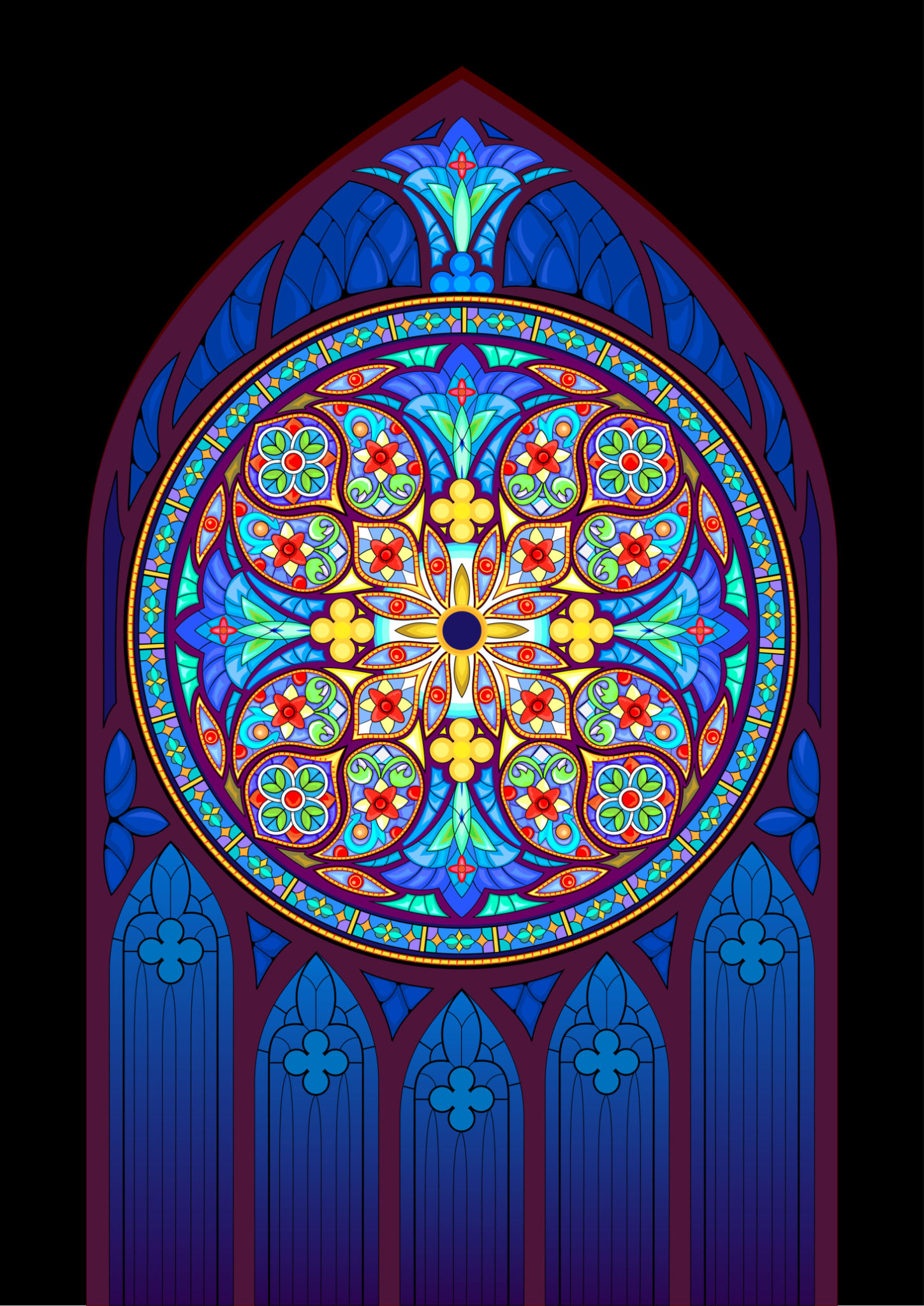
During the medieval period, sacred geometry re-emerged in the great Gothic cathedrals of Europe. Structures such as Chartres Cathedral and Notre Dame incorporated complex geometric schemes into their floor plans, elevations, and stained glass.
Distinctive features include:
Cruciform layouts based on geometric ratios
Rose windows built on circular symmetry
Vertical proportions emphasizing transcendence
Light used as a symbolic manifestation of the divine
For medieval builders, geometry was a form of prayer—a means of expressing God’s perfection through number and proportion.
Cosmic Symbolism and Spiritual Function

Across cultures, sacred geometry served a shared purpose: to transform architecture into a spiritual interface. Temples were designed to resonate with cosmic rhythms, drawing divine energy into the human realm.
By replicating celestial order on Earth, ancient societies believed they could:
Maintain harmony between nature and civilization
Legitimize religious and political authority
Create environments conducive to spiritual awakening
Sacred buildings were not passive structures—they were active participants in religious life.
Enduring Influence of Sacred Geometry
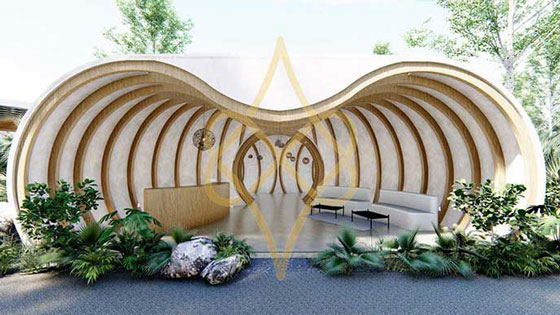
Even in the modern world, sacred geometry continues to influence architecture, art, and spiritual practice. From contemporary sacred spaces to holistic design and meditation practices, these ancient principles persist.
Their survival suggests something profound: geometry speaks to a universal human intuition—one that recognizes order, beauty, and meaning in mathematical form.
Conclusion: Mathematics as the Bridge Between Worlds
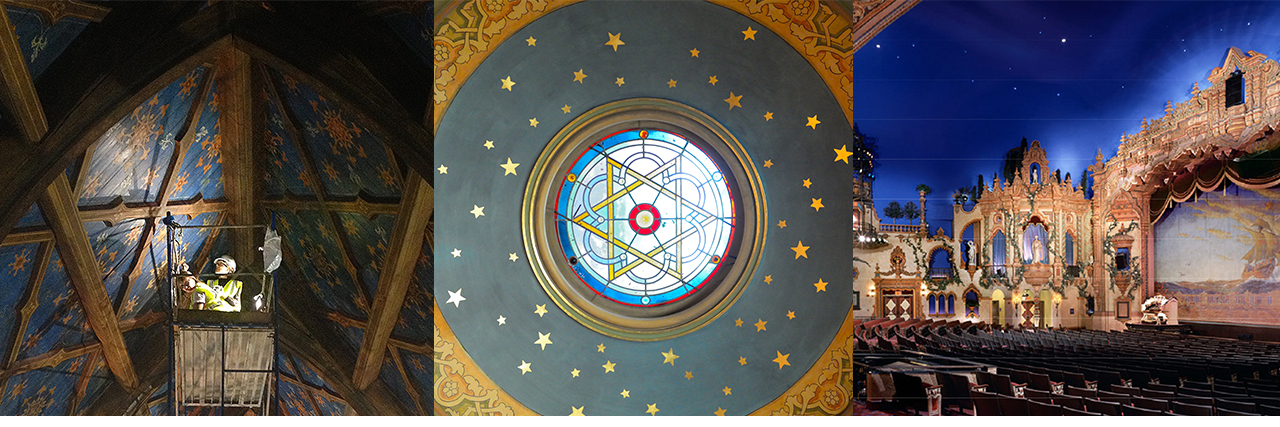
The sacred geometry of ancient temples reveals how deeply early civilizations understood the relationship between mathematics, nature, and spirituality. By embedding cosmic order into stone, they created spaces that transcended time, culture, and belief.
These structures stand as reminders that long before modern science, humanity sought to understand the universe—not only through observation, but through sacred design. In their geometry, we find a timeless dialogue between the human mind and the cosmos.
Sources & References
Encyclopaedia Britannica – Sacred Geometry
https://www.britannica.com/topic/sacred-geometryEncyclopaedia Britannica – Great Pyramid of Giza
https://www.britannica.com/topic/Great-Pyramid-of-GizaMarkowsky, G. – Misconceptions About the Golden Ratio
Mathematical Association of AmericaUNESCO World Heritage Centre – Parthenon and Acropolis
https://whc.unesco.orgKramrisch, S. – The Hindu Temple
Motilal BanarsidassBony, J. – French Gothic Architecture
University of California Press