• MAIN PAGE
  • LATEST NEWS
    • Lost Cities
    • Archaeology's Greatest Finds
    • Underwater Discoveries
    • Greatest Inventions
    • Studies
    • Blog
  • PHILOSOPHY
  • HISTORY
  • RELIGIONS
    • Africa
    • Anatolia
    • Arabian Peninsula
    • Balkan Region
    • China - East Asia
    • Europe
    • Eurasian Steppe
    • Levant
    • Mesopotamia
    • Oceania - SE Asia
    • Pre-Columbian Civilizations of America
    • Iranian Plateau - Central Asia
    • Indus Valley - South Asia
    • Japan
    • The Archaeologist Editor Group
    • Scientific Studies
    • Aegean Prehistory
    • Historical Period
    • Byzantine Middle Ages
    • Predynastic Period
    • Dynastic Period
    • Greco-Roman Egypt
  • Rome
  • PALEONTOLOGY
  • About us
Menu

The Archaeologist

  • MAIN PAGE
  • LATEST NEWS
  • DISCOVERIES
    • Lost Cities
    • Archaeology's Greatest Finds
    • Underwater Discoveries
    • Greatest Inventions
    • Studies
    • Blog
  • PHILOSOPHY
  • HISTORY
  • RELIGIONS
  • World Civilizations
    • Africa
    • Anatolia
    • Arabian Peninsula
    • Balkan Region
    • China - East Asia
    • Europe
    • Eurasian Steppe
    • Levant
    • Mesopotamia
    • Oceania - SE Asia
    • Pre-Columbian Civilizations of America
    • Iranian Plateau - Central Asia
    • Indus Valley - South Asia
    • Japan
    • The Archaeologist Editor Group
    • Scientific Studies
  • GREECE
    • Aegean Prehistory
    • Historical Period
    • Byzantine Middle Ages
  • Egypt
    • Predynastic Period
    • Dynastic Period
    • Greco-Roman Egypt
  • Rome
  • PALEONTOLOGY
  • About us

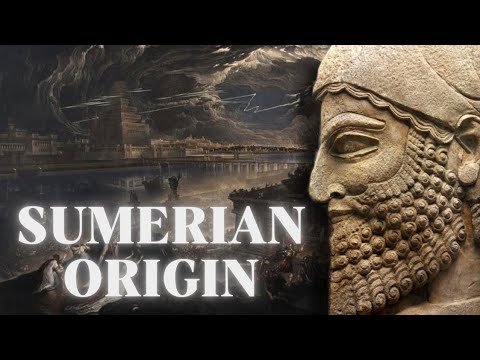
Sumerian Origin (the most MYSTERIOUS Civilization In History)

December 7, 2023

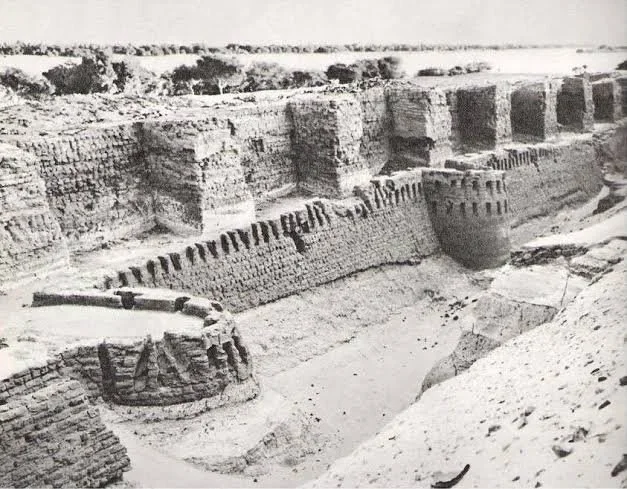
Sumer, located in southern Mesopotamia (now South Central Iraq), is the earliest known civilization, emerging between the 6th and 5th millennium BC. It is one of the cradles of civilization along with Egypt and the Indus Valley. Sumerian farmers grew an abundance of grain and other crops, which enabled them to form urban settlements. The Sumerians were the people of southern Mesopotamia whose civilization flourished between 4100 and 1750 BCE.

Sumer was never a cohesive political entity but a region of city-states, each with its own king. The country was the site of at least 12 separate city-states, each comprising a walled city and its surrounding villages and land, and each worshiping its own deity. The Sumerians essentially invented time by dividing day and night into 12-hour periods, hours into 60 minutes, and minutes into 60 seconds. They also left the world a number of technological and cultural contributions, including the first schools, the earliest version of the tale of the great flood and other biblical narratives, the oldest heroic epic, governmental bureaucracy, monumental architecture, and irrigation techniques. The Sumerian civilization laid the foundation for many aspects of human society from language and writing systems to complex urban centers.
← Mysterious Ancient Artifacts Uncovered in Unexplainable PlacesLocals Were Warned Against Entering A 400 Foot Well, But Explorers Pushed Ahead →
Featured
image_2026-01-22_233711244.png
Jan 22, 2026
The First Metalworkers Who Changed Human Evolution
Jan 22, 2026
Read More →
Jan 22, 2026
image_2026-01-22_233404777.png
Jan 22, 2026
Mystery Cults of the Ancient World
Jan 22, 2026
Read More →
Jan 22, 2026
image_2026-01-22_225510943.png
Jan 22, 2026
The Prehistoric Masters of Boat Building
Jan 22, 2026
Read More →
Jan 22, 2026
image_2026-01-22_222210433.png
Jan 22, 2026
Ancient Hidden Libraries Lost to Time
Jan 22, 2026
Read More →
Jan 22, 2026
image_2026-01-22_221848227.png
Jan 22, 2026
The Oldest Known Jewelry and What It Symbolized
Jan 22, 2026
Read More →
Jan 22, 2026
image_2026-01-22_221719691.png
Jan 22, 2026
Investigate structures built with unique sound properties, possibly for rituals or communication.
Jan 22, 2026
Read More →
Jan 22, 2026
read more

Powered by The archaeologist