
Introduction
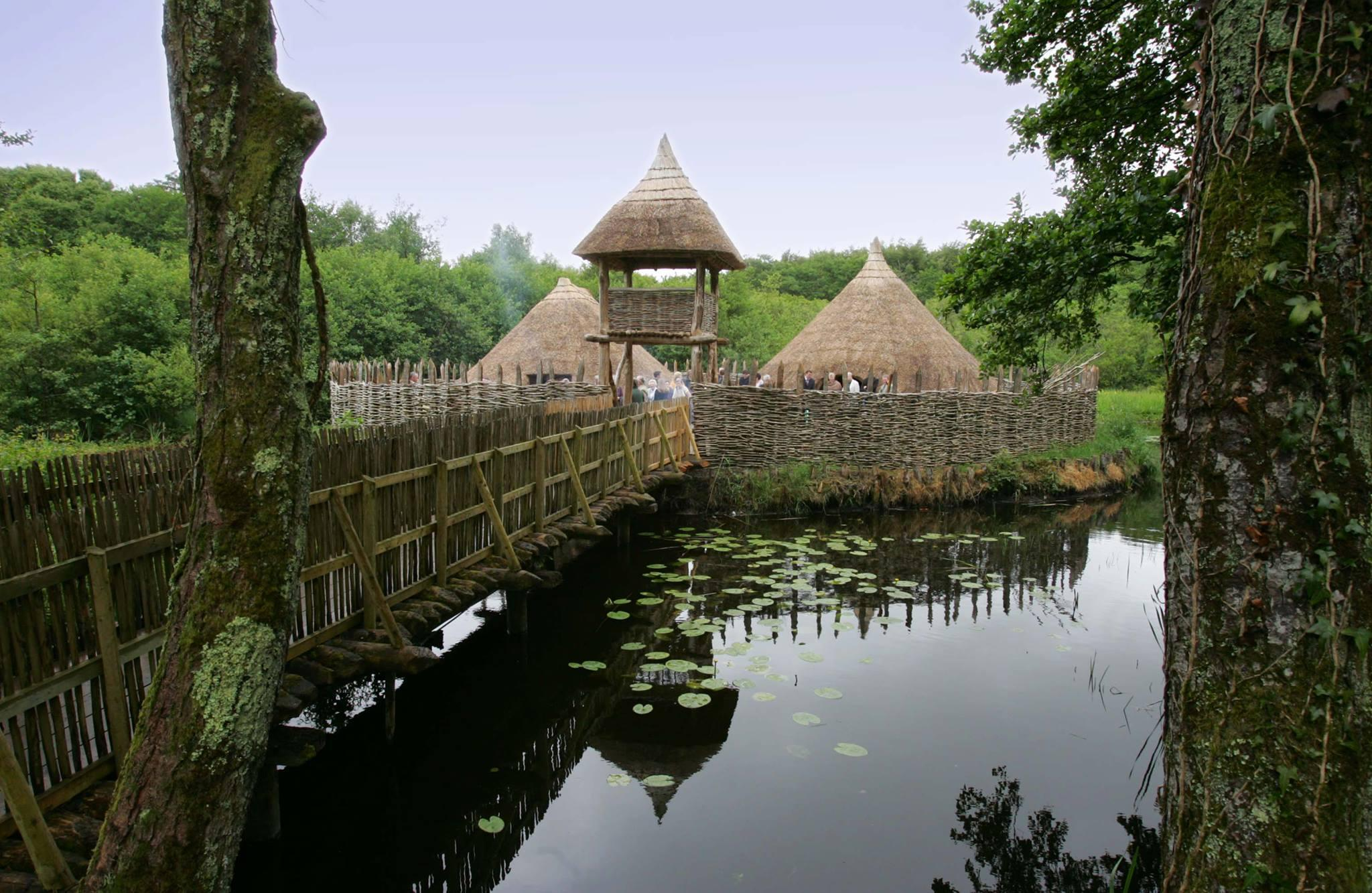
Crannogs are artificial or modified island settlements found in lakes and wetlands, particularly in Ireland and Scotland. They were constructed or expanded using timber, brushwood, stone, earth, and other materials.
Crannogs provided residential, defensive, economic, and sometimes socially distinctive spaces. Their wetland locations could also preserve organic archaeological materials that are rarely found in ordinary terrestrial sites.
The idea of gardens on crannogs raises important questions about food production, household organization, environmental adaptation, and the use of limited space.
Planting pits associated with artificial island settlements would be particularly interesting because they could reveal how residents cultivated plants in environments surrounded by water.
Crannog Construction and Settlement
Crannogs were often built using combinations of timber and stone.
Construction methods varied depending on local materials, water depth, sediment conditions, and settlement requirements.
Some structures were built on platforms supported by wooden piles, while others involved layers of brushwood, stone, and earth.
The island settlement could support houses, storage areas, workshops, livestock-related activities, and other domestic functions.
The construction process required labor, materials, and knowledge of wetland conditions.
Gardens and Cultivation
Gardening within or near a crannog could have provided residents with additional food resources.
Small cultivated areas might have been used for herbs, vegetables, medicinal plants, or other crops.
Because artificial islands often had limited surface area, residents may have used carefully organized planting spaces.
Potential planting features could include:
Small pits.
Raised soil beds.
Containers.
Organic-rich patches.
Areas of repeated soil disturbance.
Drainage features.
These features would need to be distinguished from structural postholes, refuse pits, storage features, and natural sediment disturbances.
Identifying Planting Pits
Planting pits may be difficult to recognize archaeologically because they can resemble other small excavated features.
Their interpretation could rely on soil composition, botanical remains, spatial arrangement, and repeated patterns.
Researchers may examine:
Seeds and plant remains.
Pollen.
Phytoliths.
Soil organic matter.
Nutrient concentrations.
Evidence of digging and refilling.
Relationship to household structures.
Repeated small pits containing plant remains or cultivation-related soil changes could suggest gardening activity.
Wetland Preservation
Wetland environments can preserve wood, seeds, fibers, and other organic materials.
However, preservation conditions may vary significantly across a crannog.
Changes in water level, oxygen exposure, drainage, and sediment disturbance can influence organic preservation.
The survival of plant remains may allow researchers to identify cultivated species and reconstruct the local environment.
Food Production and Household Organization
Gardening may have supplemented fishing, animal husbandry, gathering, and trade.
The availability of small cultivated spaces could have reduced dependence on external food sources or provided particular plants used for medicinal, culinary, or ritual purposes.
The presence of gardens would also reflect knowledge of soil management and the organization of household activities.
However, the size and productivity of gardens should not be estimated without direct evidence.
Conclusion
Crannog gardens offer an important research perspective on the relationship between wetland settlement and food production.
Planting pits, botanical remains, and soil analysis could reveal whether artificial island.





