
Digital Collectibles and the Preservation of Cycladic Art
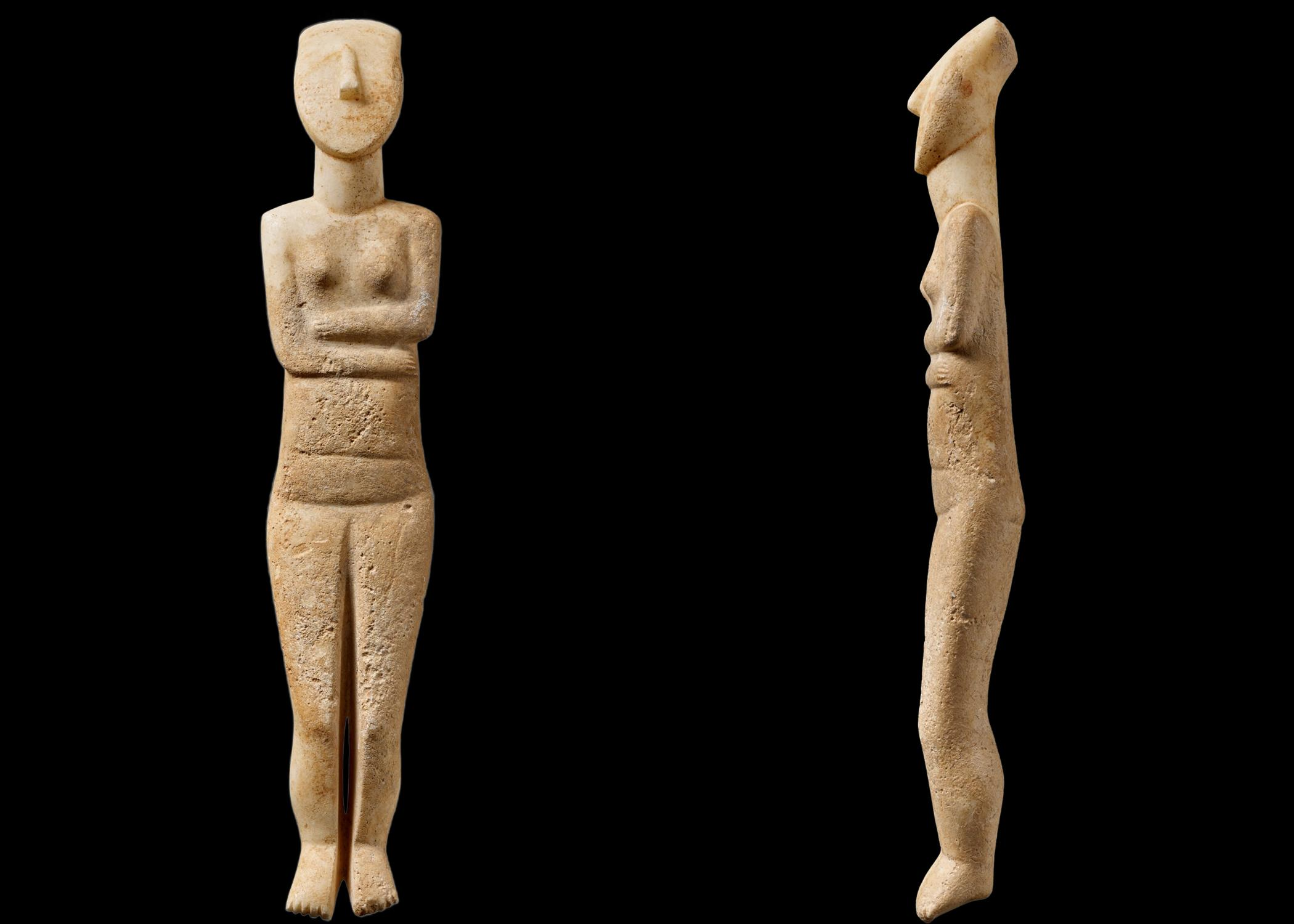
Cycladic figurines are among the most recognizable objects of prehistoric Aegean art. Their simplified forms, folded-arm poses, smooth surfaces, and carefully proportioned bodies have attracted archaeological, artistic, and cultural interest for generations.
The possibility of NFT-based scans of Cycladic figurines raises questions about digital heritage, object documentation, ownership, accessibility, and the commercialization of cultural materials.
The specific NFT scans described in the title are not verified as a particular collection or institutional project.
Cycladic Figurines and Archaeological Significance
Cycladic figurines were produced primarily during the Early Bronze Age, especially within the broader period of Cycladic civilization in the Aegean islands.
Although many figurines are associated with female forms, their exact functions remain debated. Interpretations have included ritual significance, funerary use, symbolic representation, social identity, and other possible roles.
Their archaeological meaning depends heavily on context. The location in which an object was found, its relationship to other materials, and its condition are essential to interpretation.
A figurine removed from its archaeological context may lose information that cannot be recovered through digital scanning.
Three-Dimensional Scanning of Figurines
Digital scanning and photogrammetry can produce detailed models of sculptural objects.
A scan could record:
Overall dimensions and proportions.
Surface contours.
Tool marks.
Breakage and missing sections.
Surface damage.
Existing restorations.
Variations in shape.
Digital models can support comparative study, museum interpretation, and documentation of fragile objects.
Researchers may compare scans of different figurines to examine stylistic similarities, manufacturing techniques, proportions, and variations within particular groups.
NFTs and Digital Ownership
NFTs, or non-fungible tokens, are digital tokens associated with unique records on blockchain networks. They have been used to represent digital artworks, collectibles, and other assets.
An NFT associated with a scan of a Cycladic figurine could refer to a particular digital model, image, or authorized edition.
However, ownership of an NFT does not automatically mean ownership of the original archaeological artifact. It also does not necessarily confer copyright, reproduction rights, or permission to use museum imagery.
The legal and ethical status of a digital object depends on the rights held by its creator, the institution, and any applicable cultural heritage regulations.
Ethical Issues in Digitizing Archaeological Art
The commercialization of digital representations of archaeological objects requires careful consideration.
Cycladic figurines are part of Greece's archaeological heritage and may be held in museums or collections subject to national and international legal frameworks.
Before creating or selling digital scans, institutions should consider:
Legal ownership and reproduction rights.
Cultural heritage regulations.
Provenance and authenticity.
Institutional permissions.
Community and cultural interests.
Commercial use of archaeological imagery.
Access to digital representations.
Digitization can support preservation and research, but it should not encourage the unauthorized reproduction or commercialization of archaeological material.
Digital Access and Museum Education
Digital models may allow audiences to examine figurines from different angles, zoom into details, and compare objects that are physically separated in different museums.
This is particularly useful for educational activities involving sculpture, prehistoric art, archaeological conservation, and cultural heritage.
A digital collection could provide free access to basic models for education while maintaining separate policies for commercial uses.
The most useful digital heritage projects are not necessarily those that turn archaeological objects into collectible assets. They are those that make information more accessible while respecting the history, legal status, and cultural significance of the original objects.
Conclusion
NFT-associated scans of Cycladic figurines represent a possible intersection between prehistoric art and digital economies. Three-dimensional scanning could improve documentation and access, but the NFT component introduces additional questions about ownership, copyright, commercialization, and heritage ethics. Digital technology should enhance the study and appreciation of Cycladic art rather than reduce archaeological objects to speculative commodities.





