• MAIN PAGE
  • LATEST NEWS
    • Lost Cities
    • Archaeology's Greatest Finds
    • Underwater Discoveries
    • Greatest Inventions
    • Studies
    • Blog
  • PHILOSOPHY
  • HISTORY
  • RELIGIONS
    • Africa
    • Anatolia
    • Arabian Peninsula
    • Balkan Region
    • China - East Asia
    • Europe
    • Eurasian Steppe
    • Levant
    • Mesopotamia
    • Oceania - SE Asia
    • Pre-Columbian Civilizations of America
    • Iranian Plateau - Central Asia
    • Indus Valley - South Asia
    • Japan
    • The Archaeologist Editor Group
    • Scientific Studies
    • Aegean Prehistory
    • Historical Period
    • Byzantine Middle Ages
    • Predynastic Period
    • Dynastic Period
    • Greco-Roman Egypt
  • Rome
  • PALEONTOLOGY
  • About us
Menu

The Archaeologist

  • MAIN PAGE
  • LATEST NEWS
  • DISCOVERIES
    • Lost Cities
    • Archaeology's Greatest Finds
    • Underwater Discoveries
    • Greatest Inventions
    • Studies
    • Blog
  • PHILOSOPHY
  • HISTORY
  • RELIGIONS
  • World Civilizations
    • Africa
    • Anatolia
    • Arabian Peninsula
    • Balkan Region
    • China - East Asia
    • Europe
    • Eurasian Steppe
    • Levant
    • Mesopotamia
    • Oceania - SE Asia
    • Pre-Columbian Civilizations of America
    • Iranian Plateau - Central Asia
    • Indus Valley - South Asia
    • Japan
    • The Archaeologist Editor Group
    • Scientific Studies
  • GREECE
    • Aegean Prehistory
    • Historical Period
    • Byzantine Middle Ages
  • Egypt
    • Predynastic Period
    • Dynastic Period
    • Greco-Roman Egypt
  • Rome
  • PALEONTOLOGY
  • About us

How Tartaria’s Sculptors Made Stone Look Like Fabric — A Technique We Lost

February 20, 2026

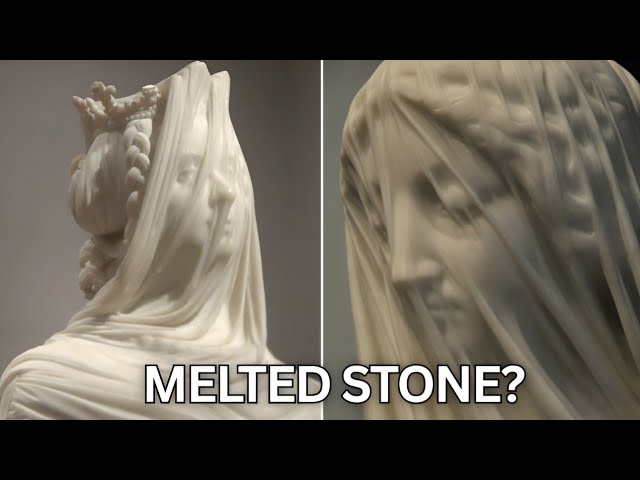
Veils in Stone: The Secrets of 18th-Century Marble Sculpting

How did sculptors in the 1700s transform solid marble into forms that look and behave like soft, flowing fabric? It’s a question that has fascinated historians, artists, and craftsmen for centuries.

While researching historic marble techniques, we came across a series of sculptures with veil-like surfaces—astonishingly thin, exquisitely detailed, and almost impossible to replicate using conventional carving methods. These masterpieces reveal a level of skill and subtlety that modern sculptors struggle to achieve.

In this documentary investigation, we dig deep into archival photographs, restoration reports, and historical records to uncover how these works were made. We explore traditional workshop practices, the limitations of materials, and the training systems that allowed sculptors to develop such extraordinary precision. Many methods were never fully written down, and some skills were passed orally from master to apprentice—only to disappear as craft traditions declined.

By comparing sculpture, architecture, and modern restoration projects, this documentary highlights not only what made these techniques possible, but also why they became so rare. It’s a careful journey through history, following the evidence, pointing out gaps in the record, and trying to answer questions that have puzzled art historians for centuries.

🎥 Watch the full episode below to uncover the secrets behind these astonishing veiled sculptures and learn why 18th-century marble techniques still captivate the world:

← The DARK SECRET Of Neanderthal-Homo Sapiens Interbreeding 3 Dinosaur Fossils That Preserve Internal Organs →
Featured
image_2026-04-04_164502650.png
Apr 4, 2026
Ancient Technologies We Still Don’t Understand
Apr 4, 2026
Read More →
Apr 4, 2026
image_2026-04-04_164006806.png
Apr 4, 2026
Mysteries of the Ancient Sea Peoples
Apr 4, 2026
Read More →
Apr 4, 2026
image_2026-04-04_163930013.png
Apr 4, 2026
The Ancient Origins of Storytelling
Apr 4, 2026
Read More →
Apr 4, 2026
image_2026-04-04_163848702.png
Apr 4, 2026
The First Laws That Governed Humanity
Apr 4, 2026
Read More →
Apr 4, 2026
image_2026-04-04_163806866.png
Apr 4, 2026
Ancient Underground Worlds
Apr 4, 2026
Read More →
Apr 4, 2026
image_2026-04-04_163502310.png
Apr 4, 2026
The Oldest Known Board Games
Apr 4, 2026
Read More →
Apr 4, 2026
read more

Powered by The archaeologist