Did Humans and Neanderthals Produce “Mules”?
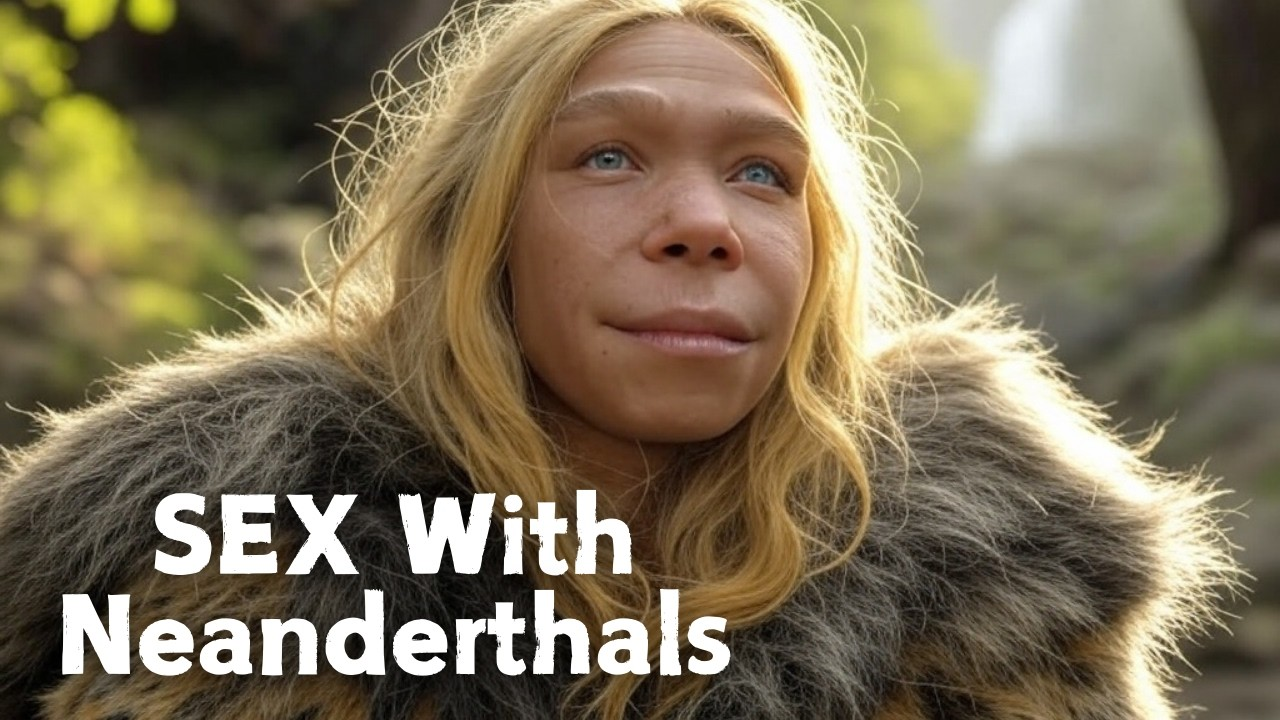
Some researchers have suggested that interbreeding between Homo sapiens and Neanderthals may have been so frequent that pure Neanderthals gradually disappeared. This raises a fascinating question: Could some of these inter-species unions have produced hybrid humans—similar to how mules are born from horse-donkey pairings?
It’s well known in biology that hybrid offspring between species can sometimes produce infertile males, as in the classic example of mules. This naturally leads to speculation about whether such genetic dynamics occurred between our species and Neanderthals.
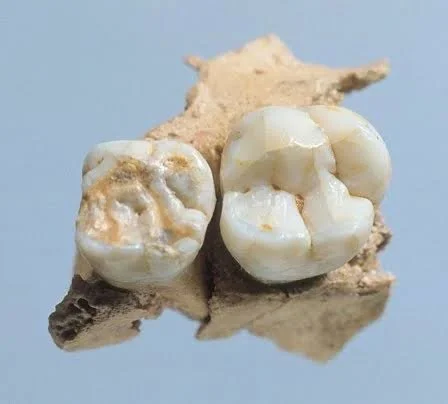
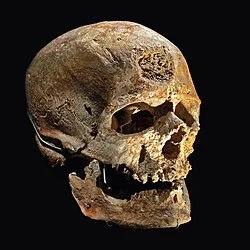
Homo sapiens is the sole surviving human species from the last Ice Age, a time when multiple hominins walked the Earth. Among them were Homo neanderthalensis—often considered a separate species—or, by some arguments, a subspecies: Homo sapiens neanderthalensis. Interbreeding between these groups left traces in modern human DNA, showing that while some genes persisted, the full Neanderthal genome did not survive intact.
This story is about more than genetics—it’s about survival, adaptation, and the complex history of our species. By studying ancient DNA and fossil evidence, scientists are slowly piecing together how these interactions shaped the humans we are today.
🎥 Watch the full episode below to explore human-Neanderthal interbreeding, hybridization theories, and what modern science tells us about our Ice Age cousins: