Introduction
The Kei Islands, situated in the southeastern Moluccas (Maluku) of Indonesia, occupy a pivotal geographical position at the boundary between Wallacea and the Near Oceania world. Long studied as a vital link in ancient maritime exchange networks, the archipelago has gained significant archaeological prominence through discoveries connecting it to the expansion of the Lapita Cultural Complex (~3,300–2,800 BP).
As seafaring Austronesian-speaking populations migrated eastward from East Asia and Insular Southeast Asia into the Remote Pacific, the Kei Islands served as a key staging ground and trade node where distinct ceramic traditions and seafaring technologies intersected.
Ceramic Analysis and Trans-Oceanic Connections
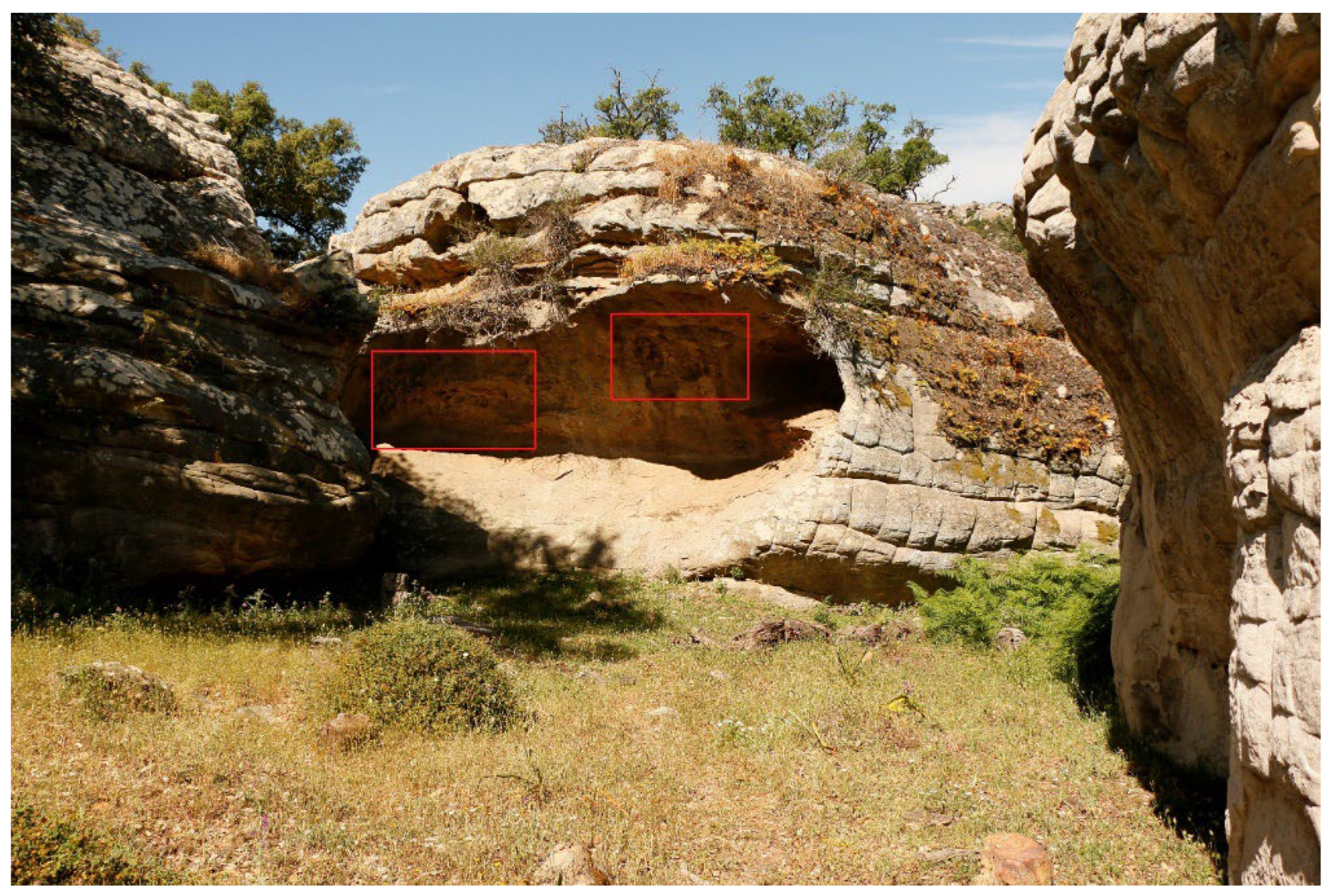
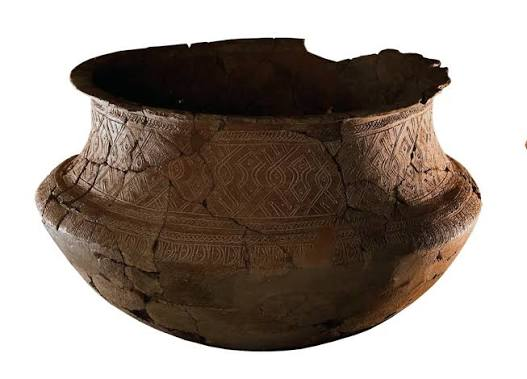
Excavations in coastal caves and rockshelters across Kei Kecil and Kei Besar have revealed rich stratigraphic layers containing low-fired, earthenware pottery fragments dating to the mid-to-late 2nd millennium BCE. Microscopic temper analysis and Petrographic Thin-Sectioning demonstrate that many of these ceramic sherds share direct stylistic and mineralogical affinities with classic Lapita ware:
Dentate Stamping: Intricate geometric motifs impressed into wet clay using finely comb-like, tooth-edged stamps.
Red-Slipped Finishing: Application of an iron-rich clay slip prior to firing, yielding a distinct reddish-orange surface coat.
Volcanic & Coral Tempering: Local clay mixtures combined with crushed calcareous sand and marine shell fragments.
Alongside these diagnostic ceramics, archaeologists have recovered shell adzes fashioned from Tridacna gigas (giant clam) and Cassis cornuta (horned helmet shell), as well as polished stone axes and obsidian flakes traced to regional volcanic sources. The presence of Lapita-linked material culture in the Kei Islands confirms that the islanders were not isolated observers, but active participants in the expansive maritime trade networks that powered one of the greatest seafaring expansions in human history.
Conclusion
The archaeological record of the Kei Islands bridges the deep-time traditions of Wallacea with the rapid maritime dispersal of the Lapita tradition. By documenting early ceramic manufacturing and trans-oceanic trade in the southeastern Moluccas, researchers have solidified Kei's role as a crucial cultural crossroads—a springboard from which ancient mariners navigated outward to settle the distant islands of the Pacific.