The tomb of King Thutmose II has been recognized as one of the world’s top ten archaeological discoveries of 2025 by the American magazine Archaeology.
The Ministry of Tourism and Antiquities first announced the find in February. It marks the first discovery of a royal tomb from Egypt’s 18th Dynasty since the uncovering of King Tutankhamun’s tomb in 1922.
Mohamed Ismail Khaled, Secretary-General of the Supreme Council of Antiquities, said the recognition highlights the global importance of Egypt’s archaeological heritage and reinforces the country’s leading role in archaeology. He added that the discovery reflects the close collaboration and sustained efforts of Egyptian and international missions, resulting in major findings that have reshaped understanding of ancient Egyptian history.
A Major Archaeological Find
The tomb was uncovered by a joint Egyptian-British mission from the Supreme Council of Antiquities and the New Kingdom Research Foundation during excavations in the Theban Mountains west of Luxor.
At first, archaeologists believed the tomb might belong to the wife of one of the Thutmose kings, due to its location near the burial places of Thutmose III’s wives and close to Queen Hatshepsut’s tomb, which had originally been prepared for her before she became pharaoh.
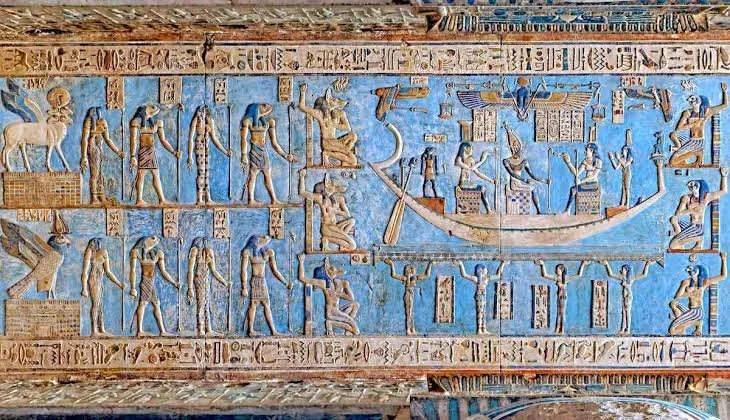
Further excavation, however, revealed clear evidence identifying the tomb as that of King Thutmose II. Among the finds were fragments of mortar decorated with blue and yellow star motifs, along with inscriptions and scenes from the Book of Amduat.
The tomb’s relatively simple architectural layout later influenced the design of several royal tombs built during the Eighteenth Dynasty after Thutmose II’s reign.