Introduction
Located within the Ivane Valley of Papua New Guinea's Central Highlands, the sacred site of Kosipe (specifically the open-air site adjacent to the Kosipe Catholic Mission) holds an iconic position in Pacific prehistory. First excavated by Father Vincent Danihel in the 1960s and re-investigated by modern teams led by Dr. Summer Hayne and Professor Glenn Summerhayes, Kosipe contains a rich, stratified sequence of volcanic ash (tephra) layers preserving human occupation and stone tool technology extending from 48,000 years ago through the Holocene.
Lithic Morphology and Tephrochronology
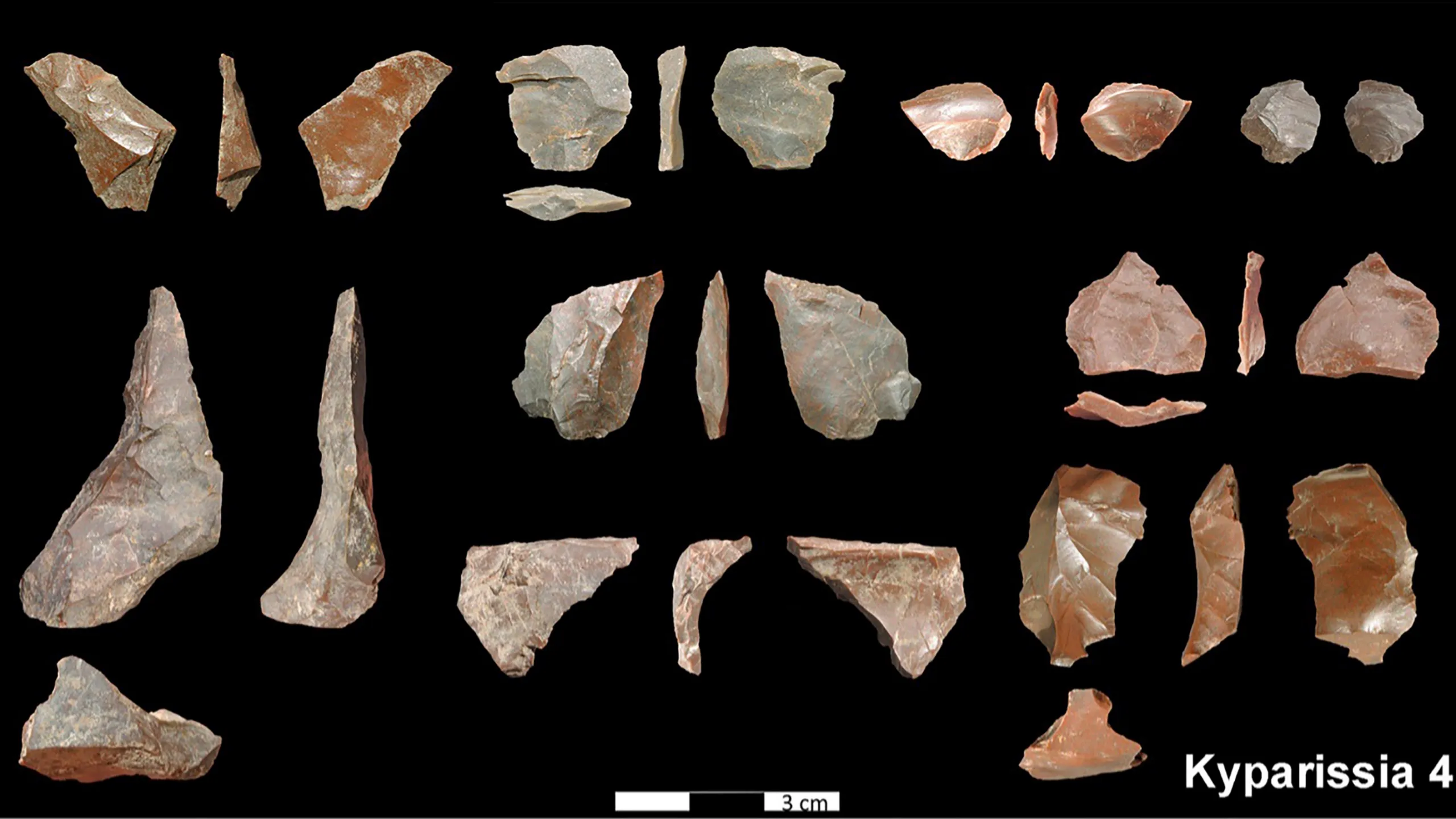
The standout technological achievement preserved at Kosipe is its assemblage of waisted stone blades and axes. These tools represent some of the oldest hafted ground and flaked stone implements found anywhere in the world.
These heavy hafted tools were primary instruments of environmental modification. Rather than hunting weapons, they served as heavy-duty forestry tools used for clearance of mountain forest canopy, ring-barking trees to open up patches for edible plants, and chopping open tough Pandanus fruit clusters.
Conclusion
Kosipe's 48,000-year-old stone tool assemblage offers a clear window into the early development of heavy edge-tool technology. The waisted axes of Kosipe prove that early Papuan populations were active managers of their landscapes, creating specialized hafted tools to modify tropical mountain forests long before the dawn of agriculture.