Introduction
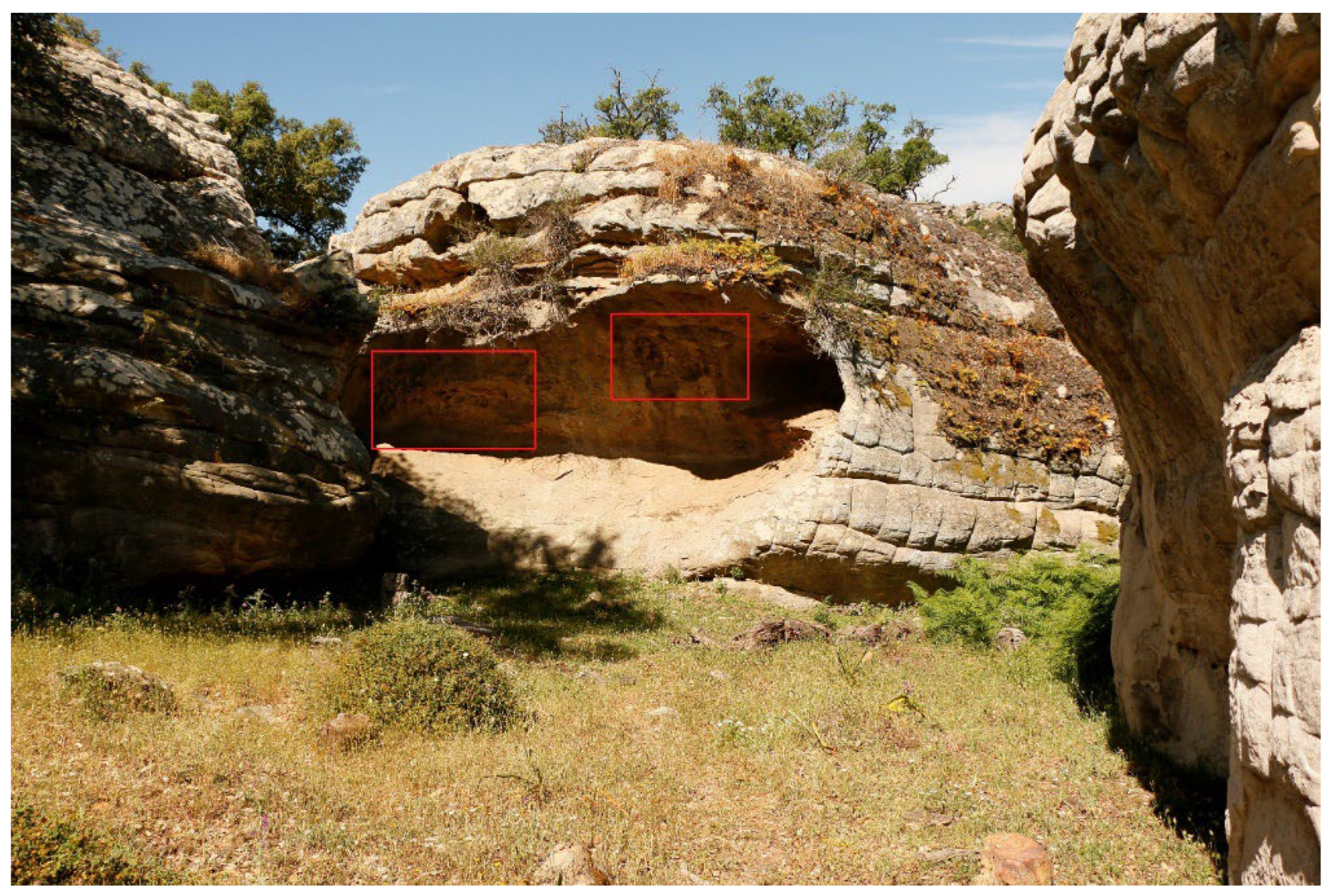
In the karst limestone landscapes of Thanh Hóa Province, northern Vietnam, Lách-Báu (and associated cave and burial complexes throughout the Mã and Red River basins) has yielded crucial archaeological evidence documenting the emergence of the Bronze Age Đông Sơn Culture (~1,000 BCE – 100 CE).
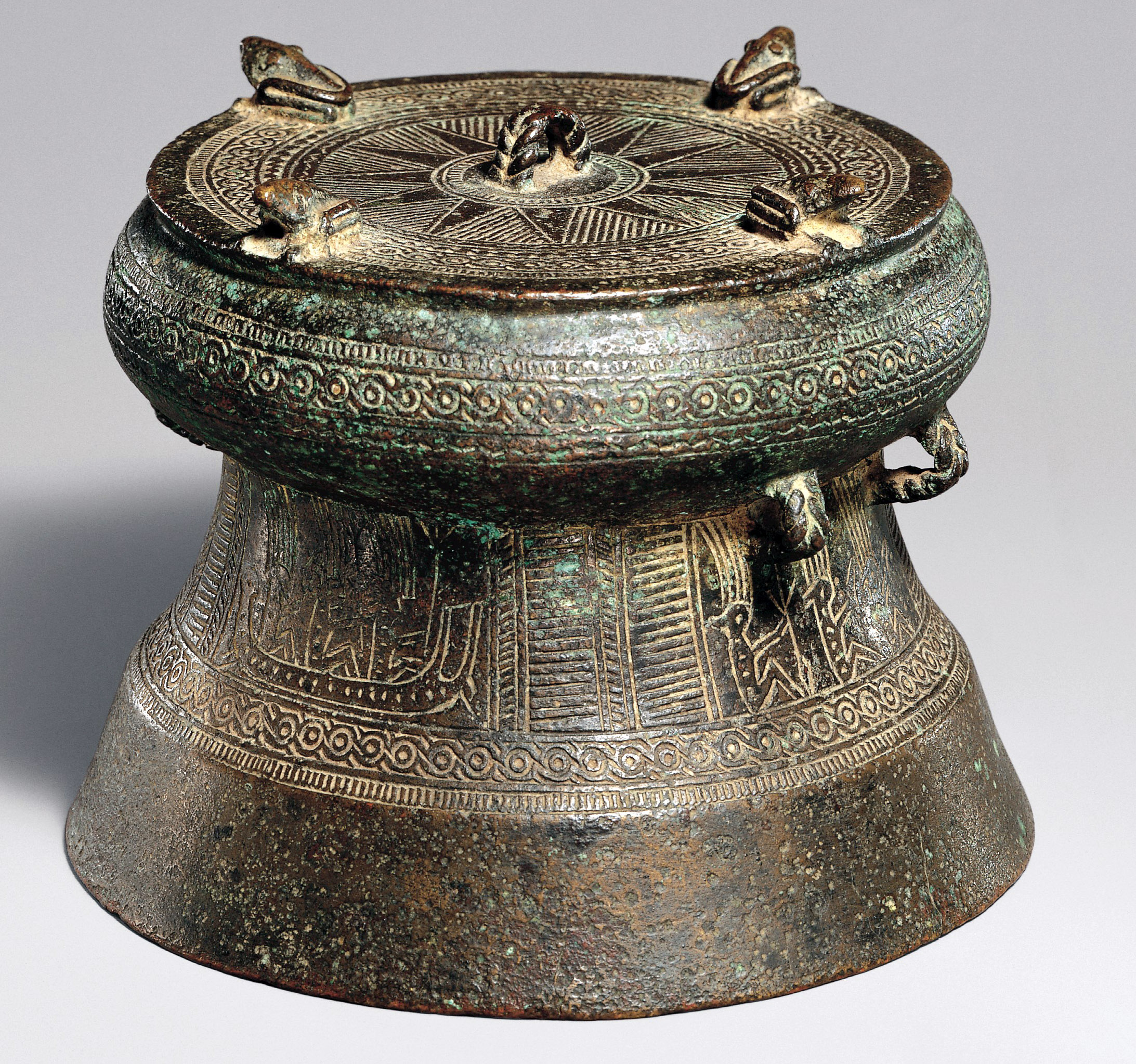
Famous above all for their magnificent, large-scale bronze drums (Heger Type I drums), the Đông Sơn culture represented the pinnacle of Southeast Asian metallurgy. The stratified cave deposits and elite burials at Lách-Báu track the technological evolution from early copper-working traditions (~4,000 BP) to the fully realized, master-cast bronze drums that served as symbols of political authority, military power, and ritual life across ancient Vietnam.
Bronze Casting Mastery and Symbolic Iconography
The bronze drums recovered from Lách-Báu and regional Đông Sơn centers were manufactured using a sophisticated piece-mould and lost-wax (cire perdue) casting technique. Master founders poured molten bronze—an alloy composed of copper, tin, and a high proportion of lead (which lowered the melting point and improved the fluid flow into fine decorative grooves)—into complex multi-part ceramic moulds.
The decorative iconography carved onto the tympanum (flat drum top) and mantle (drum body) offers an unmatched visual record of Bronze Age Vietnamese society:
Sunburst Core: A prominent 12- to 14-rayed star at the center of the tympanum, symbolizing solar worship and agricultural seasonal calendars.
Feathered Warriors & Processions: Rows of soldiers wearing elaborate bird-feather headdresses, wielding daggers (găm), spears, and axes, marching alongside ceremonial dancers and musicians playing mouth-organs (khèn).
Maritime Pirogues: Long, riverine war canoes packed with armed warriors, water birds, and long-beaked egrets, emphasizing the centrality of riverine navigation in the monsoon delta environment.
Plastic Sculptures: Three-dimensional bronze frogs cast along the outer rim of the tympanum, serving as sympathetic magic symbols to invoke rain for wet-rice cultivation.
Conclusion
The bronze drums of Lách-Báu and the Đông Sơn culture represent a supreme achievement in ancient metallurgy and visual art. As symbols of rank, spiritual power, and communal identity, these drums laid the cultural foundations of early Vietnamese statecraft, leaving a legacy that resonated across Southeast Asia for millennia.