
Introduction
Urban archaeological sites often contain large collections of animal remains that help reconstruct food consumption, trade, waste management, and environmental conditions.
Although large animal bones are frequently studied, microfaunal assemblages can provide equally important information. Small fish, rodents, birds, amphibians, mollusks, and other organisms may reveal food habits, market activity, urban ecology, and the movement of goods.
The term "POIs" in this title may refer to points of interest or specific urban archaeological locations. The interpretation of microfaunal remains depends on the precise context in which they were recovered.
Microfauna and Archaeological Research
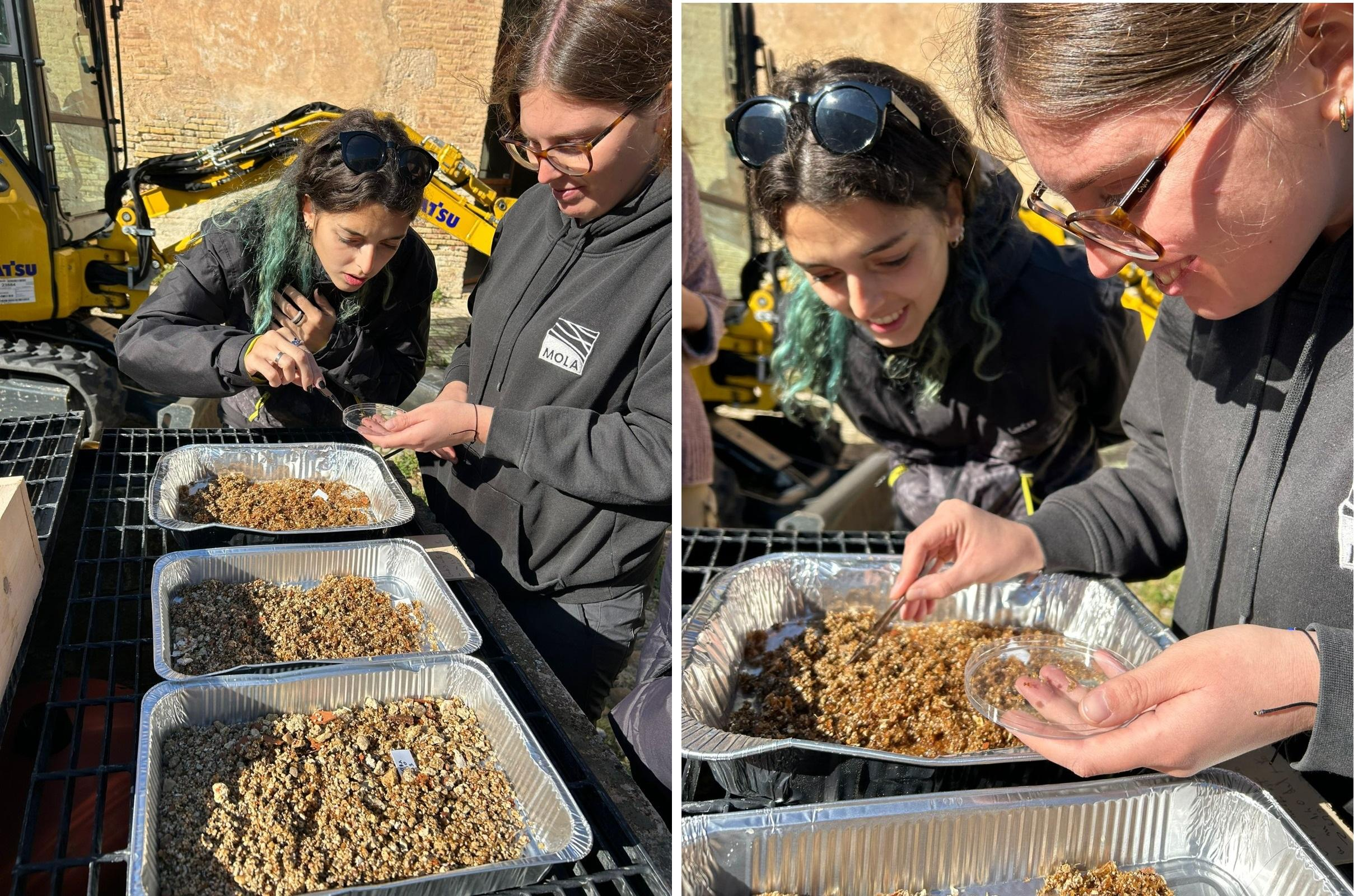
Microfauna include small animal remains that are often recovered through fine screening or sediment processing.
They may include:
Small fish bones.
Rodent bones.
Bird remains.
Mollusk shells.
Amphibian remains.
Small mammal teeth.
Invertebrate remains.
These materials can be overlooked during excavation if researchers use coarse screening methods.
Fine recovery techniques allow archaeologists to identify remains that might otherwise disappear from the archaeological record.
Food Trade and Consumption
Microfaunal assemblages can reveal the variety of food resources available to urban populations.
Small fish and shellfish may have been consumed by households that could not afford larger animals. They may also have been sold as preserved, dried, salted, or fresh food products.
The presence of particular species may help identify:
Local fishing activities.
Regional trade.
Seasonal food consumption.
Dietary differences between households.
Market access.
Changes in food availability.
However, animal remains may also originate from natural deposits, household waste, pets, pests, or environmental accumulation.
Urban Points of Interest and Contextual Analysis
The distribution of microfauna across urban locations may help reconstruct the organization of food trade.
Researchers could compare remains from:
Market areas.
Residential buildings.
Kitchens.
Workshops.
Harbor districts.
Religious institutions.
Waste disposal areas.
The concentration of certain species in a commercial area may indicate food processing or selling activity, but the interpretation must be supported by additional evidence.
Zooarchaeological Methods
Microfaunal research requires careful identification and quantitative analysis.
Methods may include:
Taxonomic identification.
Minimum number of individuals.
Bone measurements.
Age assessment.
Species distribution analysis.
Taphonomic study.
Comparison of anatomical elements.
Stable isotope analysis where suitable.
Evidence of cut marks, burning, breakage, and digestion can help distinguish food remains from other deposits.
Trade and Urban Ecology
Microfaunal remains may also reflect the relationship between cities and their environments.
Urban settlements often create ecological conditions that support rodents, scavenging birds, and other animals.
Changes in microfaunal assemblages may reflect sanitation, food storage, waste disposal, urban expansion, and environmental transformation.
The archaeological record can therefore reveal both human food systems and the ecological consequences of urban life.
Conclusion
Microfaunal assemblages are valuable for reconstructing urban food trade and daily life.
Their study can reveal small-scale economic activities, dietary diversity, ecological changes, and the movement of food products.
Fine excavation methods and strong contextual analysis are essential to distinguish genuine commercial evidence from natural or unrelated deposits.





