
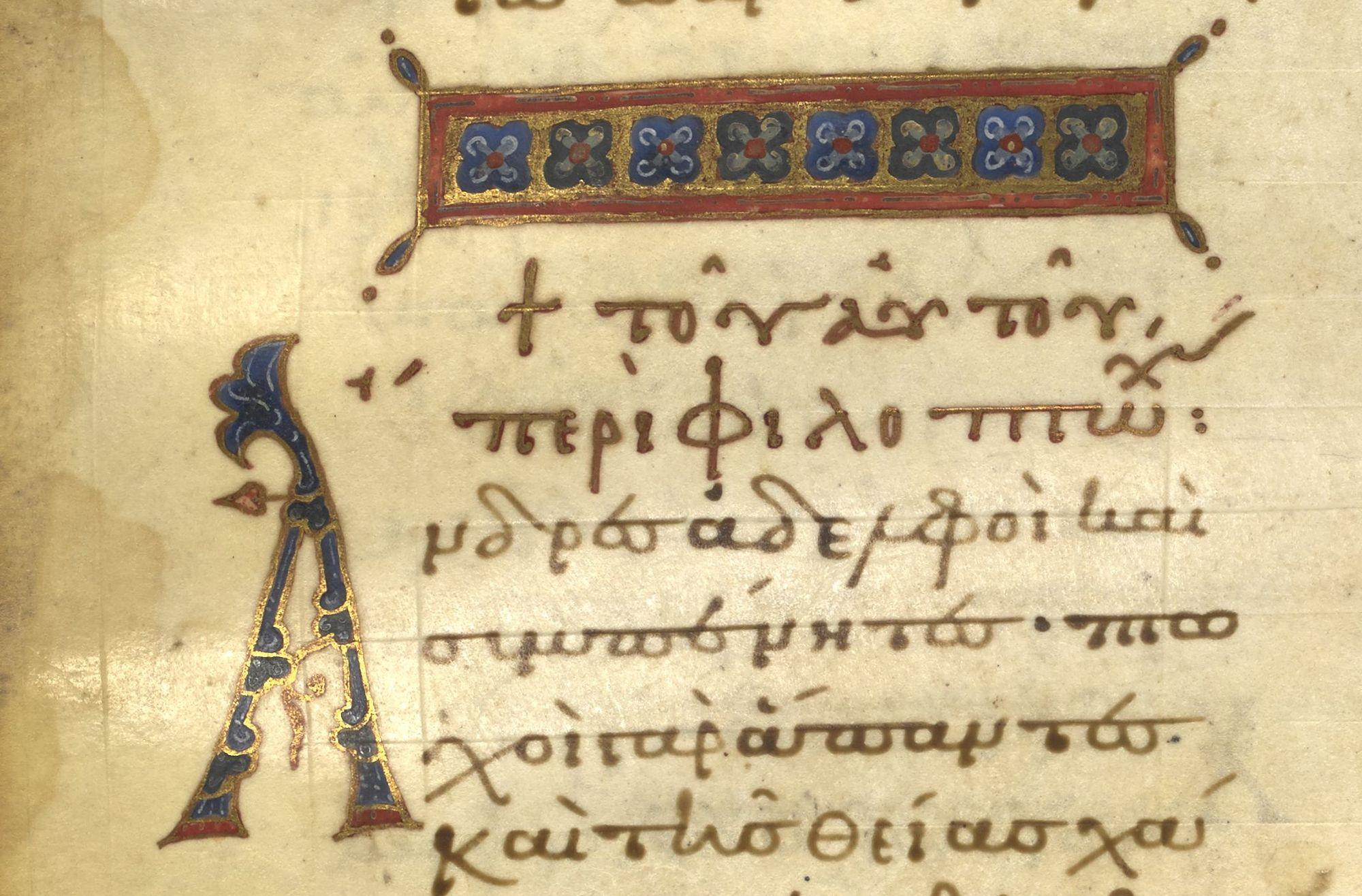
Digital Preservation of Medieval Greek Manuscripts
Crete possesses a rich history shaped by Byzantine, Venetian, Ottoman, and modern cultural influences. Medieval manuscripts and documents provide important evidence for religious practice, administration, education, literature, and intellectual life.
Digital archives of Byzantine scripts represent an important development in the preservation and accessibility of written heritage. The specific archive referenced in this title is not verified, but digital manuscript collections are established tools used by libraries, monasteries, universities, and cultural institutions.
Byzantine Writing and Manuscript Traditions
Byzantine manuscripts were produced in a variety of scripts, including forms of Greek majuscule and minuscule handwriting. The appearance of a manuscript could reflect its date, intended use, writing materials, regional traditions, and the training of its scribe.
Manuscripts could contain:
Biblical texts.
Liturgical books.
Theological writings.
Historical chronicles.
Scientific and medical works.
Legal documents.
Letters and administrative records.
The study of handwriting, known as paleography, helps scholars examine the form, development, and characteristics of historical scripts.
Digitization and Manuscript Recording
Digital preservation typically begins with high-resolution imaging. Manuscripts are photographed under carefully controlled lighting to capture details of ink, parchment, paper, decorations, and marginal notes.
Digital collections may include metadata such as:
Manuscript title or description.
Repository and collection.
Approximate date.
Language.
Material.
Dimensions.
Number of folios.
Provenance.
Historical catalog references.
Such records help researchers locate and compare manuscripts.
Studying Scripts Through Digital Tools
Digital images make it possible to examine manuscripts without handling fragile originals. Researchers can zoom into individual letters, compare handwriting across documents, and study changes in spelling, abbreviations, and scribal conventions.
Image-processing tools may help improve the visibility of faded ink, damaged text, or writing beneath later alterations. Multispectral imaging, when available, can reveal features not easily visible under ordinary lighting.
Digital comparison can also support the study of scribal hands. Scholars may investigate whether two manuscripts were written by the same person or produced within the same workshop, although such conclusions require careful expert judgment.
Crete and Manuscript Cultural History
Crete's historical position as a cultural crossroads makes manuscript research especially valuable. Documents produced or preserved on the island may reflect changing political authorities, religious institutions, linguistic practices, and cultural interactions.
Digital archives could bring together manuscripts scattered among monasteries, museums, libraries, and private collections. They could also help preserve records threatened by deterioration, environmental conditions, or limited access.
Challenges of Digital Archiving
Digitization does not eliminate the need for manuscript conservation. The original objects may still require stabilization, repair, storage improvements, and environmental monitoring.
Digital archives also face technological challenges, including file preservation, metadata consistency, copyright, access permissions, and the long-term maintenance of databases.
Images alone are not enough. Reliable catalog descriptions, scholarly transcription, translation, and contextual information are necessary to make digital collections meaningful.
Conclusion
Digital archives of Byzantine scripts in Crete could support manuscript preservation, paleographic research, and wider access to medieval Greek textual heritage. Their value lies in combining high-quality imaging with accurate cataloging, scholarly.





