
• MAIN PAGE
  • LATEST NEWS
    • Lost Cities
    • Archaeology's Greatest Finds
    • Underwater Discoveries
    • Greatest Inventions
    • Studies
    • Blog
  • PHILOSOPHY
  • HISTORY
  • RELIGIONS
    • Africa
    • Anatolia
    • Arabian Peninsula
    • Balkan Region
    • China - East Asia
    • Europe
    • Eurasian Steppe
    • Levant
    • Mesopotamia
    • Oceania - SE Asia
    • Pre-Columbian Civilizations of America
    • Iranian Plateau - Central Asia
    • Indus Valley - South Asia
    • Japan
    • The Archaeologist Editor Group
    • Scientific Studies
    • Aegean Prehistory
    • Historical Period
    • Byzantine Middle Ages
    • Predynastic Period
    • Dynastic Period
    • Greco-Roman Egypt
  • Rome
  • PALEONTOLOGY
  • About us
Menu

The Archaeologist

  • MAIN PAGE
  • LATEST NEWS
  • DISCOVERIES
    • Lost Cities
    • Archaeology's Greatest Finds
    • Underwater Discoveries
    • Greatest Inventions
    • Studies
    • Blog
  • PHILOSOPHY
  • HISTORY
  • RELIGIONS
  • World Civilizations
    • Africa
    • Anatolia
    • Arabian Peninsula
    • Balkan Region
    • China - East Asia
    • Europe
    • Eurasian Steppe
    • Levant
    • Mesopotamia
    • Oceania - SE Asia
    • Pre-Columbian Civilizations of America
    • Iranian Plateau - Central Asia
    • Indus Valley - South Asia
    • Japan
    • The Archaeologist Editor Group
    • Scientific Studies
  • GREECE
    • Aegean Prehistory
    • Historical Period
    • Byzantine Middle Ages
  • Egypt
    • Predynastic Period
    • Dynastic Period
    • Greco-Roman Egypt
  • Rome
  • PALEONTOLOGY
  • About us
No results found

Obscure Gypsum in Meteora Sandstone

November 28, 2026

Gypsum and its mineral properties

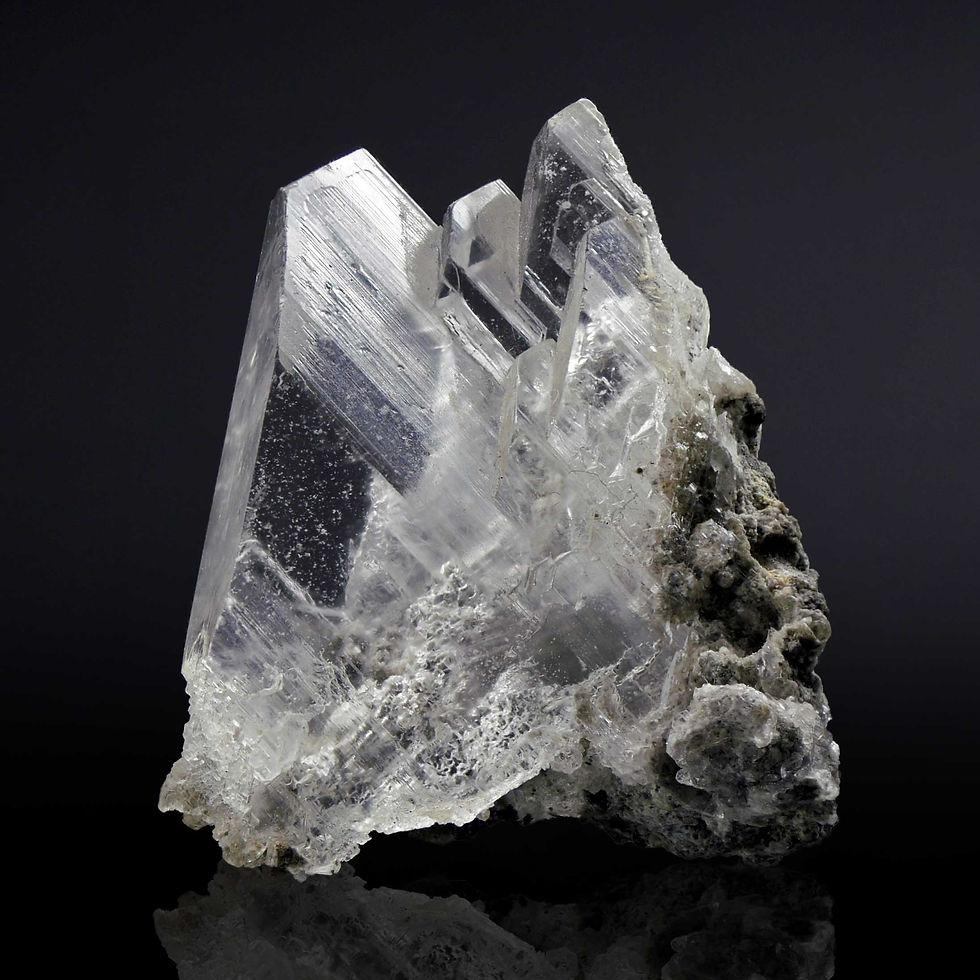
Gypsum is a hydrated calcium sulfate mineral with the chemical formula CaSO₄·2H₂O. It commonly forms through the evaporation of water containing dissolved calcium and sulfate.

It is relatively soft and can be scratched with a fingernail. Gypsum occurs in several forms, including massive deposits, crystalline varieties, fibrous material, and transparent crystals known as selenite.

Its softness and tendency to dissolve more readily than many other minerals influence the way it behaves in geological environments.

Formation of gypsum deposits

Gypsum often forms in evaporative environments where water containing dissolved minerals becomes concentrated through evaporation.

As the water volume decreases, dissolved substances may become saturated and precipitate. Gypsum can therefore develop in sedimentary deposits associated with evaporite environments.

It may also form through other geological processes involving sulfate-rich fluids and the alteration of minerals.

Meteora and the sandstone landscape

Meteora is widely known for its monumental rock formations and monasteries situated on towering geological structures. Its landscape is associated with sedimentary rock formations, erosion, weathering, and long-term geological development.

The title's reference to gypsum in Meteora sandstone is hypothetical. Gypsum is not established simply by the presence of sandstone or unusual pale-colored surfaces.

A gypsum occurrence would require mineralogical identification and geological examination to determine whether it formed within the rock, along fractures, through alteration, or from a later deposit.

Geological interpretation

Gypsum can help researchers investigate the chemical conditions of sedimentary environments, mineral alteration, and the movement of groundwater.

If a gypsum deposit were identified in the Meteora region, researchers would examine its relationship with the surrounding rock formations, its texture, its distribution, and the conditions under which it formed.

Such a discovery could contribute to understanding local geological processes and the chemical history of the region.

It would also be important to consider the effects of gypsum dissolution, which can influence rock stability, cavities, and surface features.


← Hidden Hematite in an Othrys GullyHidden Peridot in Parnon Rocks →
Featured
image_2026-11-19_213714038.png
November 28, 2026
Forgotten Byzantine Tiles in a Karpathos Hill Chapel
November 28, 2026
Read more →
November 28, 2026
image_2026-11-19_213753883.png
November 28, 2026
Hidden Venetian Drain Pipes in a Spetses Townhouse
November 28, 2026
Read more →
November 28, 2026
image_2026-11-19_213831169.png
November 28, 2026
Little-Known Ottoman Well Rims in Kastellorizo Towers
November 28, 2026
Read more →
November 28, 2026
image_2026-11-19_213905700.png
November 28, 2026
Obscure Minoan Jars in a Kavala Farmhouse Cellar
November 28, 2026
Read more →
November 28, 2026
image_2026-11-23_155132050.png
November 28, 2026
Obscure Moonstone in Schinoussa Inlets
November 28, 2026
Read more →
November 28, 2026
image_2026-11-23_155216642.png
November 28, 2026
Hidden Hematite in an Othrys Gully
November 28, 2026
Read more →
November 28, 2026
read more

Powered by The archaeologist



