
• MAIN PAGE
  • LATEST NEWS
    • Lost Cities
    • Archaeology's Greatest Finds
    • Underwater Discoveries
    • Greatest Inventions
    • Studies
    • Blog
  • PHILOSOPHY
  • HISTORY
  • RELIGIONS
    • Africa
    • Anatolia
    • Arabian Peninsula
    • Balkan Region
    • China - East Asia
    • Europe
    • Eurasian Steppe
    • Levant
    • Mesopotamia
    • Oceania - SE Asia
    • Pre-Columbian Civilizations of America
    • Iranian Plateau - Central Asia
    • Indus Valley - South Asia
    • Japan
    • The Archaeologist Editor Group
    • Scientific Studies
    • Aegean Prehistory
    • Historical Period
    • Byzantine Middle Ages
    • Predynastic Period
    • Dynastic Period
    • Greco-Roman Egypt
  • Rome
  • PALEONTOLOGY
  • About us
Menu

The Archaeologist

  • MAIN PAGE
  • LATEST NEWS
  • DISCOVERIES
    • Lost Cities
    • Archaeology's Greatest Finds
    • Underwater Discoveries
    • Greatest Inventions
    • Studies
    • Blog
  • PHILOSOPHY
  • HISTORY
  • RELIGIONS
  • World Civilizations
    • Africa
    • Anatolia
    • Arabian Peninsula
    • Balkan Region
    • China - East Asia
    • Europe
    • Eurasian Steppe
    • Levant
    • Mesopotamia
    • Oceania - SE Asia
    • Pre-Columbian Civilizations of America
    • Iranian Plateau - Central Asia
    • Indus Valley - South Asia
    • Japan
    • The Archaeologist Editor Group
    • Scientific Studies
  • GREECE
    • Aegean Prehistory
    • Historical Period
    • Byzantine Middle Ages
  • Egypt
    • Predynastic Period
    • Dynastic Period
    • Greco-Roman Egypt
  • Rome
  • PALEONTOLOGY
  • About us
No results found

Hidden Peridot in Parnon Rocks

November 28, 2026

Peridot and the mineral olivine

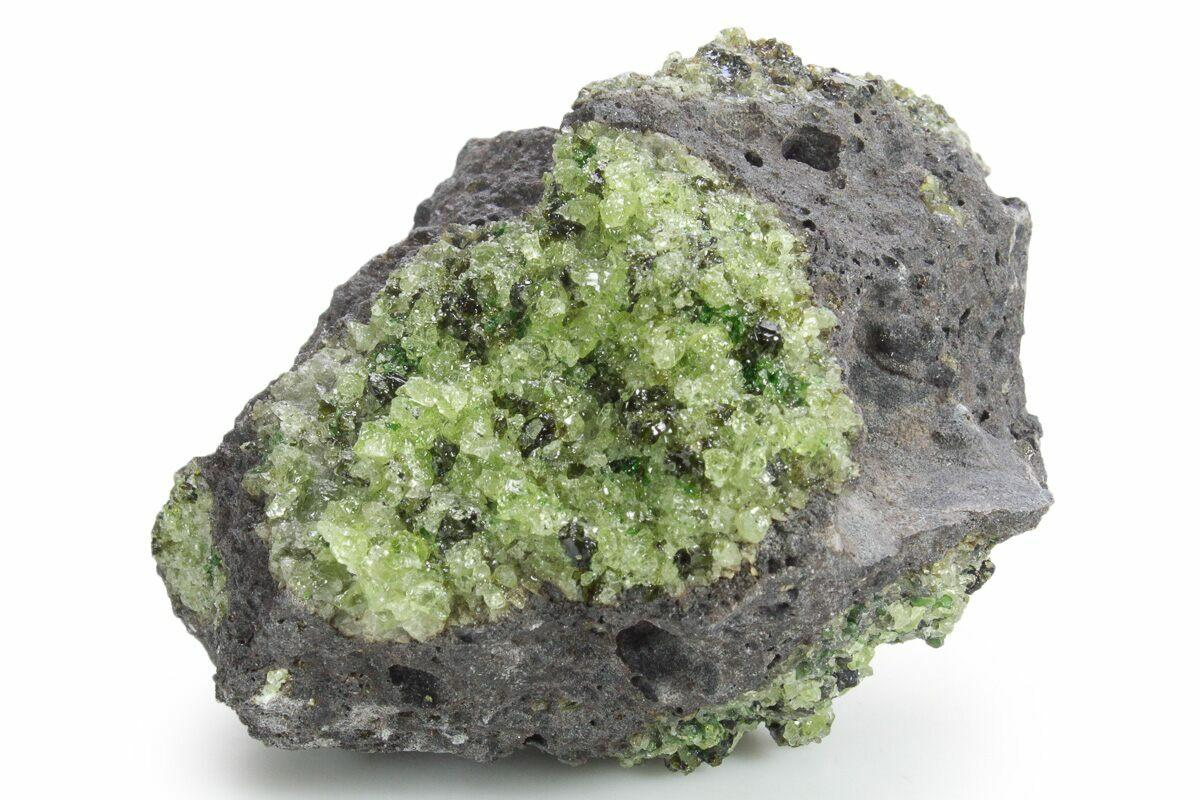
Peridot is the gem-quality variety of olivine, a mineral that is typically green because of its iron and magnesium content.

Olivine is particularly significant in geology because it is a major mineral in Earth's upper mantle and occurs in certain igneous rocks. It is also found in some volcanic materials and in rocks derived from the mantle.

Peridot may range from yellow-green to deep olive green, depending on its composition and quality. Its color, transparency, and crystal characteristics make it recognizable in mineral collections.

Geological formation and occurrence

Olivine forms in high-temperature geological environments, especially in magnesium-rich and iron-rich igneous rocks.

It is commonly associated with rocks such as peridotite and basalt, although the exact geological setting varies. In some environments, olivine-bearing rocks may be exposed through tectonic processes that bring deeper materials closer to the surface.

Peridot can also occur in transported deposits where erosion releases crystals from their original rock and moves them into sedimentary environments.

Parnon and the regional geology

The Parnon mountain range in the southeastern Peloponnese is part of a complex geological region with different rock formations and structural histories.

The presence of peridot in Parnon rocks, as suggested by the title, would require specific geological evidence. Not every green mineral found in mountainous terrain is olivine, and not every olivine-bearing rock contains gem-quality peridot.

Researchers would need to identify the host rock and examine the mineral composition, crystal structure, and geological relationships.

Scientific and mineralogical importance

Olivine is important in the study of Earth's interior because it is a major component of mantle rocks. Its composition and mineral properties can provide information about the conditions under which rocks formed and evolved.

A hypothetical peridot occurrence in Parnon would be relevant to mineralogical research, regional geological mapping, and the investigation of igneous and metamorphic processes.

It could also help clarify whether the mineral formed locally or was transported from another geological source.


← Obscure Gypsum in Meteora SandstoneObscure Amber in Prespa Riverbanks →
Featured
image_2026-11-19_213714038.png
November 28, 2026
Forgotten Byzantine Tiles in a Karpathos Hill Chapel
November 28, 2026
Read more →
November 28, 2026
image_2026-11-19_213753883.png
November 28, 2026
Hidden Venetian Drain Pipes in a Spetses Townhouse
November 28, 2026
Read more →
November 28, 2026
image_2026-11-19_213831169.png
November 28, 2026
Little-Known Ottoman Well Rims in Kastellorizo Towers
November 28, 2026
Read more →
November 28, 2026
image_2026-11-19_213905700.png
November 28, 2026
Obscure Minoan Jars in a Kavala Farmhouse Cellar
November 28, 2026
Read more →
November 28, 2026
image_2026-11-23_155132050.png
November 28, 2026
Obscure Moonstone in Schinoussa Inlets
November 28, 2026
Read more →
November 28, 2026
image_2026-11-23_155216642.png
November 28, 2026
Hidden Hematite in an Othrys Gully
November 28, 2026
Read more →
November 28, 2026
read more

Powered by The archaeologist



