Papa Stronsay: Monastic Ruins
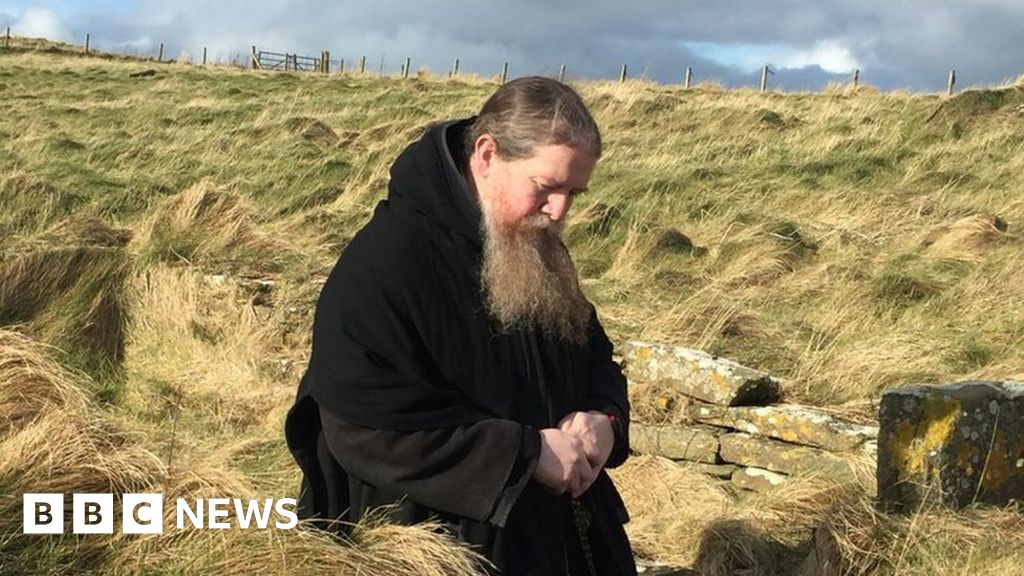
The tiny island of Papa Stronsay occupies an important position within the religious history of Orkney.
The name itself reflects the island's ecclesiastical associations. "Papa" place names across the Northern Isles are commonly connected with early Christian communities, traditionally associated with papar, an Old Norse term used for religious figures or priests.
Early Christianity in Orkney
Christianity reached Orkney before and during the period of Norse settlement.
The exact chronology and character of the earliest Christian communities remain subjects of scholarly discussion.
However, archaeological evidence demonstrates that Christian activity existed in the Northern Isles before Christianity became fully established within the Norse political system.
Norse Christianity
The conversion of Norse society was gradual.
Rather than imagining a single moment when paganism disappeared and Christianity immediately replaced it, archaeologists see a process involving:
New burial practices
Churches
Crosses
Ecclesiastical landholding
Changing personal names
New religious institutions
Orkney eventually became firmly Christian.
Monastic Landscapes
Monastic sites were more than places of prayer.
They could include:
Chapels
Burial grounds
Agricultural land
Workshops
Storage facilities
Living quarters
Religious communities depended upon the surrounding landscape for food and resources.
Papa Stronsay's Significance
The island's monastic associations contribute to our understanding of the spread and institutionalization of Christianity across the Northern Isles.
Its location also demonstrates how religious communities could establish themselves on relatively small islands.
The sea, rather than simply being a barrier, connected these communities to larger networks.