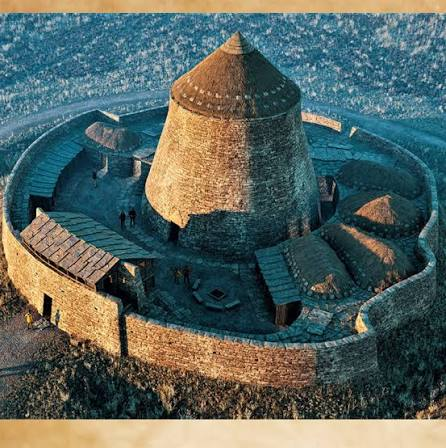
Burroughston Broch: Stronsay's Iron Age Tower
The Burroughston Broch is one of Stronsay's most important Iron Age monuments.
Like other brochs across northern Scotland, it represents an extraordinary investment in stone architecture.
Construction
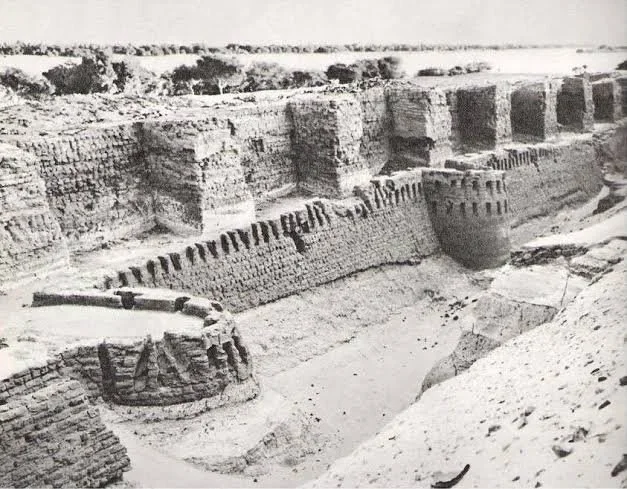
A broch's walls were constructed using carefully arranged stonework.
The characteristic double-wall construction produced enormous thickness while leaving internal spaces that could be used for staircases, galleries, and chambers.
This engineering technique allowed builders to create structures far taller than ordinary stone houses.
Engineering Achievement
Broch construction required detailed understanding of:
Stone selection
Load distribution
Wall stability
Drainage
Entrances
Internal circulation
The builders had no modern surveying instruments.
Yet their structures demonstrate impressive architectural knowledge.
Social Meaning
Why build such a massive tower?
Defense may have been one factor.
But a purely defensive interpretation does not explain all broch architecture.
A tower could function as a residence, meeting place, storage center, refuge, or symbol of authority.
Its size itself communicated power.
Stronsay's Position
Stronsay's location placed it within the maritime world of the Northern Isles.
Communities could move between islands by boat, exchange goods, and maintain relationships across considerable distances.
Burroughston therefore represents part of a wider Iron Age network rather than an isolated settlement.
Legacy
Today, the broch provides a rare physical connection with communities living in Orkney more than two thousand years ago.
Its walls preserve not only engineering knowledge but also evidence for social organization and identity.