Introduction
Situated in the Casma Valley along the arid desert coast of northern Peru, Sechín Alto was the monumental capital of the Casma/Sechín Culture during the Initial Period (~1,800–1,200 BCE). Built over 3,500 years ago, Sechín Alto was at its peak the largest architectural mound complex in the entire Western Hemisphere, dominating a hyper-arid coastal river valley through advanced irrigation agriculture and monumental ritual architecture.
Monumental Scale and Relief Carvings
The Sechín Alto complex is dominated by a central main pyramid (Huaca) that dwarfs surrounding contemporary sites:
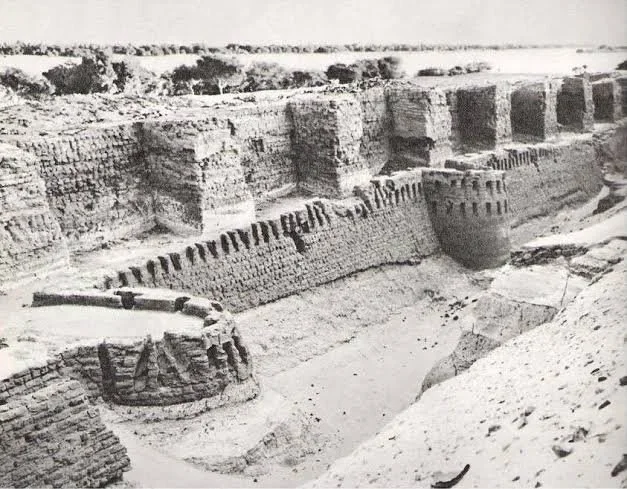
Massive Scale: The main mound measures an astounding 300 meters long, 250 meters wide, and 40 meters high, built from granite boulders set in mud mortar and faced with polished stone slabs.
Processional Plazas: The main pyramid opens onto a series of vast, sunken circular plazas and rectangular courts that stretch over 1.4 kilometers in length, capable of accommodating thousands of worshippers during state rituals.
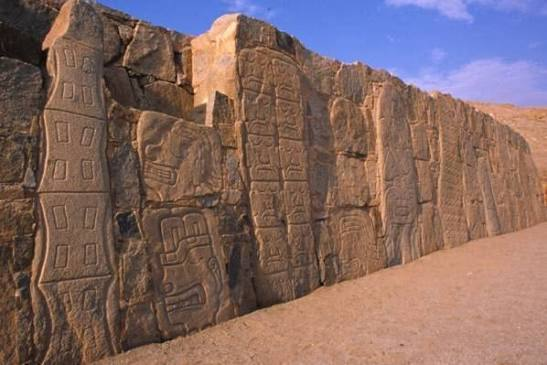
Graphic Monolithic Reliefs: At the nearby associated site of Cerro Sechín, the perimeter wall is faced with over 300 carved granite stelae depicting a violent ritual procession: triumphant warrior-priests wielding clubs marching alongside dismembered bodies, severed heads, and internal organs.
Conclusion
Sechín Alto stands as a monumental landmark of early Andean statecraft. Its massive scale and graphic stone reliefs illustrate how early coastal elites deployed monumental labor, hydraulic control, and martial ideology to establish regional authority.