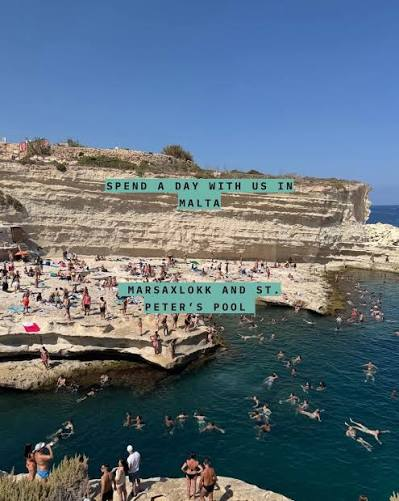
St Peter's Pool: Stronsay's Chapel Site
Christianity left a powerful imprint on Stronsay's landscape.
The St Peter's Pool site is associated with a chapel tradition, illustrating how Christian communities established sacred places across the Northern Isles.
Sacred Landscapes
Christianization did not necessarily erase earlier sacred landscapes.
Churches and chapels were often established in locations that already possessed significance.
In some cases, Christian sites were associated with earlier settlement or prehistoric monuments.
This could help communities integrate new religious practices into familiar landscapes.
Chapels
A medieval chapel could serve a relatively small community.
It might have consisted of:
A simple stone building
Burial ground
Boundary
Cross or carved stone
Associated settlement
Not every chapel was a monastery.
Many were local places of worship serving farms and small communities.
St Peter
The dedication to St Peter is significant because Peter was one of Christianity's most important apostles.
Medieval churches dedicated to him occur widely across Britain and Europe.
A dedication does not necessarily reveal when a chapel was first established, however. Sites could be rebuilt, rededicated, or altered over time.
Archaeological Evidence
Even when a chapel building survives poorly, archaeological traces may remain.
These can include:
Foundation trenches
Wall lines
Burial remains
Grave markers
Architectural fragments
Ceramic material
Metal objects
Burial grounds are particularly important because they can reveal demographic and health information about medieval communities.
Stronsay's Christian Transformation
St Peter's Pool forms part of the larger transformation from a Norse pagan society into a Christian medieval society.
This transformation affected burial, architecture, political institutions, landholding, art, and everyday life.