Stove: Eday's Broch
Brochs are among Scotland's most distinctive Iron Age architectural traditions.
These massive stone towers are especially associated with northern Scotland and the Northern Isles, where they dominate parts of the prehistoric landscape.
Stove represents Eday's contribution to this remarkable architectural tradition.
What Is a Broch?
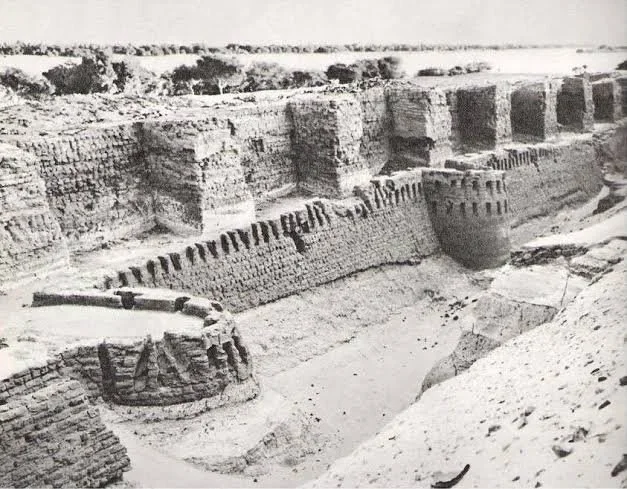
A broch is generally characterized by a thick circular stone wall enclosing an internal space.
Many possessed:
Double-skinned walls
Internal galleries
Staircases
Cells
Intramural chambers
A central courtyard or interior
Substantial entrances
Their exact function remains debated.
For many years, archaeologists interpreted brochs primarily as defensive towers.
Modern research has increasingly emphasized their social and architectural significance.
Defense and Status
A broch's massive construction certainly provided security.
But building such a structure also required considerable resources.
Large quantities of stone had to be quarried, transported, and carefully assembled.
This suggests that brochs could communicate:
Wealth
Authority
Community identity
Social status
Architectural ambition
They may therefore have been simultaneously practical and symbolic.
Life Inside a Broch
Brochs were not necessarily empty fortifications.
Archaeological deposits from broch sites can contain evidence for domestic activity.
People could have:
Cooked food
Kept livestock
Stored grain
Crafted tools
Worked textiles
Socialized
Conducted ceremonies
Some brochs were occupied for generations.
Eday's Iron Age Landscape
Stove should be considered alongside other Iron Age structures on Eday and neighboring islands.
The Northern Isles contained a dense network of settlements.
Communities interacted through trade, kinship, marriage, competition, and possibly conflict.
Brochs may have served as visible centers within these local territories.
The Broch as a Monument
A broch was more than a building.
Its enormous stone walls made it a permanent landmark.
Anyone traveling across the surrounding landscape would recognize it.
Its architectural presence could therefore reinforce the identity and authority of the people associated with it.