
Introduction
Animal symbolism was an important part of religious and social life throughout the Bronze Age Aegean. Animals appeared in art, architecture, figurines, seals, pottery decoration, and ritual imagery. They could represent fertility, strength, protection, sacrifice, divine associations, or relationships between humans and the natural world.
Portable animal altars present a useful research topic because they combine mobility, ritual practice, craftsmanship, and symbolism. Small ritual objects could be carried, placed within domestic spaces, used during ceremonies, or deposited in sanctuaries.
The specific category of portable animal altars would require careful archaeological identification. Objects interpreted as altars might instead be figurines, offering stands, miniature vessels, or other ritual equipment.
Animal Symbolism in the Bronze Age Aegean
Animals played several roles in Bronze Age societies.
They provided food, labor, clothing materials, transportation, and economic wealth. Their appearance in religious contexts suggests that animals also held symbolic significance.
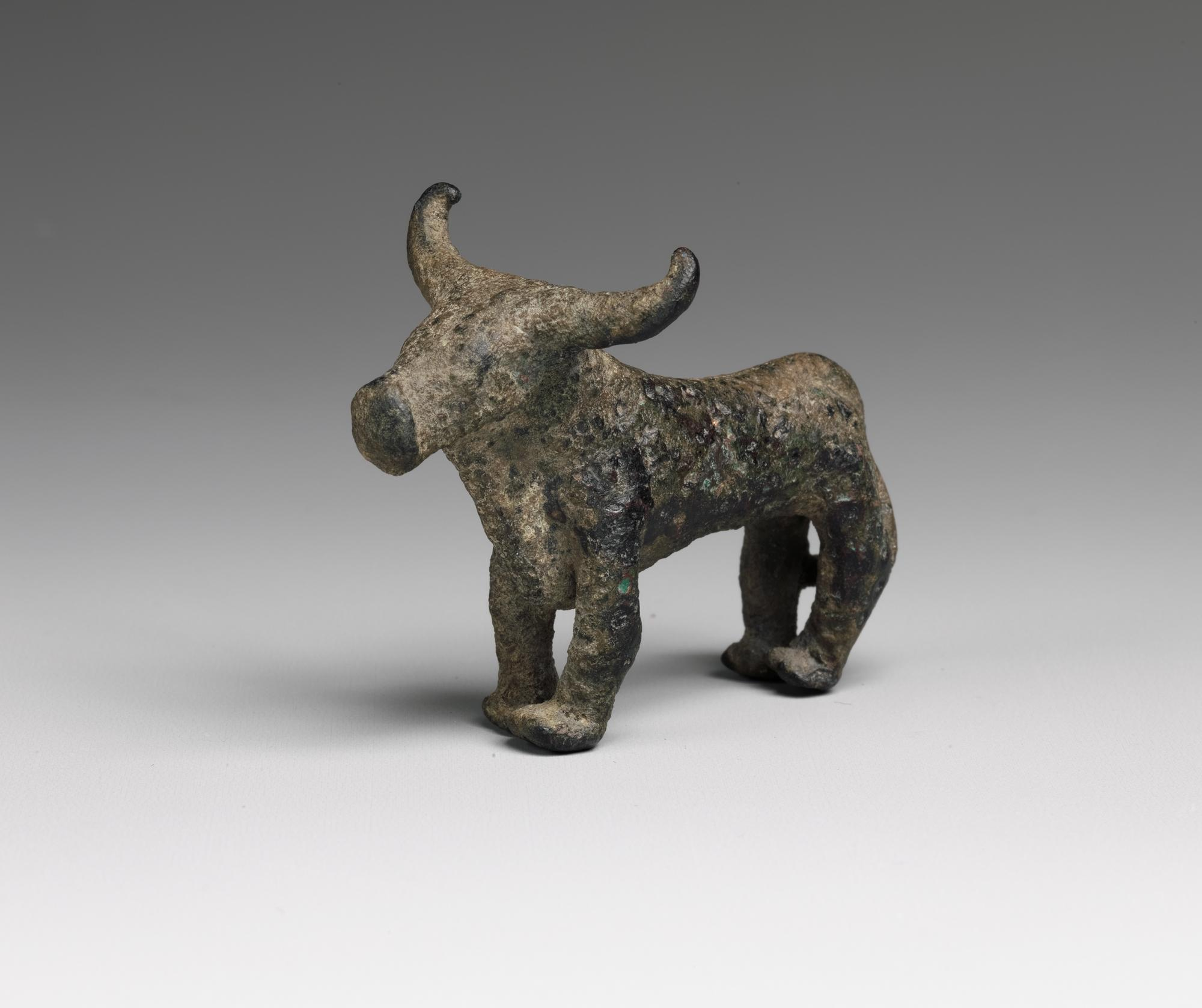
Common animals represented in Aegean imagery include bulls, goats, birds, lions, and other creatures.
The bull, in particular, appears prominently in Minoan imagery, architecture, and ritual scenes. However, the presence of an animal in art does not automatically establish the exact religious meaning associated with it.
Interpretations must consider the object's context, form, location, and comparison with other material evidence.
Portable Ritual Objects
Small objects used in ritual could be made from clay, stone, bronze, wood, or other materials.
Portable altars or altar-like objects may have been used in:
Household religious activities.
Small offerings.
Personal devotional practices.
Seasonal ceremonies.
Processions.
Temporary ritual installations.
Their portability could have allowed religious activities to occur in multiple settings rather than only in large sanctuaries.
Archaeological Context
The interpretation of an object as an altar requires attention to its physical characteristics.
Researchers may examine:
Surface traces of burning.
Ash or charcoal residues.
Animal remains associated with the object.
Small offering deposits.
Repeated placement in ritual contexts.
Features designed to hold liquids or materials.
A miniature animal object with a flat surface might appear altar-like, but its function cannot be determined from shape alone.
Residue analysis, microscopic examination, and contextual comparison could help distinguish objects used for offerings from decorative or symbolic pieces.
Household Religion and Ritual Mobility
Bronze Age religion was not necessarily restricted to large palaces or formal sanctuaries.
Household spaces may have contained objects associated with protection, fertility, ancestors, or local deities.
Portable ritual objects would have allowed households or small groups to participate in religious activities without requiring permanent monumental structures.
The movement of ritual objects could also reflect the changing location of ceremonies, seasonal activities, or social gatherings.
Craftsmanship and Material Selection
The production of portable altars would reveal aspects of craft organization.
Clay objects could be molded or handmade, while bronze or stone examples might require specialized knowledge and labor.
The material used may influence the object's significance, durability, and accessibility.
Small objects made from inexpensive materials may have been available to broader communities, while more elaborate objects could reflect elite ownership or specialized ritual settings.
Conclusion
Portable animal altars provide an opportunity to investigate religious practices beyond monumental architecture.
Their study would connect animal symbolism, domestic ritual, craftsmanship, and the movement of sacred objects throughout Bronze Age Greece.
Reliable interpretations would require identifying the objects themselves and establishing their archaeological context before assigning specific ritual functions.





