• MAIN PAGE
  • LATEST NEWS
    • Lost Cities
    • Archaeology's Greatest Finds
    • Underwater Discoveries
    • Greatest Inventions
    • Studies
    • Blog
  • PHILOSOPHY
  • HISTORY
  • RELIGIONS
    • Africa
    • Anatolia
    • Arabian Peninsula
    • Balkan Region
    • China - East Asia
    • Europe
    • Eurasian Steppe
    • Levant
    • Mesopotamia
    • Oceania - SE Asia
    • Pre-Columbian Civilizations of America
    • Iranian Plateau - Central Asia
    • Indus Valley - South Asia
    • Japan
    • The Archaeologist Editor Group
    • Scientific Studies
    • Aegean Prehistory
    • Historical Period
    • Byzantine Middle Ages
    • Predynastic Period
    • Dynastic Period
    • Greco-Roman Egypt
  • Rome
  • PALEONTOLOGY
  • About us
Menu

The Archaeologist

  • MAIN PAGE
  • LATEST NEWS
  • DISCOVERIES
    • Lost Cities
    • Archaeology's Greatest Finds
    • Underwater Discoveries
    • Greatest Inventions
    • Studies
    • Blog
  • PHILOSOPHY
  • HISTORY
  • RELIGIONS
  • World Civilizations
    • Africa
    • Anatolia
    • Arabian Peninsula
    • Balkan Region
    • China - East Asia
    • Europe
    • Eurasian Steppe
    • Levant
    • Mesopotamia
    • Oceania - SE Asia
    • Pre-Columbian Civilizations of America
    • Iranian Plateau - Central Asia
    • Indus Valley - South Asia
    • Japan
    • The Archaeologist Editor Group
    • Scientific Studies
  • GREECE
    • Aegean Prehistory
    • Historical Period
    • Byzantine Middle Ages
  • Egypt
    • Predynastic Period
    • Dynastic Period
    • Greco-Roman Egypt
  • Rome
  • PALEONTOLOGY
  • About us

The Hidden Caverns Used as Prehistoric Courts

February 27, 2026

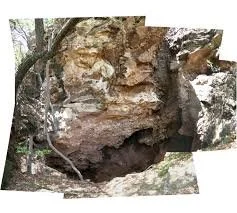
Deep within limestone caverns and rock shelters, early human groups may have gathered not only for ritual and art but for decision-making. While direct evidence is limited, archaeological patterns suggest that some caves served as communal meeting spaces where disputes were addressed and collective choices were made.

Natural Spaces for Assembly

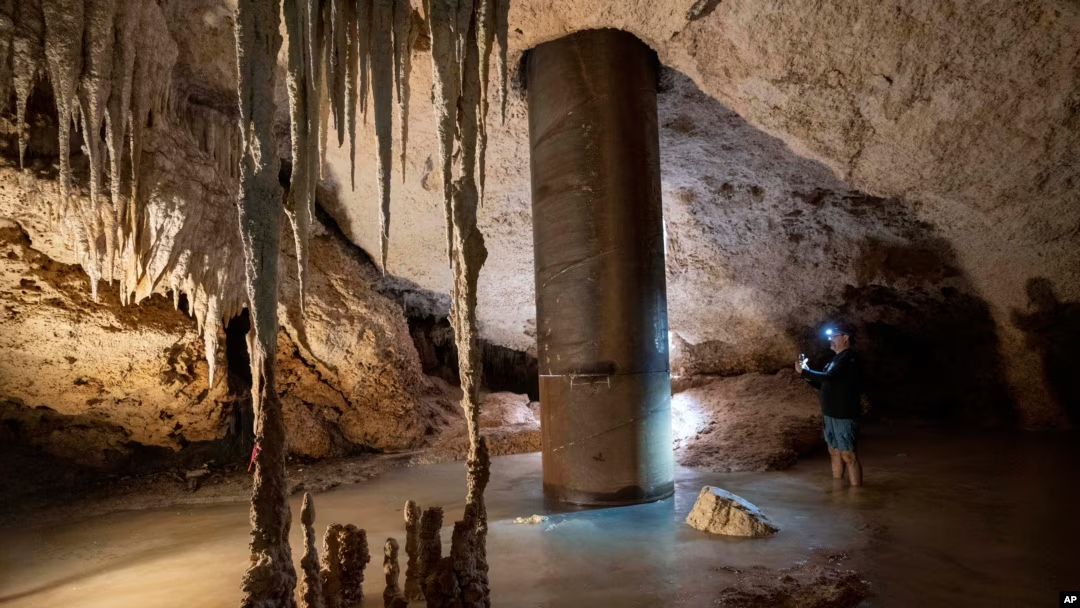
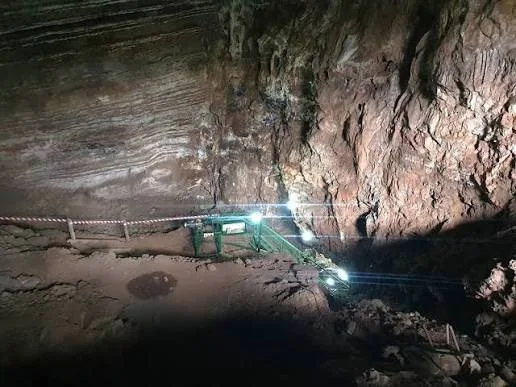
Sites such as Altamira Cave and Lascaux Cave are best known for their extraordinary prehistoric paintings. Yet their large chambers could also accommodate groups of people, making them suitable for communal gatherings.

Cave acoustics often amplify voices, allowing a speaker to address a group without strain. This natural amplification may have made caves ideal for storytelling, ceremonial pronouncements, or conflict mediation.

Evidence of Social Organization

Archaeologists have identified repeated human use in specific chambers, including hearths, arranged stones, and spatial patterns that suggest deliberate organization. These features imply more than temporary shelter.

In tribal societies, justice was typically communal and oral. Elders or leaders likely mediated disputes publicly. A cave, especially one adorned with symbolic art, could provide a solemn environment that reinforced shared identity and tradition.

Justice Before Written Law

Without written records, early communities relied on memory, precedent, and collective agreement. Decisions were shaped by storytelling and ritual as much as by practical reasoning.

If caves did serve as early “courts,” they represent an important stage in social evolution. Organized governance, negotiation, and communal justice may have deep roots stretching far back into prehistory.
← Ancient Children’s Toys That Survived MillenniaThe First Desert Kingdoms Powered by Wind →
Featured
image_2026-02-27_163102381.png
Feb 27, 2026
The Forgotten Woodlands Civilizations
Feb 27, 2026
Read More →
Feb 27, 2026
image_2026-02-27_161538661.png
Feb 27, 2026
The World’s First Secret Societies
Feb 27, 2026
Read More →
Feb 27, 2026
image_2026-02-27_161134911.png
Feb 27, 2026
The Lost Stone Calendars That Measured Eternity
Feb 27, 2026
Read More →
Feb 27, 2026
image_2026-02-27_154831730.png
Feb 27, 2026
Ancient Children’s Toys That Survived Millennia
Feb 27, 2026
Read More →
Feb 27, 2026
image_2026-02-27_152544894.png
Feb 27, 2026
The Hidden Caverns Used as Prehistoric Courts
Feb 27, 2026
Read More →
Feb 27, 2026
image_2026-02-27_150847482.png
Feb 27, 2026
The First Desert Kingdoms Powered by Wind
Feb 27, 2026
Read More →
Feb 27, 2026
read more

Powered by The archaeologist