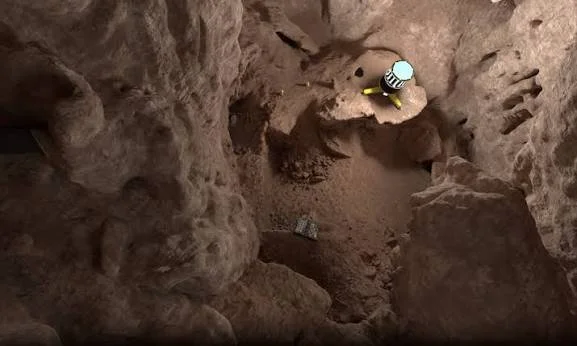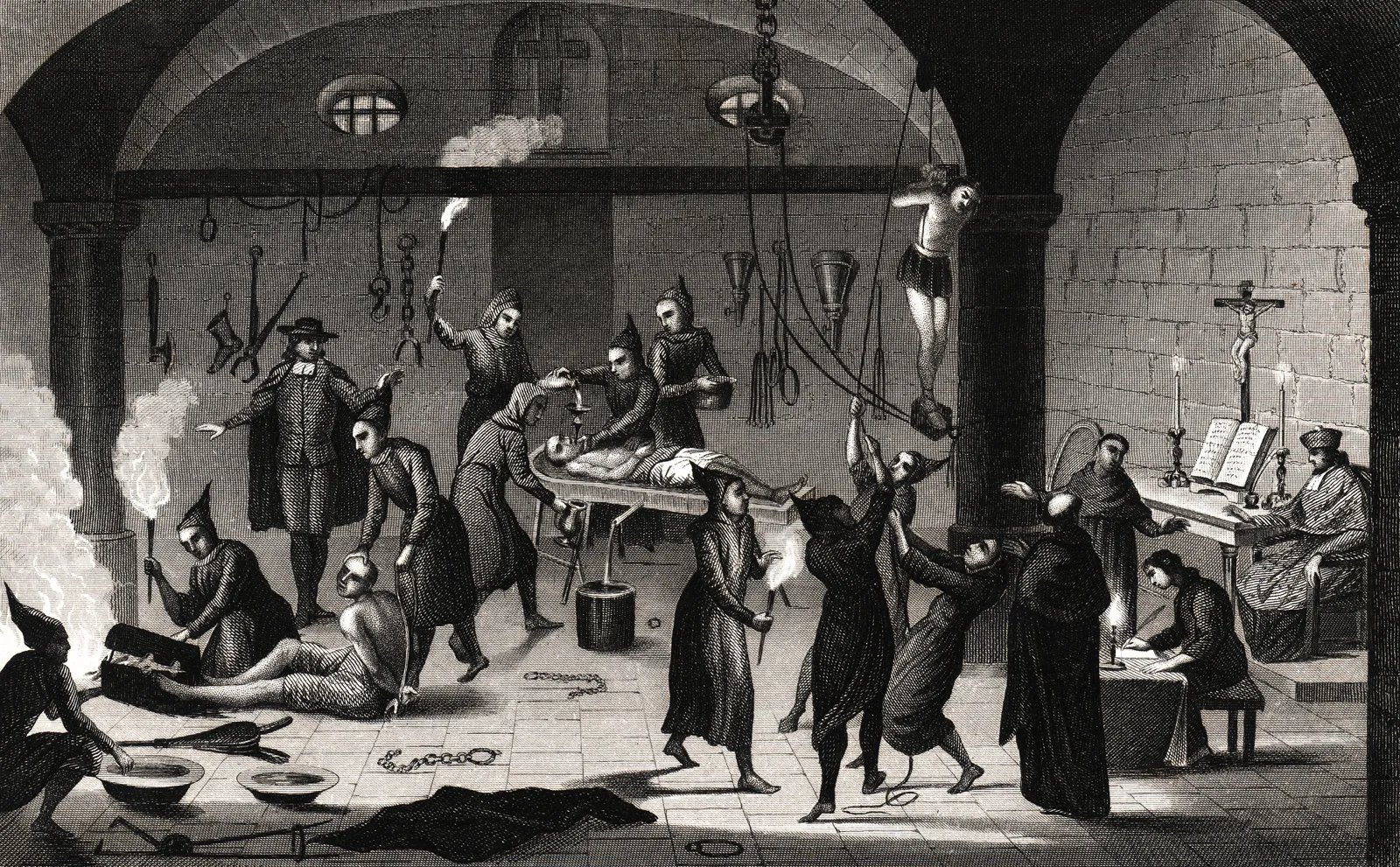
Long before modern fraternities or covert organizations, ancient societies formed exclusive groups bound by oath, ritual, and secrecy. These early brotherhoods used coded symbols, hidden meeting places, and demanding initiation trials to protect their knowledge.
Brotherhoods Beneath the Surface
In ancient Greece, initiates participated in the mysteries at Eleusis, honoring the goddess Demeter. The rites were secret, and participants were forbidden from revealing what they witnessed. Breaking this oath could lead to severe punishment.
Similarly, in ancient Rome, certain religious cults operated privately, requiring symbolic rebirth rituals before full membership was granted. These ceremonies strengthened bonds between members and created shared identity.
Symbols, Codes, and Trials
Secret societies often relied on visual symbols to identify one another discreetly. Signs carved into stone or worn as jewelry communicated belonging without alerting outsiders.
Initiation rituals sometimes involved physical endurance, fasting, or symbolic journeys into darkness and light. These trials marked a psychological transformation, reinforcing loyalty and unity.
Why Secrecy Mattered
Secrecy created power. By limiting access to sacred knowledge, these groups elevated their status within society. Mystery also deepened emotional impact—what is hidden often feels more profound.
While details remain elusive, early secret societies reveal that humans have long been drawn to exclusive communities that promise meaning, protection, and insight beyond the ordinary.