Denmark’s Bog Bodies: The Tollund Man and Grauballe Man
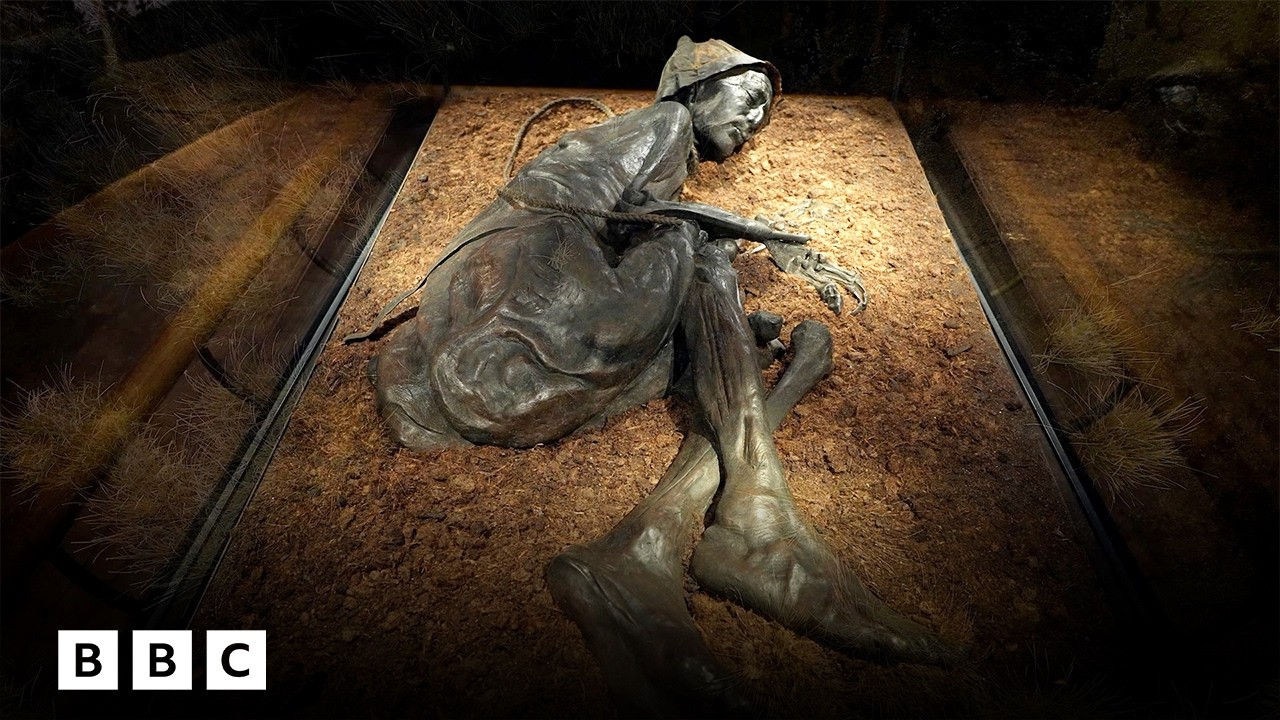
Hidden in the misty peat bogs of Denmark, two figures have silently endured for over 2,000 years: the Tollund Man and Grauballe Man.
These are not ordinary archaeological finds. They are bog bodies — humans whose skin, hair, and even facial features have survived millennia, preserved by the unique chemistry of the peat bogs.
Ritual Sacrifice or Tragic Death?
Scholars believe both men were victims of ritual sacrifices. Their deaths were deliberate, yet the exact reasons remain a mystery.
The Tollund Man’s serene, almost peaceful expression contrasts with the violence of his hanging, while Grauballe Man’s contorted face hints at the harsh realities of Iron Age justice or ceremony. Each body is a window into the lives, beliefs, and social structures of ancient Northern Europe.
A Time Capsule of Iron Age Life
These bogs preserve far more than flesh. The bodies retain traces of hair, stomach contents, and even fingerprints, offering rare insights into diet, health, and daily life nearly two millennia ago.
Every wrinkle, scar, and strand of hair tells a story of a world long gone — a world where ritual, fear, and survival intersected in ways that continue to fascinate historians and archaeologists today.
The Tollund Man and Grauballe Man remind us that archaeology is not just about bones and artifacts. It is about life, death, and the human stories that echo across centuries.
🎥 Watch the video below to uncover the mysteries of Denmark’s bog bodies, and step back into Iron Age Europe with Tollund Man and Grauballe Man: