• MAIN PAGE
  • LATEST NEWS
    • Lost Cities
    • Archaeology's Greatest Finds
    • Underwater Discoveries
    • Greatest Inventions
    • Studies
    • Blog
  • PHILOSOPHY
  • HISTORY
  • RELIGIONS
    • Africa
    • Anatolia
    • Arabian Peninsula
    • Balkan Region
    • China - East Asia
    • Europe
    • Eurasian Steppe
    • Levant
    • Mesopotamia
    • Oceania - SE Asia
    • Pre-Columbian Civilizations of America
    • Iranian Plateau - Central Asia
    • Indus Valley - South Asia
    • Japan
    • The Archaeologist Editor Group
    • Scientific Studies
    • Aegean Prehistory
    • Historical Period
    • Byzantine Middle Ages
    • Predynastic Period
    • Dynastic Period
    • Greco-Roman Egypt
  • Rome
  • PALEONTOLOGY
  • About us
Menu

The Archaeologist

  • MAIN PAGE
  • LATEST NEWS
  • DISCOVERIES
    • Lost Cities
    • Archaeology's Greatest Finds
    • Underwater Discoveries
    • Greatest Inventions
    • Studies
    • Blog
  • PHILOSOPHY
  • HISTORY
  • RELIGIONS
  • World Civilizations
    • Africa
    • Anatolia
    • Arabian Peninsula
    • Balkan Region
    • China - East Asia
    • Europe
    • Eurasian Steppe
    • Levant
    • Mesopotamia
    • Oceania - SE Asia
    • Pre-Columbian Civilizations of America
    • Iranian Plateau - Central Asia
    • Indus Valley - South Asia
    • Japan
    • The Archaeologist Editor Group
    • Scientific Studies
  • GREECE
    • Aegean Prehistory
    • Historical Period
    • Byzantine Middle Ages
  • Egypt
    • Predynastic Period
    • Dynastic Period
    • Greco-Roman Egypt
  • Rome
  • PALEONTOLOGY
  • About us
No results found

The Pyramid Codes Hidden in Desert Geometry

January 6, 2026

Mathematical Precision of Pyramid Layouts
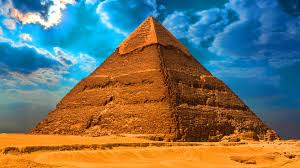
Egyptian pyramids were not randomly placed monuments. Their layouts reflect advanced geometry, precise cardinal alignment, and proportional design based on sacred mathematics. The Great Pyramid is aligned to true north with astonishing accuracy.

Astronomical Alignments
Many pyramids align with star constellations such as Orion, associated with Osiris, god of the afterlife. Shaft alignments within pyramids may have served as symbolic pathways for the soul’s ascent to the stars.

Sacred Geometry and Proportion
Ratios embedded in pyramid dimensions reflect harmonic proportions used in later sacred architecture. These measurements suggest intentional design rather than coincidence.

Landscape as Symbolic Map
The placement of pyramids across the desert forms patterns that mirror cosmic order. The desert itself became a sacred canvas representing creation, death, and rebirth.

Hidden Knowledge Debate
While mainstream scholars emphasize practical engineering, others argue pyramids encoded spiritual knowledge about time, space, and eternity—messages carved into geometry rather than text.
← Lost Cities Swallowed by SandstormsAncient Banking Before Money Existed →
Featured
image_2026-05-21_194210405.png
May 21, 2026
Ancient Egyptian Scribes: The Tools and Education of the Elite
May 21, 2026
Read more →
May 21, 2026
image_2026-05-21_194047248.png
May 21, 2026
The Roman Arch of Constantine: Spolia and Imperial Propaganda
May 21, 2026
Read more →
May 21, 2026
image_2026-05-21_194004733.png
May 21, 2026
Ancient Greek Pottery: Decoding the Scenes of Daily Life
May 21, 2026
Read more →
May 21, 2026
image_2026-05-21_193929602.png
May 21, 2026
The Mycenaean Lion Gate: The Architecture of Power
May 21, 2026
Read more →
May 21, 2026
image_2026-05-21_193826806.png
May 21, 2026
Roman Mosaics in North Africa: The Splendor of El Jem
May 21, 2026
Read more →
May 21, 2026
image_2026-05-21_193752997.png
May 21, 2026
The Viking God Odin: Archaeological Evidence of Norse Shamanism
May 21, 2026
Read more →
May 21, 2026
read more

Powered by The archaeologist