
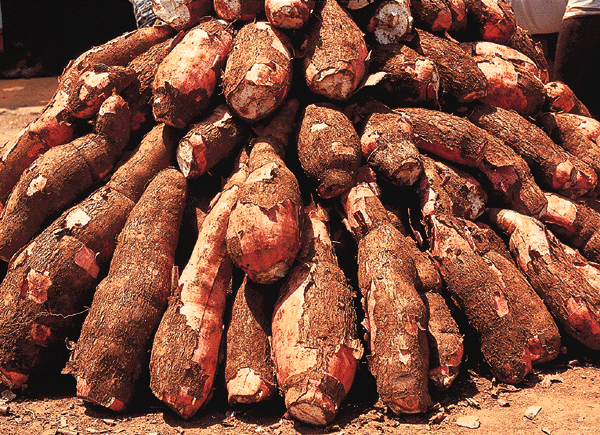
How microscopic traces of plant starch are helping researchers investigate the foods consumed by ancient hunter-gatherers.
Introduction: Looking Beyond Bones and Stone Tools
For much of archaeological history, reconstructions of prehistoric diets relied heavily on animal bones, charred seeds, and recognizable plant remains. These materials have provided essential information about hunting, gathering, and the development of agriculture. However, they represent only part of the foods that people consumed.
Many edible plants leave little visible evidence. Soft tissues decay, tubers disintegrate, and plant material may disappear unless it is charred or preserved under unusual conditions. As a result, archaeological deposits can underrepresent the importance of roots and underground storage organs in ancient diets.
Starch grain analysis offers a way to investigate this hidden food history. Starch grains are microscopic structures produced by plants to store energy. They may survive on stone tools, in sediment, or within other protected archaeological contexts, providing clues about the processing of plant foods.
For the Late Pleistocene, a period extending from approximately 129,000 to 11,700 years ago, this evidence is especially valuable. It allows researchers to explore how ancient populations used wild plants long before farming became widespread.
What Are Starch Grains?
Plants store energy in starch, a carbohydrate composed of glucose molecules. In many plant tissues, starch occurs as microscopic granules within cells. Their shapes, sizes, surface features, and internal structures can vary among plant groups.
Under appropriate preservation conditions, these granules can survive long after the surrounding plant tissue has decayed. Researchers recover them from archaeological materials and compare their characteristics with starch reference collections made from modern plants.
Different plants may produce granules with distinctive features, but identification is rarely straightforward. Closely related species can have similar starch morphology, and processing can alter the appearance of granules. Grinding, heating, fermentation, and other activities may damage or transform the structures.
Consequently, researchers should avoid identifying an archaeological starch grain as a particular species when the evidence supports only a broader plant family or group. Reliable identification depends on comparative analysis and a clear understanding of the method's limitations.
Tubers as Prehistoric Foods
Tubers and other underground storage organs can be valuable food sources. They often contain carbohydrates, and some can remain available when above-ground vegetation is limited. Their nutritional value and seasonal availability vary considerably by species and environment.
Wild tubers can also require substantial work before consumption. Some are fibrous, tough, bitter, or chemically defended, making digging, peeling, pounding, cooking, or soaking necessary. Archaeological evidence of grinding and heating may therefore help reconstruct the techniques used to make plant foods edible.
The presence of starch residues on a tool can suggest that plant material was processed with it. Yet it does not necessarily establish whether the tool was used to dig up tubers, crush them, prepare them for cooking, or process another starchy resource.
Researchers must distinguish tubers from other potential starch sources, including seeds, rhizomes, fruits, and underground stems. The term “tuber” refers to a particular plant structure, and not every edible underground plant part is botanically a tuber.
Recovering Starch from Archaeological Tools
Stone tools can preserve microscopic residues in surface depressions, cracks, and areas protected from abrasion. Researchers collect samples using procedures designed to reduce contamination, then examine them under a microscope.
Grinding stones and tools with heavily used surfaces may be particularly informative. If starch grains occur in locations consistent with use-related wear, and their identification matches the proposed plant-processing activity, they can provide evidence of prehistoric food preparation.
However, starch can also enter a tool's surface after deposition. Soil, plant roots, handling, conservation materials, and modern laboratory environments can introduce contaminants. Researchers therefore use control samples, document the sampling process, and compare residue distributions with the tool's archaeological context.
Use-wear analysis can provide independent support. Microscopic scratches, polish, and edge damage may indicate how a tool was used, although different activities can produce overlapping patterns. Combining residue and wear evidence is more reliable than interpreting either alone.
Reconstructing Late Pleistocene Diets
Starch evidence can help expand the known range of foods consumed by prehistoric populations. In some archaeological contexts, residues on stone tools have been interpreted as evidence for the processing of starchy plants before the emergence of agriculture.
Such findings are important because they challenge the assumption that early hunter-gatherers relied predominantly on meat or that intensive plant processing began only with farming. Human diets varied widely according to local environments, technology, and cultural knowledge.
Nevertheless, the presence of starch grains does not establish how frequently a plant was eaten or what proportion of calories it supplied. A few residues might reflect occasional processing, while an absence of starch does not prove that a plant was never consumed.
Researchers must also consider the preservation conditions of each site. A location that preserves starch grains well may appear to have a more plant-rich diet than a site where similar residues were destroyed. Comparisons between sites therefore require attention to sampling and preservation differences.
Connecting Plant Processing to Technology and Social Life
The processing of wild tubers could have influenced the tools, mobility, and daily routines of prehistoric groups. Gathering underground plant foods requires knowledge of where plants grow, when they are available, and how they can be processed safely.
Such knowledge may be passed between generations and adapted to changing environments. The archaeological record rarely preserves the teaching process directly, but repeated patterns of tool use and plant exploitation can reveal the persistence of particular technical traditions.
Plant foods may also have contributed to dietary flexibility. A community that could obtain both animal and plant resources would have more options when particular foods became scarce. The importance of any specific tuber, however, would depend on its abundance, nutritional value, accessibility, and the work required to prepare it.
To reconstruct these relationships, archaeologists combine starch analysis with botanical remains, animal bones, tool studies, environmental reconstruction, and evidence of ancient human movement.
Conclusion: Recovering the Invisible Ingredients of Prehistory
Starch grain evidence provides a powerful method for investigating plant foods that rarely survive in recognizable form. It can help researchers identify previously overlooked aspects of Late Pleistocene diets and explore the technological knowledge required to process wild plants.
The method is not without limitations. Contamination, ambiguous identification, and uncertain relationships between residue and activity can complicate interpretations. Most importantly, microscopic evidence of a plant's presence does not automatically reveal its dietary importance.
When carefully integrated with other archaeological evidence, starch analysis contributes to a broader understanding of human adaptability. It shows why prehistoric diets should not be reconstructed solely from the most visible remains, and why the smallest traces can sometimes reveal a substantial part of ancient life.




