Was King Tut’s Golden Mask Really Made for Him?
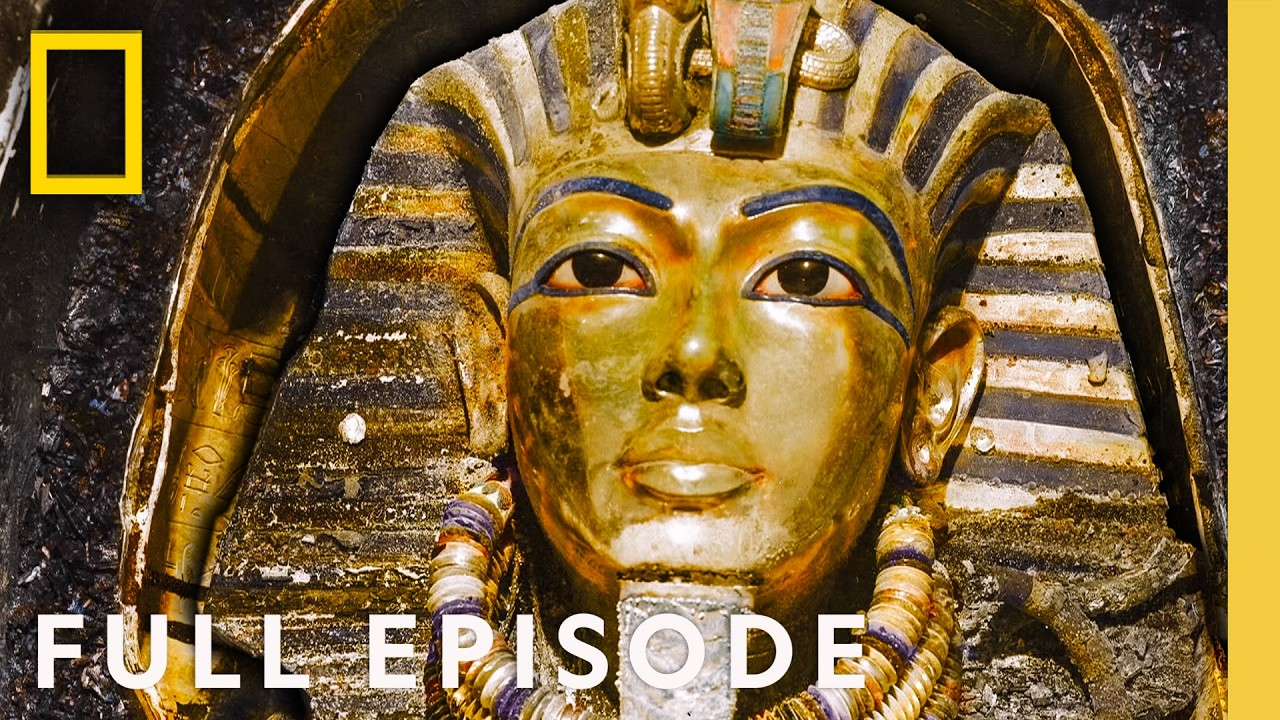
The legendary 24-pound golden funerary mask of King Tutankhamun is one of the most recognizable artifacts from Ancient Egypt — a symbol of royal power, craftsmanship, and mystery. But what if this iconic mask was never meant for Tut at all?
In this National Geographic full episode of Tut’s Treasures: Hidden Secrets, we explore the long-running scholarly debate surrounding the mask’s true origin. Subtle but significant clues suggest the story may be far more complex than tradition tells us.
At the center of the mystery is a damaged cartouche on the mask’s nameplate. Careful analysis shows signs that an earlier royal name was altered and replaced, an unusual modification for such a sacred object. Combined with stylistic inconsistencies and craftsmanship details that don’t fully align with Tutankhamun’s reign, many Egyptologists believe the mask may have originally been made for Queen Nefertiti — his powerful female ancestor.
This theory fits into the broader context of Egypt’s turbulent Amarna Period, a time of religious upheaval, political uncertainty, and rapid succession. Tut’s unexpected death at a young age may have forced artisans to repurpose existing royal objects, even ones intended for someone as significant as Nefertiti.
Rather than diminishing the mask’s importance, this possibility makes it even more remarkable — transforming it into a rare artifact that may carry the legacy of two rulers and one of the most dramatic transitions in Egyptian history.
This episode examines:
The physical evidence embedded in the mask itself
What altered inscriptions reveal about royal reuse
How modern imaging and conservation have reshaped interpretations
Why unresolved questions still surround Tutankhamun’s burial
🎥 Watch the full episode below to explore the hidden secrets of King Tut’s treasures and uncover the evidence behind one of Ancient Egypt’s greatest debates: