The Mysterious Dogū of Japan: Ritual Artifacts of the Jōmon Period
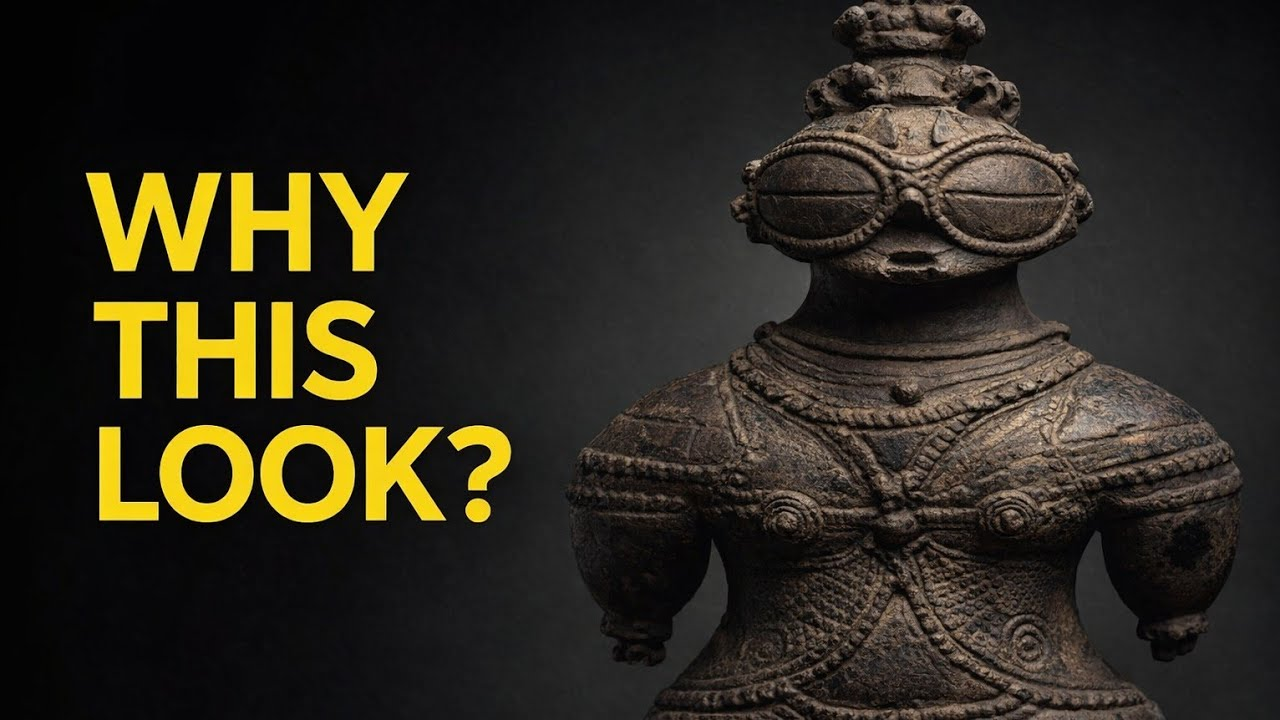
For over three thousand years, the goggle-eyed Shakōki-dogū have captivated archaeologists and enthusiasts alike. These clay figurines, created during Japan’s Jōmon period, are not technological devices, weapons, or armor — they are ritual objects, shaped by a long and sophisticated ceramic tradition.
The Jōmon people left no written records explaining their purpose, no captions, and no direct instructions. All that survives is the material record: the clay, cord-marked surfaces, fragmentation patterns, and the archaeological context in which they were found.
In this episode of Documentify TV, we dive into what the evidence actually reveals:
How these figures were intentionally made, rather than accidentally shaped by natural processes.
The significance of their cord-marked “suits” and the illusion of armor or snow goggles.
Why so many Dogū are found broken, and what that tells us about their ritual use.
The cultural and symbolic meanings behind their exaggerated features, rather than invoking lost technology or extraterrestrial visitors.
By separating modern speculation from archaeological evidence, we can better appreciate the ritual and symbolic world of the Jōmon people. These artifacts remind us that the most revealing part of ancient objects is often what they show about the people who made them, not how strange they appear to us today.
🎥 Watch the video below to explore the Shakōki-dogū and uncover the real story behind these fascinating Jōmon artifacts: