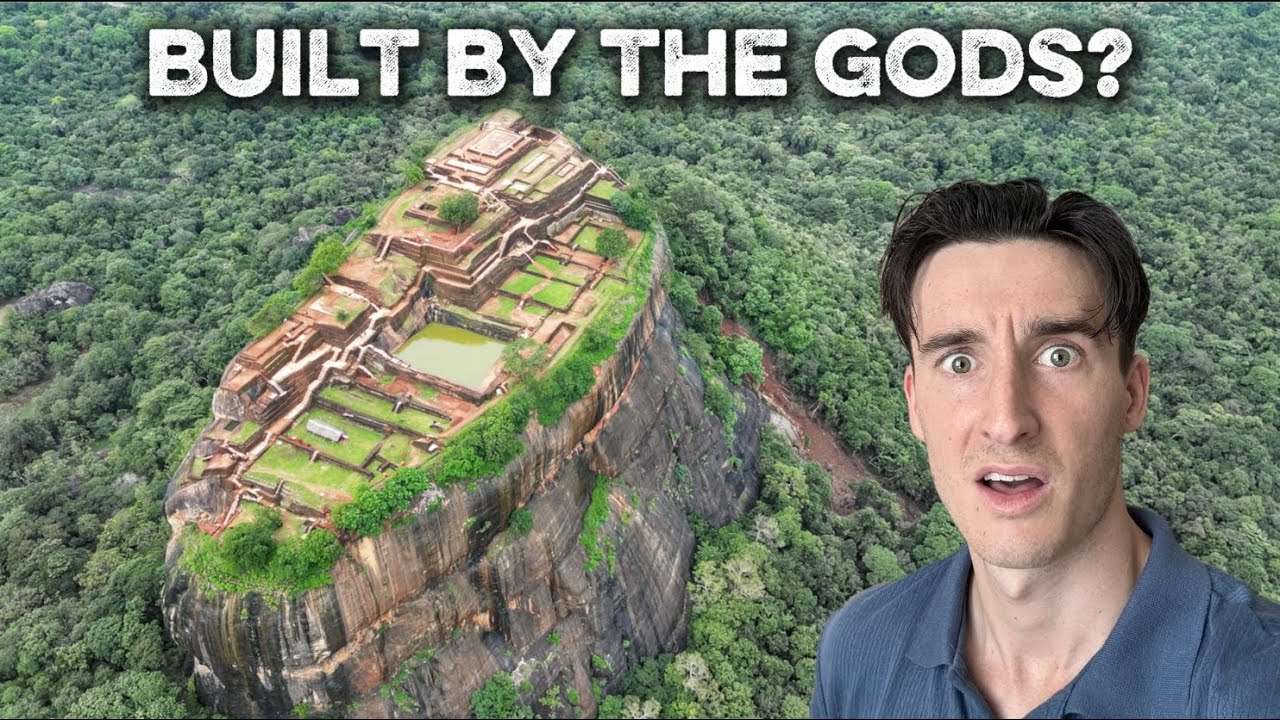
Sigiriya, often called the Lion Rock, is one of Sri Lanka’s most famous landmarks — but it’s far more complex than most people realize. Rising nearly 200 meters above the surrounding plains, this massive rock fortress is not just a single structure; it’s an intricate combination of royal palace, city, garden, and artwork, all designed with astonishing precision.
Dating back to the 5th century CE, Sigiriya was built under King Kashyapa, who transformed the natural rock formation into a fortified citadel, complete with ramparts, terraces, and moats. But what makes Sigiriya truly remarkable is its combination of art, engineering, and urban planning:
Frescoes painted on the rock walls, depicting celestial maidens, still captivate visitors with their vibrant colors and elegance.
Water gardens at the base demonstrate advanced hydraulic engineering, with pools, fountains, and channels still functioning today.
The Mirror Wall, originally polished to reflect the king, bears inscriptions and poems from visitors over the centuries.
Beyond its beauty, Sigiriya tells a story of ambition, ingenuity, and political intrigue. It was both a royal retreat and a defensive stronghold, carefully designed to intimidate enemies and awe visitors. Every stairway, gateway, and terrace was planned to guide movement, display power, and harmonize with the natural landscape.
Even today, walking through the terraces and climbing the rock, it’s easy to feel the scale of vision and complexity behind this ancient masterpiece. Sigiriya is not just a historical site — it’s a testament to human creativity and architectural genius.
🎥 Watch the video below to explore Sigiriya in all its complexity, from the frescoes to the water gardens and the engineering marvels of Lion Rock: