• MAIN PAGE
  • LATEST NEWS
    • Lost Cities
    • Archaeology's Greatest Finds
    • Underwater Discoveries
    • Greatest Inventions
    • Studies
    • Blog
  • PHILOSOPHY
  • HISTORY
  • RELIGIONS
    • Africa
    • Anatolia
    • Arabian Peninsula
    • Balkan Region
    • China - East Asia
    • Europe
    • Eurasian Steppe
    • Levant
    • Mesopotamia
    • Oceania - SE Asia
    • Pre-Columbian Civilizations of America
    • Iranian Plateau - Central Asia
    • Indus Valley - South Asia
    • Japan
    • The Archaeologist Editor Group
    • Scientific Studies
    • Aegean Prehistory
    • Historical Period
    • Byzantine Middle Ages
    • Predynastic Period
    • Dynastic Period
    • Greco-Roman Egypt
  • Rome
  • PALEONTOLOGY
  • About us
Menu

The Archaeologist

  • MAIN PAGE
  • LATEST NEWS
  • DISCOVERIES
    • Lost Cities
    • Archaeology's Greatest Finds
    • Underwater Discoveries
    • Greatest Inventions
    • Studies
    • Blog
  • PHILOSOPHY
  • HISTORY
  • RELIGIONS
  • World Civilizations
    • Africa
    • Anatolia
    • Arabian Peninsula
    • Balkan Region
    • China - East Asia
    • Europe
    • Eurasian Steppe
    • Levant
    • Mesopotamia
    • Oceania - SE Asia
    • Pre-Columbian Civilizations of America
    • Iranian Plateau - Central Asia
    • Indus Valley - South Asia
    • Japan
    • The Archaeologist Editor Group
    • Scientific Studies
  • GREECE
    • Aegean Prehistory
    • Historical Period
    • Byzantine Middle Ages
  • Egypt
    • Predynastic Period
    • Dynastic Period
    • Greco-Roman Egypt
  • Rome
  • PALEONTOLOGY
  • About us

The most important lumps of dry mud in history

February 8, 2026

Before Writing: The Story of Clay Tokens

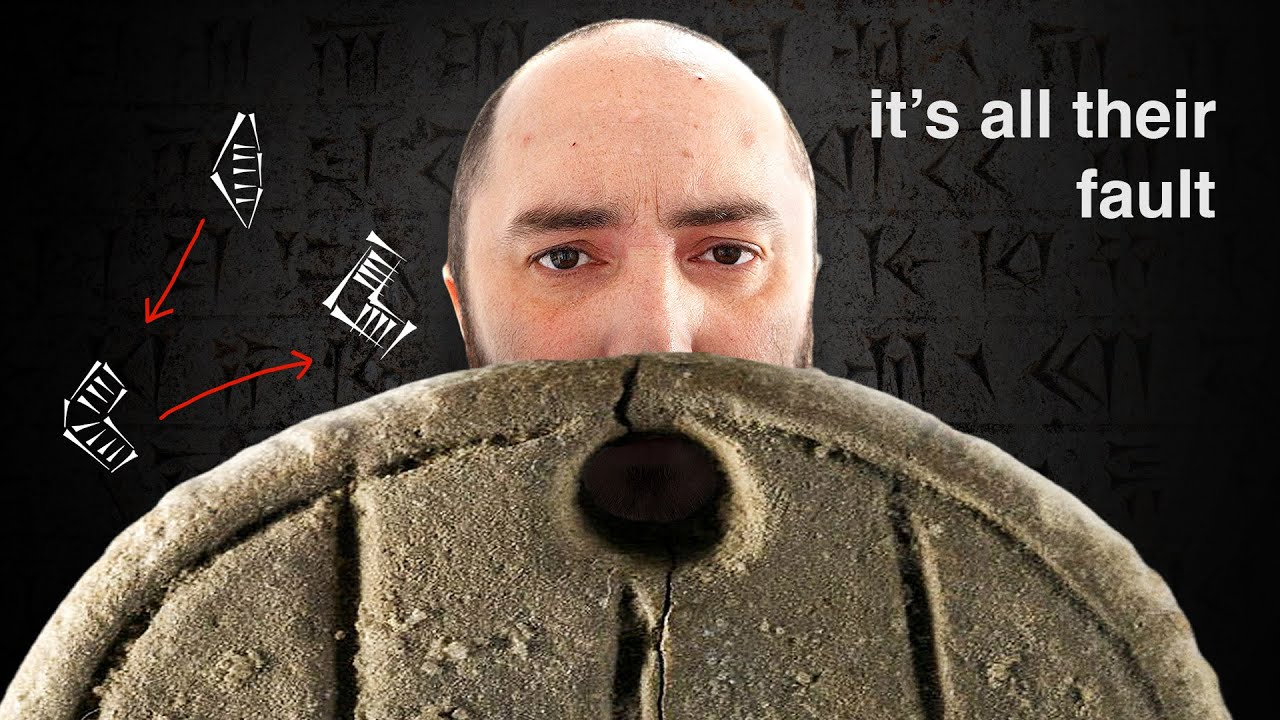
Before humans developed writing, there was something else β€” clay tokens. These simple, unassuming lumps of dried mud may seem ordinary at first glance, but they played a crucial role in human history.

Archaeologists believe that clay tokens were used to count, record, and organize information in early societies. They were the precursors to writing, allowing humans to track trade, property, and goods, and laying the foundation for administration and bureaucracy. In other words, these tiny artifacts may be responsible for some of the most powerful inventions of civilization:

  • Numbers and accounting systems

  • Early forms of record-keeping and administration

  • Board games and recreational uses

  • The development of complex bureaucracies

Over thousands of years, these humble clay tokens evolved into written symbols, eventually giving rise to the earliest forms of writing in places like Mesopotamia. They remind us that even the simplest tools can have profound impacts on society, shaping how humans communicate, govern, and organize their world.

πŸŽ₯ Watch the video below to explore the fascinating history of clay tokens and discover how these small pieces of mud helped shape human civilization:
← The Ice Age Secrets Hiding Beneath CaliforniaMOST Unsolved Bizarre Ancient Archaeological Mysteries Human Still Don’t Understand →
Featured
image_2026-02-08_140922212.png
Feb 8, 2026
Malta Resists: The (Great) Siege of Malta 1565
Feb 8, 2026
Read More →
Feb 8, 2026
image_2026-02-08_140758507.png
Feb 8, 2026
25 New Species Described in 2025
Feb 8, 2026
Read More →
Feb 8, 2026
image_2026-02-08_140548354.png
Feb 8, 2026
No One Knew This Door Existed
Feb 8, 2026
Read More →
Feb 8, 2026
image_2026-02-08_140330139.png
Feb 8, 2026
Europe's Astonishing Hunter-Gatherer Resurgence
Feb 8, 2026
Read More →
Feb 8, 2026
image_2026-02-08_140111796.png
Feb 8, 2026
The First Photographs Ever Taken of India (1860-1870 by Samuel Bourne) Old World Architecture
Feb 8, 2026
Read More →
Feb 8, 2026
image_2026-02-08_131221516.png
Feb 8, 2026
Ancient Civilizations That Hide Below The Sea | Underworld | Earth Stories
Feb 8, 2026
Read More →
Feb 8, 2026
read more

Powered by The archaeologist