• MAIN PAGE
  • LATEST NEWS
    • Lost Cities
    • Archaeology's Greatest Finds
    • Underwater Discoveries
    • Greatest Inventions
    • Studies
    • Blog
  • PHILOSOPHY
  • HISTORY
  • RELIGIONS
    • Africa
    • Anatolia
    • Arabian Peninsula
    • Balkan Region
    • China - East Asia
    • Europe
    • Eurasian Steppe
    • Levant
    • Mesopotamia
    • Oceania - SE Asia
    • Pre-Columbian Civilizations of America
    • Iranian Plateau - Central Asia
    • Indus Valley - South Asia
    • Japan
    • The Archaeologist Editor Group
    • Scientific Studies
    • Aegean Prehistory
    • Historical Period
    • Byzantine Middle Ages
    • Predynastic Period
    • Dynastic Period
    • Greco-Roman Egypt
  • Rome
  • PALEONTOLOGY
  • About us
Menu

The Archaeologist

  • MAIN PAGE
  • LATEST NEWS
  • DISCOVERIES
    • Lost Cities
    • Archaeology's Greatest Finds
    • Underwater Discoveries
    • Greatest Inventions
    • Studies
    • Blog
  • PHILOSOPHY
  • HISTORY
  • RELIGIONS
  • World Civilizations
    • Africa
    • Anatolia
    • Arabian Peninsula
    • Balkan Region
    • China - East Asia
    • Europe
    • Eurasian Steppe
    • Levant
    • Mesopotamia
    • Oceania - SE Asia
    • Pre-Columbian Civilizations of America
    • Iranian Plateau - Central Asia
    • Indus Valley - South Asia
    • Japan
    • The Archaeologist Editor Group
    • Scientific Studies
  • GREECE
    • Aegean Prehistory
    • Historical Period
    • Byzantine Middle Ages
  • Egypt
    • Predynastic Period
    • Dynastic Period
    • Greco-Roman Egypt
  • Rome
  • PALEONTOLOGY
  • About us

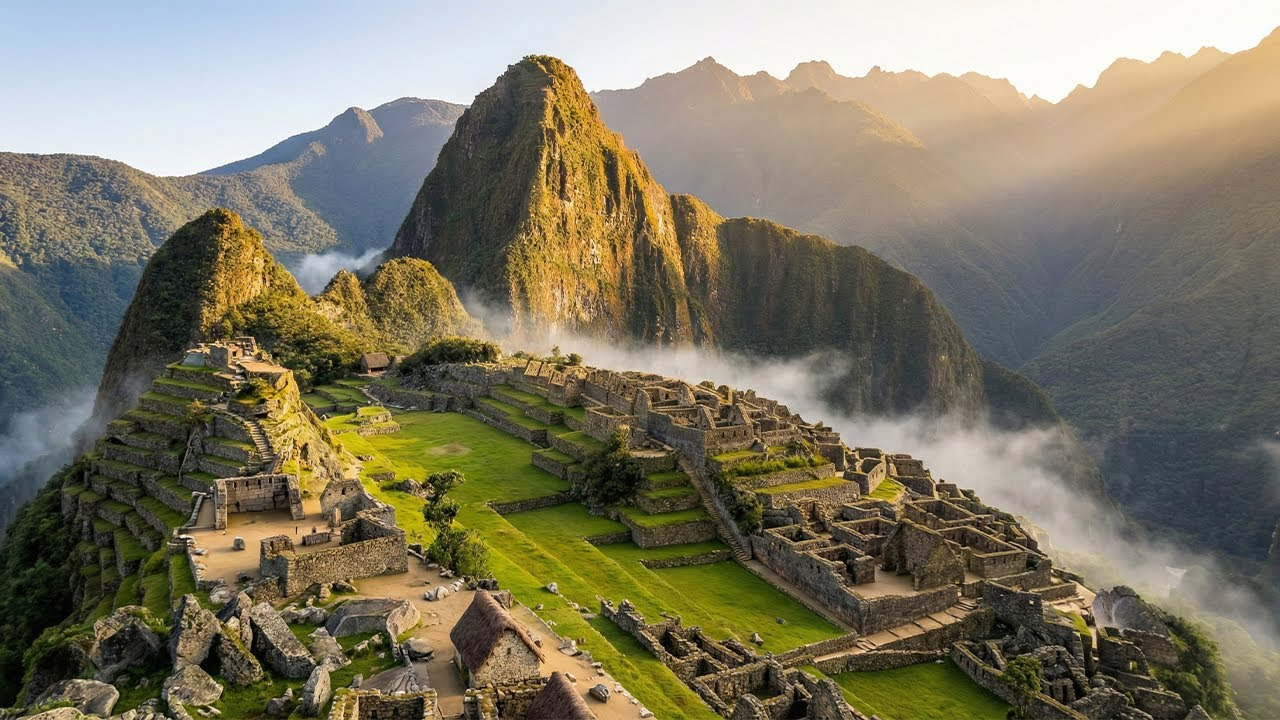
What Machu Picchu Looked Like in the 1400s (AI Reconstruction)

February 10, 2026

Machu Picchu Reborn: Step Into the Living Inca Citadel

For centuries, Machu Picchu has been seen as a mysterious ruin — bare stone walls clinging to a mountaintop, a “Lost City” frozen in time. But what if we could peel back the centuries and experience it as the Inca did? What did it sound like when the ritual fountains flowed? What did it feel like to walk beneath the golden thatch of the roofs, among a bustling population of priests, artisans, and nobles?

Thanks to advanced AI reconstruction and historical research, we can now bring the 15th-century citadel back to life — showing Machu Picchu as Emperor Pachacuti intended it, a thriving metropolis of ingenuity, spirituality, and art.

Engineering Paradox

Machu Picchu’s construction continues to baffle engineers today. The Incas moved 50-ton stones up steep Andean slopes without wheels or iron tools. How did they do it? Terraces, ramps, and precise planning allowed them to reshape the mountain itself — leaving a city that feels naturally integrated with its environment.

Hidden Infrastructure

Beneath the surface lies one of the greatest secrets of Inca engineering. Extensive underground foundations and drainage systems protect Machu Picchu from landslides and jungle encroachment. Water management was crucial: fountains, canals, and terraced irrigation ensured that the city thrived in a region prone to heavy rainfall.

Seismic Survival

Even today, Machu Picchu survives earthquakes that would destroy many modern buildings. The Incas’ use of interlocking stones, trapezoidal doors, and flexible masonry made their structures resistant to seismic activity — a reminder that ancient wisdom often surpasses modern engineering.

Daily Life in the Andes

Step inside the residential compounds (Kancha), the Temple of the Sun, and the plazas where life unfolded. Farmers tended terraces, priests performed rituals, and artisans carved stone with precision. This wasn’t a city of ruins — it was alive with culture, religion, and community, perched high in the Andes Mountains.

Why It Matters

Machu Picchu is more than a tourist destination. It’s a testament to human creativity, problem-solving, and adaptability. By reconstructing it in its original glory, we gain insight into a civilization that shaped history, not just a monument frozen in time.

🎥 Watch the video below to step into Machu Picchu as it truly was — a vibrant Inca city alive with life, sound, and ingenuity:
← 3 Hours of Prehistoric Structures Beyond Anything Humanity Can Imagine And MoreCalculus at a Fifth Grade Level →
Featured
image_2026-02-10_185844106.png
Feb 10, 2026
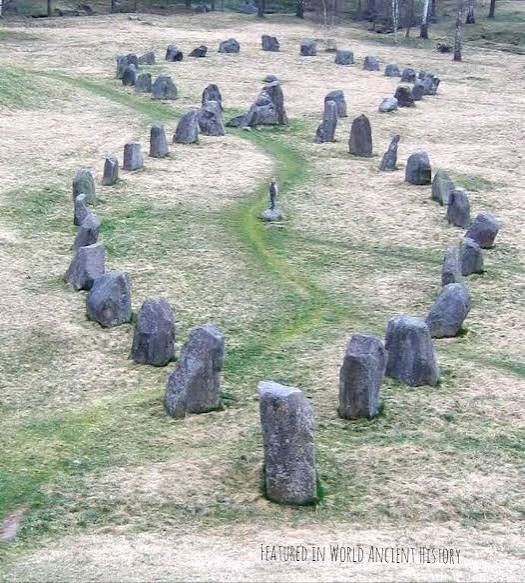
3 Hours of Prehistoric Structures Beyond Anything Humanity Can Imagine And More
Feb 10, 2026
Read More →
Feb 10, 2026
image_2026-02-10_183557964.png
Feb 10, 2026
What Machu Picchu Looked Like in the 1400s (AI Reconstruction)
Feb 10, 2026
Read More →
Feb 10, 2026
image_2026-02-10_182158882.png
Feb 10, 2026
Calculus at a Fifth Grade Level
Feb 10, 2026
Read More →
Feb 10, 2026
image_2026-02-10_181607488.png
Feb 10, 2026
Ancient Mummies Reveal a Ghost Lineage That Shakes Up Human Evolution
Feb 10, 2026
Read More →
Feb 10, 2026
image_2026-02-10_181228010.png
Feb 10, 2026
Why These 2,300-Year-Old Figures Look So Strange
Feb 10, 2026
Read More →
Feb 10, 2026
image_2026-02-10_181128822.png
Feb 10, 2026
Palaeolithic Europe: The Volcanic MEGA ERUPTION of 11,000 BC
Feb 10, 2026
Read More →
Feb 10, 2026
read more

Powered by The archaeologist