In the following video we will be talking about unique finds in Antarctica. Watch the video to find out more!
Searching for Gigantopithecus
In the following video we will take a look at the discovery of Gigantopithecus, and if it could be Bigfoot. Enjoy!
The Strange Hermit of Alnwick | Northumberland Folklore
In today’s video we will be telling the story of the strange Hermit of Alnwick and the three robbers of the 9 Year Aad Hole, a strange cave that is guarded by a solitary statue of a monk or friar. Enjoy!
Researchers looking for Cleopatra's tomb found a tunnel that was a "geometric miracle"
In 2022, archaeologists found a massive, magnificent tunnel beneath a temple in the ancient city of Taposiris Magna, which is now a ruin on the coast of Egypt. This tunnel has been dubbed a "geometric miracle" by specialists.

The tunnel beneath the temple at Taposiris Magna. (Egyptian Ministry of Tourism and Antiquities)
The structure was found 13 meters (43 feet) below the surface by Kathleen Martinez of the University of Santo Domingo in the Dominican Republic and colleagues during ongoing excavations and exploration of the temple. A remarkable 1,305 meters (4,281 feet) of sandstone had been hacked through to create the 2-meter-tall tunnel.
According to a statement by the Egyptian Ministry of Tourism and Antiquities in November 2022, it is strikingly comparable to the 1,036-meter Tunnel of Eupalinos, an aqueduct from the 6th century BCE on the Greek island of Samos. The conduit was unmatched in its day in terms of design and construction and is frequently referred to as an engineering wonder.

The tunnel resembles another, older tunnel from ancient Greece that was used to transport water. (Egyptian Ministry of Tourism and Antiquities)
The Taposiris Magna tunnel's engineering is as outstanding even though it is not without equal.
Despite the Taposiris Magna tunnel's similarities to the Eupalinos Tunnel and its submerged portions, its purpose is yet unknown.
Martinez, who has been working in Taposiris Magna to find the missing tomb of Cleopatra VII since 2004, thinks that the tunnel would be a good lead. In the past, the excavations have produced hints that appear to point to the well-known queen and the final Ptolemaic monarch.

The tunnel is hewn from the Egyptian bedrock. (Egyptian Ministry of Tourism and Antiquities)
Ptolemy II, the son of legendary general Alexander the Great and a forebear of Cleopatra (who ruled from 51 BCE until her suicide in 30 BCE), constructed Taposiris Magna circa 280 BCE.
The research team surmises that the temple was erected in honor of Cleopatra's favorite god, Osiris, and his consort, the goddess Isis. There have also been discovered statues of Isis as well as coins with the names and likenesses of Cleopatra, Alexander the Great, and other historical figures.
In the temple, burial shafts with Greco-Roman graves have also been discovered. If they are discovered at all, Cleopatra and her husband Mark Antony may have been buried in tombs that are comparable to these ones.
The tunnel's potential connection to these long-lost tombs was unknown to researchers, but further investigation may reveal more.

Alabaster heads were also found at the temple site. (Egyptian Ministry of Tourism and Antiquities)
Exploring the adjacent Mediterranean Sea will be the next step. A series of earthquakes that struck the coast between 320 and 1303 CE caused a portion of the temple to collapse and be engulfed by the waters. Additionally, prior excavations had uncovered a system of tunnels that connected Lake Mariout to the Mediterranean.
A thorough excavation of these ruins could reveal more information about the enigmatic old city, whether or not the tombs are discovered. Pottery fragments and a rectangular slab of limestone have already been found in the tunnel.
As the then-Minister for Antiquities Zahi Hawass stated 13 years ago, "If we discover the tomb of Cleopatra and Mark Antony, it will be the most important discovery of the 21st century. If we did not discover the tomb of Cleopatra and Mark Antony, we made major discoveries here, inside the temple, and outside the temple."
Spain's enigmatic hand-tied remains have archaeologists stumped
Six young men's ancient remains were discovered face-down, with their hands bound, and covered in stones in a cave on the Spanish island of Gran Canaria. The bones have baffled archaeologists for years, and they are desperate to solve the mystery.

Archaeologist Veronica Alberto from Tibicena, an archaeology company, works on the extraction of human remains, in Galdar, on the island of Gran Canaria, Spain, March 9, 2023. (Reuters Photo)
Evidence from the Caleta de Arriba site suggests that a terrible death occurred there centuries ago, maybe before the Spanish conquest of the archipelago off the coast of northwest Africa in the 15th century.
They are not buried strictly speaking... Veronica Alberto, who is in charge of the excavation, described this technique as a funerary one that "denotes very strong symbolic violence."

She told Reuters that the bodies had been thrown stones after being forcibly placed on the uneven area. On some of them, the limbs were bound or strapped.
"It might be an indigenous burial, but given the characteristics of the archaeological site, we need to broaden our thinking and take into account the possibility that they could be from other post-conquest eras, such as the 16th, 17th, or 18th centuries," Alberto continued.

Without artefacts, researchers are waiting for radiocarbon dating studies on the bones to assist them determine the time period.
The fact that they only discovered men led the archaeologists, who operate on the incline using safety ropes, to conclude that it was not a typical burial site. All six of the individuals had powerful arms, which indicated that they engaged in similar physical activity.

One of the Most Amazing Projects Ever: The Reviving of the Submerged Ancient Thracian City of Seuthopolis
Since time immemorial, human history has had a flair for the dramatic; tales of lost cities and ancient civilizations have captured our collective imagination. One such story that has recently become the center of archaeological attention is the submerged Thracian city of Seuthopolis. Located in modern-day Bulgaria, this ancient city has been hidden beneath the waters of the Koprinka Reservoir since the mid-20th century. However, thanks to a bold and innovative restoration project led by the Bulgarian government, this lost city is on the verge of seeing the light of day once again.
Seuthopolis was an ancient city established by and named after Seuthes III, who ruled the Odrysian Kingdom of Thrace from 331 to 300 BC. Located in what is now modern-day Bulgaria, it was the capital of the Odrysian kingdom and the personal residence of King Seuthes III.
Seuthopolis was founded around the end of the 4th century BC, during a period of political and military upheaval in Thrace caused by the campaigns of Philip II of Macedon and Alexander the Great. Seuthes III, a Thracian dynast, saw an opportunity in this turmoil and declared himself an independent king, founding Seuthopolis as his capital. The city was laid out on a Hippodamian grid plan, an urban planning design named after the Greek architect Hippodamus of Miletus. This design was characterized by a rectangular city layout divided into square blocks with streets intersecting at right angles, a model commonly used in the Hellenistic period.
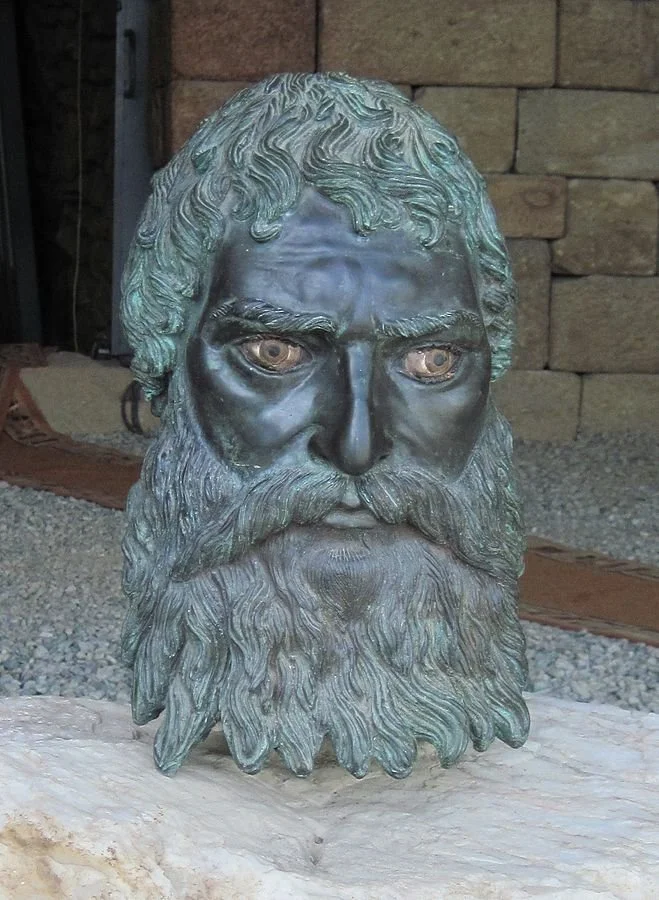
Reproduction of a bronze portrait bust of the Thracian king Seuthes III, found in his tomb outside Seuthopolis (Author: QuartierLatin1968)
Seuthopolis was surrounded by a fortification wall and had several city gates. Inside, the city was divided into residential, administrative, and sacred zones. The residential zone consisted of homes, while the administrative zone contained buildings for governance and other civic duties. One of the central features of the city was the palace of Seuthes III, a two-story building with a unique architectural design. This palace was surrounded by a fortified wall and had a sacred area within its premises, suggesting the dual role of the king as both a political and religious leader.
Life in Seuthopolis was typical of Hellenistic cities at that time. Archaeological findings suggest an advanced level of urban life with a developed economy based on agriculture, crafts, trade, and metallurgy. The city likely had a diverse population of Thracians, Greeks, and possibly other ethnicities, and it served as a vital center for the cultural, economic, and political life of the kingdom.
Discovering Seuthopolis
Seuthopolis thrived until the end of the 3rd century BC, after which it began to decline, possibly due to political instability and external invasions. By the end of the 1st century AD, during Roman rule, the city was largely abandoned.
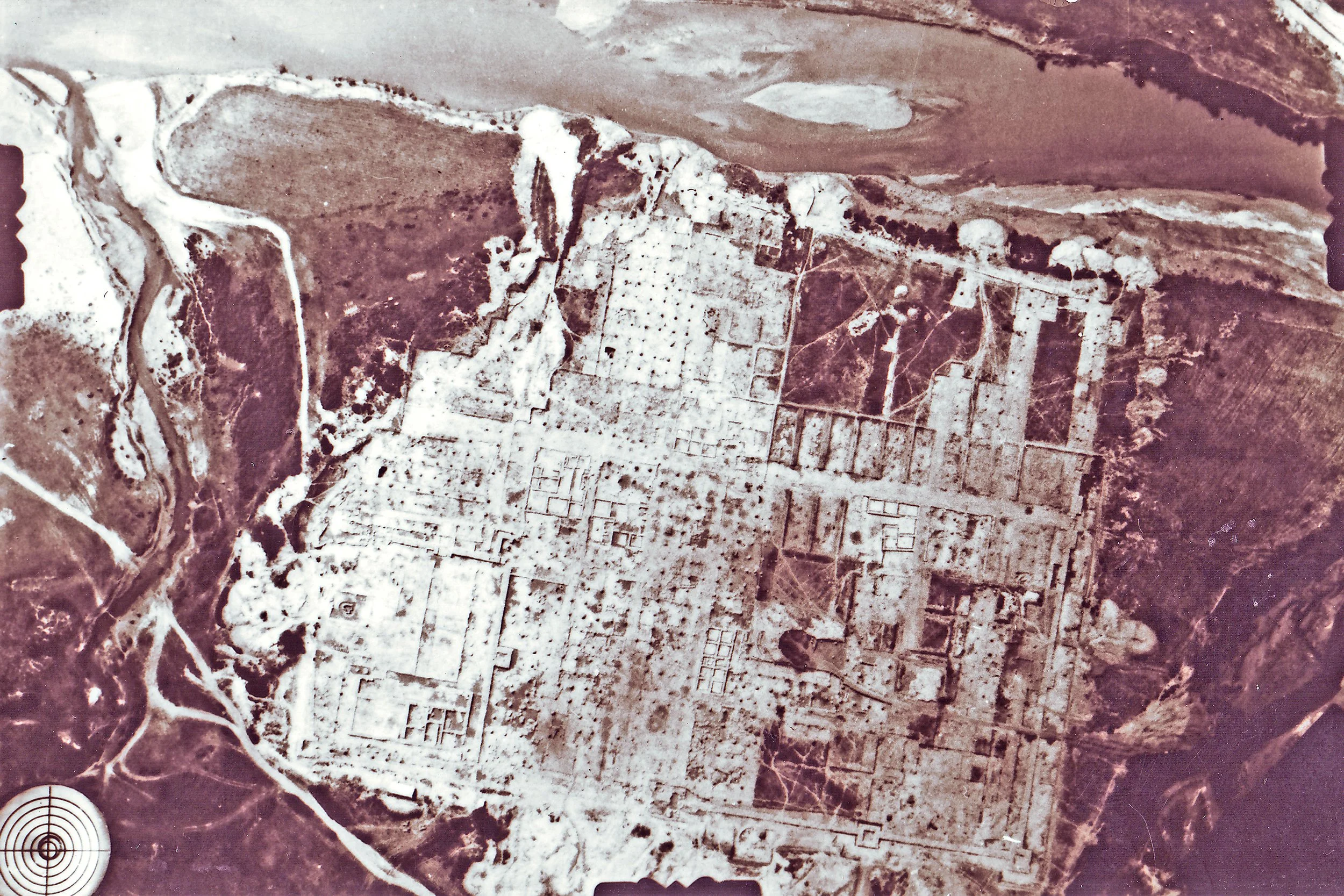
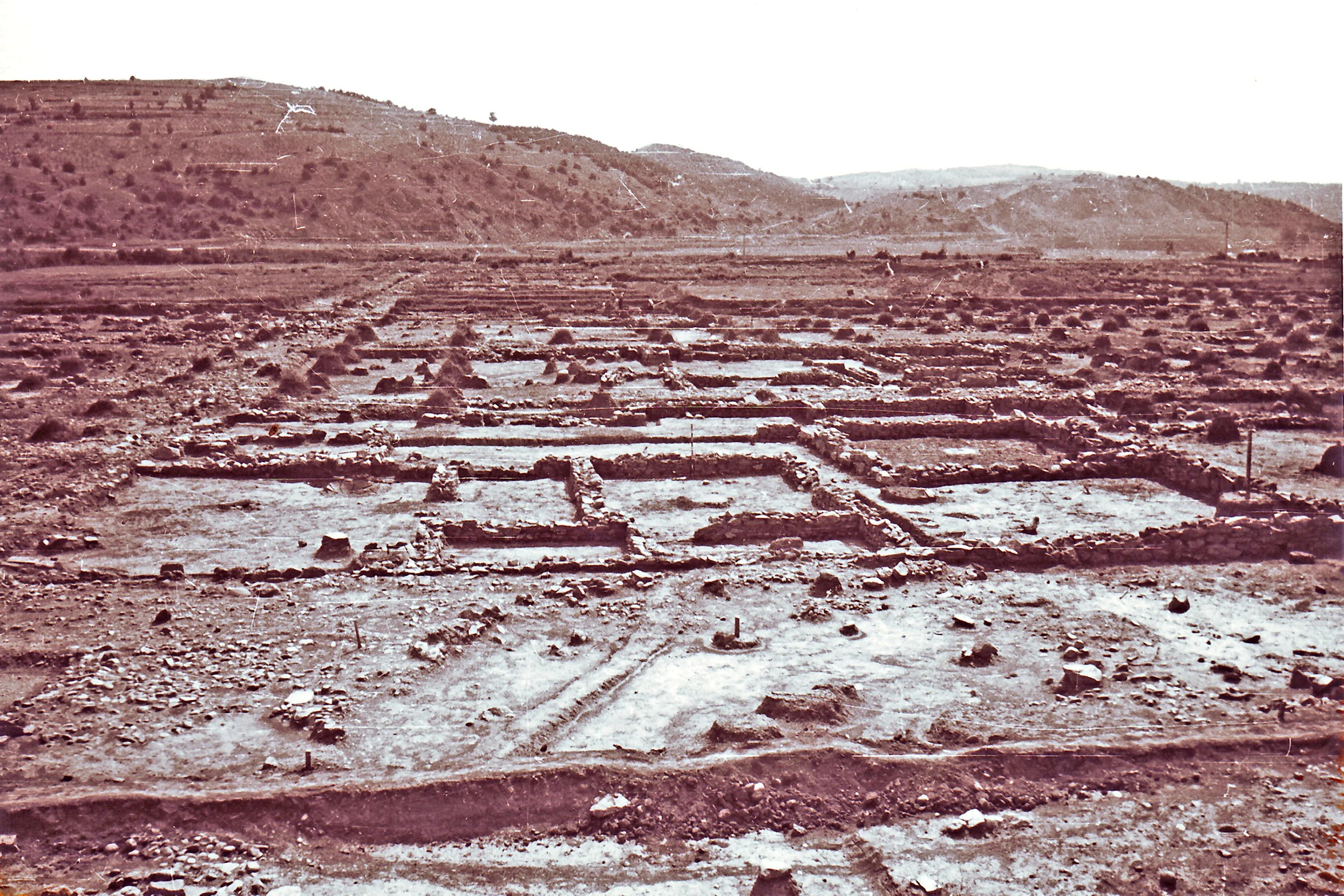
The ruins of Seuthopolis remained hidden until they were rediscovered in the 1940s during the construction of the Koprinka Reservoir. Despite its remarkable state of preservation, the decision was made to flood the area, submerging Seuthopolis under approximately 20 meters of water, in order to create the reservoir.
The city's unique urban planning, complete with fortified walls, administrative and religious buildings, residential quarters, and even a marketplace, provided invaluable insight into the Thracian civilization. The submerged city, therefore, became a treasure chest of information waiting to be opened.


The Restoration Project

Bulgarian architect Zheko Tilev
The vision to resurrect Seuthopolis first took root in the early 21st century. Bulgarian architect Zheko Tilev proposed the idea of constructing a circular dike around the city, thus allowing the water to be pumped out and revealing the city for study and tourism. His idea, however, remained dormant until it was adopted by the Bulgarian government in 2023.
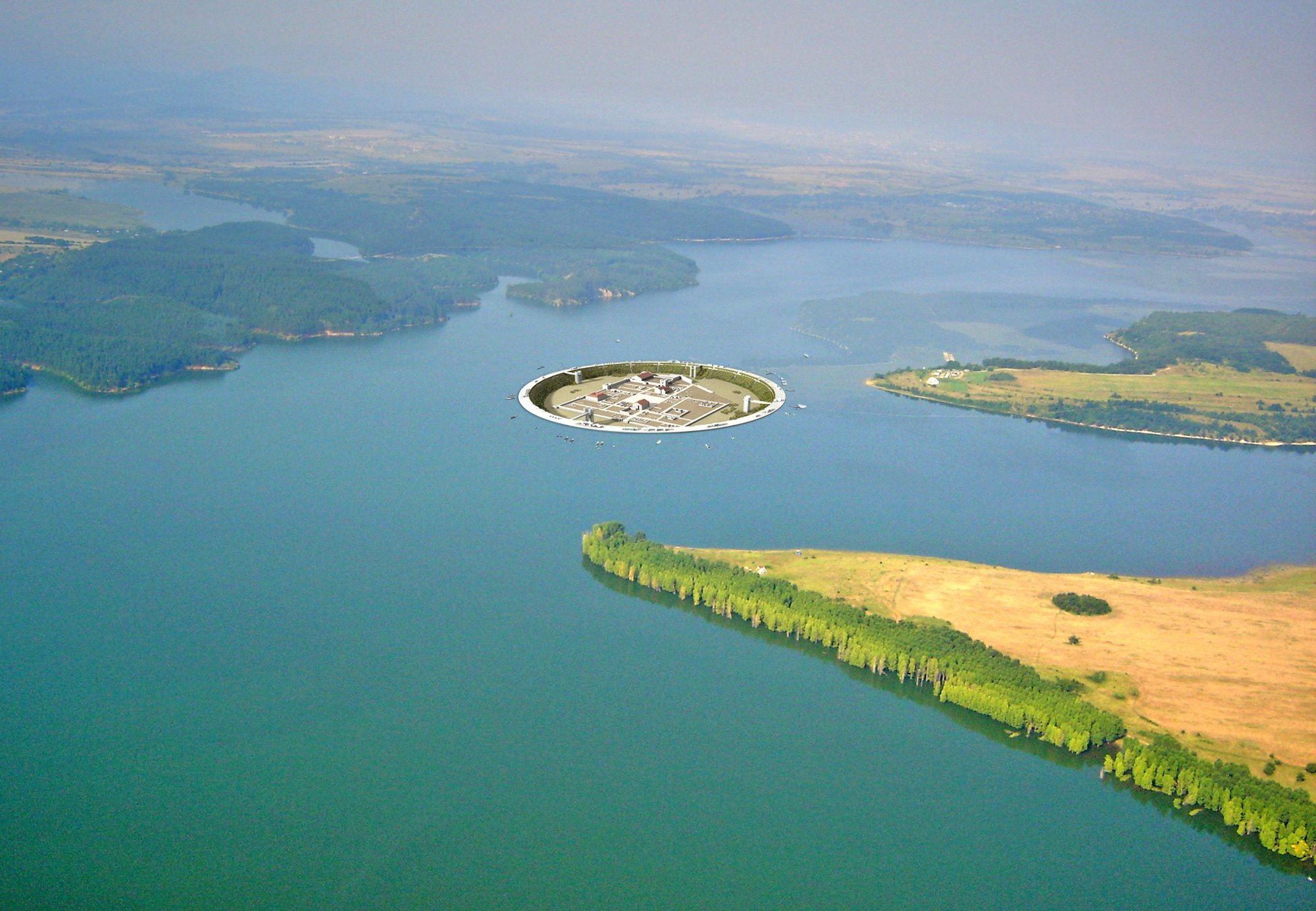
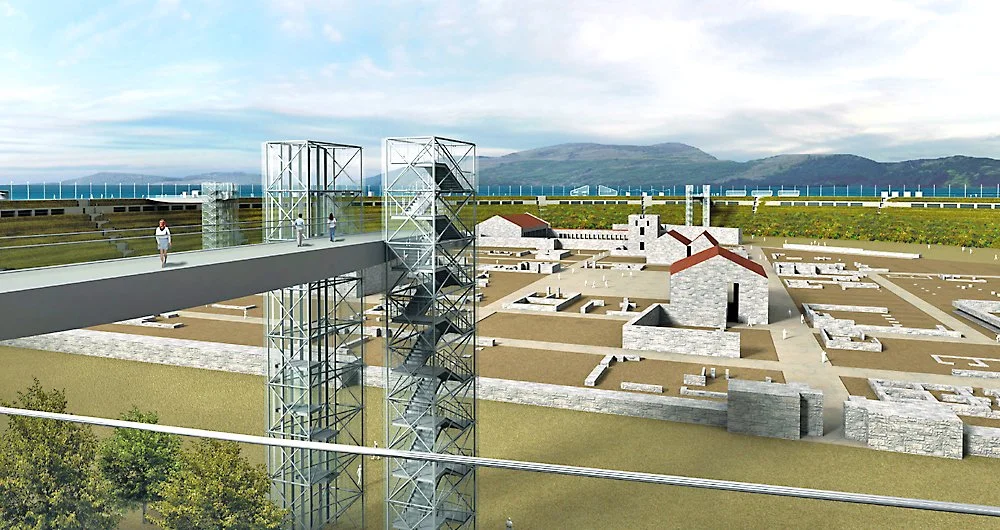
This groundbreaking project is not only about archaeology and history but also about engineering and architecture. It involves the construction of a 420-meter-diameter circular dike around Seuthopolis, effectively creating an artificial island in the middle of the reservoir. Once the water within this perimeter is pumped out, the city will rise once again, offering a unique view into the past.
The restoration project plans also include the construction of a museum, visitor center, and park, transforming the ancient city into a vibrant tourist hub. The project aims to merge the ancient and the contemporary, creating a space where visitors can explore Thracian history while enjoying modern amenities.

The Night-time Spectacle
From a distance, the Seuthopolis restoration site at night presents a captivating sight. The contrast of the dark night sky, the glowing artificial lights reflecting off the water, and the slowly emerging ancient city creates a surreal and majestic tableau. It is a testament to the combined efforts of the present to resurrect the past.
The project, once completed, also has plans for a nighttime spectacle for visitors. Architectural lighting will highlight the restored city's features, allowing visitors to appreciate the ancient Thracian architecture under the stars. The museum and visitor center will also host evening events, including educational programs, cultural performances, and other activities that bring Thracian history and culture to life.
The restoration of Seuthopolis is indeed a 24/7 endeavor, a project that holds great promise for the future of archaeological preservation and heritage tourism. At night, under the cover of darkness and the glow of artificial lights, the site becomes a symbol of human perseverance, ingenuity, and our enduring connection to the past.

Computer generated images from: Seuthopolis Project
Restoration Challenges and Progress
Though ambitious in its scope, the restoration project has not been without its challenges. The technical difficulties involved in constructing a circular dike in a reservoir while ensuring the structural stability of the ancient ruins are immense. Furthermore, the project also has to balance archaeological preservation with public accessibility, which often pose conflicting demands.
However, the Bulgarian government, working in collaboration with international archaeological and engineering teams, has made significant progress. As of 2023, the initial construction of the dike is underway, and the project has attracted global attention for its innovative approach to heritage management.
Implications for the Future
The Seuthopolis restoration project represents a new approach to archaeological preservation and heritage tourism. By transforming an ancient submerged city into a living museum, it is creating a unique model for other countries with similar hidden treasures. It is an effort that signifies the Bulgarian government's commitment to preserving and showcasing its rich history and cultural heritage.
As Seuthopolis gradually emerges from its watery grave, it promises to provide not just a snapshot of Thracian civilization but also a testament to modern human ingenuity. The restoration of Seuthopolis is a grand project in the truest sense, uniting past, present, and future in a symphony of discovery, innovation, and heritage.

Computer generated images from: Seuthopolis Project
Promoting Cultural Understanding and Exchange
Unveiling Seuthopolis is not just about the physical process of draining water and restoring buildings; it also involves the resurrection of an ancient culture and its integration into our modern understanding of history. The city is a treasure trove of information on Thracian life, governance, religion, and commerce. As such, the restoration project aims to foster cultural understanding and exchange by enabling people from all walks of life to learn about and appreciate this ancient civilization.
Computer generated images from: Seuthopolis Project
Environmental Considerations
A key aspect of the Seuthopolis restoration project is its commitment to environmental sustainability. Measures are being taken to ensure that the restoration does not adversely affect the surrounding ecosystem of the Koprinka Reservoir. The project employs modern environmental engineering techniques to minimize disruption to local wildlife and aquatic ecosystems.
The Road Ahead
While the journey is far from over, the Seuthopolis restoration project has already achieved a great deal. As the dike construction progresses and the city gradually resurfaces, the world watches with bated breath. The project has sparked global interest in Thracian history and culture and in the innovative methods being used to bring this ancient city back to life.
The restoration of Seuthopolis is a beacon of hope for other submerged cultural heritage sites worldwide. It shows that with the right blend of vision, will, and technological innovation, no part of our past is beyond reach. As the Bulgarian government continues its mission to resurrect Seuthopolis, it sends a powerful message about the importance of heritage preservation and the infinite possibilities of human innovation.
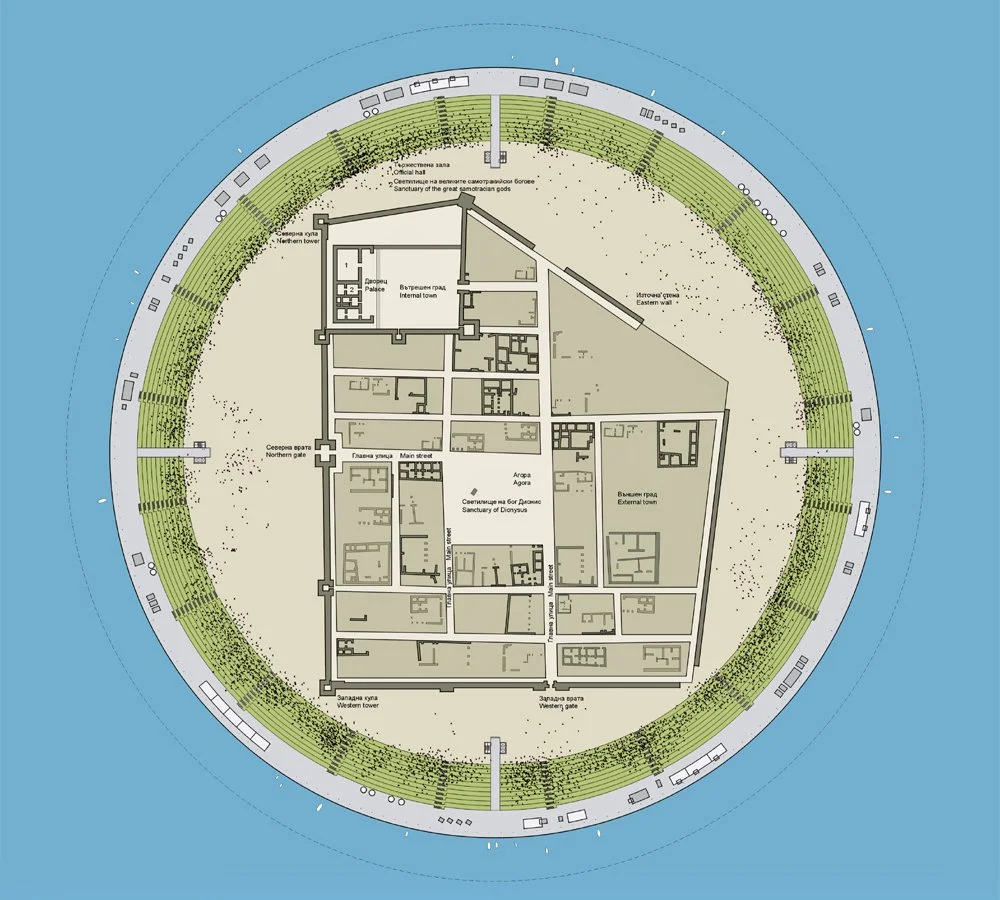
Computer generated images from: Seuthopolis Project
The restoration project of the submerged ancient Thracian city of Seuthopolis is a testament to the Bulgarian government's dedication to preserving its rich history and cultural heritage. As this ambitious project continues to unfold, it encapsulates the spirit of human curiosity and ingenuity, providing a model for the future of archaeological restoration and heritage tourism.
In the grand tale of human history, Seuthopolis is set to rise from its watery depths, not just as an archaeological site but as a symbol of the enduring legacy of our past and our unwavering resolve to reclaim it. As we look forward to the day when the city of Seuthes III stands proud once again, we are reminded that our shared history is a story of resilience and rediscovery, one that continues to unfold with each passing day.
Cosmic rays were used to discover an underground Greek tomb in Italy
The subterranean burial that was found is approximately 2,500 years old, but researchers hadn't been able prior to access all the Greek burials.

Illustrative image of an underground tomb.
According to a new study, cosmic rays and lasers were used to uncover a 2,500-year-old Greek settlement beneath Naples, Italy.
The study, published in the peer-reviewed journal Scientific Reports last month, states that catacombs of Christians who lived there during the Roman era were also discovered. The discovery was specifically located in the “Sanità” district near the center of the city.
According to the study, the researchers who took part already knew about the Greek burials but were unable to reach them until cosmic rays made it possible for them to look inside the archeological sites without having to dig. The process of the researchers' use of muography to find previously undetected subsurface voids is also described in depth.
Describing the muon
A muon is a subatomic particle that has a mass larger than that of an electron. Muons are created by cosmic rays in the Earth's atmosphere, and their traces were captured using nuclear emulsion technology.

Moon and Earth’s Atmosphere (credit: NASA)
The muons, which are "high energy charged particles produced by cosmic rays," were detected using detectors that could be found underground at a depth of 18 meters. This was done to track the muon flux over a number of weeks.
According to the analysis, the locations most likely date back to when Naples was still known as "Cumae." It was also known as Neapolis (New City).
Another significant archaeological find was made in Naples this month; according to a report from last week, archaeologists from two Naples-area institutions discovered the ruins of an ancient temple that had been submerged in the western Mediterranean off the city's shore. The Nabatean temple, which was erected in honor of the god Dushara, is thought to have existed while the Phlegrean Peninsula was inhabited by the Nabataeans.
New Giant Hidden City Found in the Grand Canyon Holds Shocking Secrets
The Grand Canyon is one of the most spectacular natural wonders of the world, attracting millions of visitors every year. However, the canyon has always held a deep mystery that has intrigued archaeologists and explorers for centuries. What is that mystery you ask? Well, you just gotta watch the video to find out!
Evidence of human migrations throughout the cold period from China to the Americas and Japan
Researchers have followed a female lineage from northern coastal China to the Americas using mitochondrial DNA. The team discovered evidence of at least two migrations by combining modern and ancient mitochondrial DNA: one during the last ice age and one during the melting period that followed.

Graphical abstract showing ice age migration routes from northern coastal China to the Americas and Japan. Credit: Li et al.
Another branch of the same lineage may have traveled to Japan about the same time as the second migration, which could account for the parallels in Paleolithic archaeological sites in the Americas, China, and Japan. The work is published online in Cell Reports on May 9 2023.
According to primary author Yu-Chun Li, a genetic anthropology at the Chinese Academy of Sciences, "The Asian ancestry of Native Americans is more complicated than previously indicated." We demonstrate that northern coastal China also contributed to the gene pool of Native Americans in addition to the previously mentioned ancestral sources in Siberia, Australo-Melanesia, and Southeast Asia.
Despite the long-held belief that Native Americans were descended from Siberians who traversed the transitory land bridge of the Bering Strait, more recent genetic, geological, and archaeological data points to the possibility of numerous waves of migration of humans to the Americas from other regions of Eurasia.
A team of researchers from the Chinese Academy of Sciences followed the path of a potential ancestral lineage that connects East Asian Paleolithic-age populations to founding populations in Chile, Peru, Bolivia, Brazil, Ecuador, Mexico, and California in order to shed light on the history of Native Americans in Asia. Mitochondrial DNA, which can be utilized to determine kinship through the female line, contains the questioned lineage.
After examining more than 100,000 modern and 15,000 ancient DNA samples from all around Eurasia, the researchers were able to pinpoint 216 modern and 39 ancient people who belonged to the uncommon ancestry. The researchers were able to determine the lineage's branching history by contrasting each of these individuals' accumulated mutations, geographic locations, and carbon-dated ages.
They were able to pinpoint two migration events from northern coastal China to the Americas, and they believe that in both instances the migrants arrived in America more likely via the Pacific coast than the inland ice-free route (which would not have been open at the time).
During the Last Glacial Maximum, when ice sheet covering was at its highest and conditions in northern China were probably unfavorable for humans, the first radiation event took place between 19,500 and 26,000 years ago. Between 19,000 to 11,500 years ago, during the ensuing deglaciation or melting era, the second radiation took place. At this time, there was a substantial rise in human numbers, perhaps brought on by the improving climate, which may have encouraged migration to new areas.
A surprising genetic connection between Native Americans and Japanese people was also found by the researchers. Another group split off from northern coastal China during the deglaciation and migrated to Japan. We were shocked to see that this ancestor also contributed to the gene pool in Japan, particularly the native Ainus, adds Li.
The Paleolithic populations of China, Japan, and the Americas have many archaeological features, which is explained by this discovery. The three areas were particularly similar in how they made stemmed projectile tips for spears and arrowheads. According to lead author Qing-Peng Kong, an evolutionary geneticist at the Chinese Academy of Sciences, "this suggests that the Pleistocene connection among the Americas, China, and Japan was not confined to culture but also to genetics."
Y chromosomal DNA provides complementary evidence that Native American male ancestors also existed in northern China at about the same period as these female ancestors, despite the study's focus on mitochondrial DNA.
Native American ancestry is now part of the picture, but there are still many unanswered questions. According to Kong, "the origins of several founder groups are still elusive or debatable." Next, in order to get a fuller picture of Native Americans' ancestry, we intend to gather and research more Eurasian lineages.
Terrifying New Discovery Under Antarctica's Ice Changes Everything
Antarctica, the world's southernmost continent, remains one of the most mysterious places on the entire planet. For millennia, its vast, frozen terrain has caught the interest of explorers and scientists, and it continues to reveal secrets that challenge our knowledge of the natural world. In recent years, a team of scientists has been undertaking an important study deep beneath Antarctica's ice surface. Their findings are nothing short of astounding, and they have the potential to change our understanding of the world. Join us as we explore this mysterious world.
Archaeologists are in Disbelief! Ancient Egyptians Found in America
In a groundbreaking discovery that could rewrite history, archaeologists have unearthed enigmatic artifacts at the heart of the Grand Canyon, suggesting an astonishing connection between the majestic natural wonder and the distant world of Ancient Egypt. This unprecedented find raises a million questions, as researchers delve deeper into the mysterious intersection of two vastly different civilizations, separated by oceans and time, yet brought together by the sands of the canyon.
Asking AI how each country looked in the 17th century
In this video we will be exploring various countries during the 17th century, as depicted by AI. Enjoy!
Ancient human DNA discovered in tooth jewelry dating back 25,000 years
Thanks to DNA preserved in the artifact, researchers have determined that a tooth pendant found in southern Siberia's Denisova Cave belonged to a lady who lived between 19,000 and 25,000 years ago.

A top view of the pierced elk tooth discovered in the Denisova Cave in southern Siberia - Copyright MAX PLANCK INSTITUTE FOR EVOLUTIONARY ANTHROPOLOGY/via REUTERS
The DNA of the owner of a deer-tooth jewelry that was buried in a remote Siberian cave for tens of thousands of years has been found by a group of researchers located in Germany.
It is believed that the antique jewelry, which was discovered in southern Siberia's Denisova Cave, belonged to a woman who lived between 19,000 and 25,000 years ago.
The Max Planck Institute for Evolutionary Anthropology's Elena Essel claims that she and her colleagues created and applied a novel method to extract DNA from an artifact.

The entrance to the Denisova Cave in southern Siberia where the tooth was foundCopyright Richard G. Roberts/Handout via REUTERS
Archaeologists are now able to retrieve genetic evidence of ancient humans from the physical artifacts they have left behind after their deaths. This process is inspired by how police solve crimes using "touch DNA," or, to put it another way, utilizing DNA left over after a person touches an object.
Before the development of this new method, scholars could only connect an artifact to a person if they had been buried wearing it. The new technique will make it possible to determine the biological sex and genetic heritage of the person who previously owned or worn a certain item.
However, because teeth and bones are porous enough to absorb human DNA from contact with bodily fluids like blood, sweat, and saliva, the new DNA extraction method can currently only be used to identify who used specific artifacts in daily life. Fortunately for scholars, however, the bones and teeth of animals and, on occasion, humans were commonly employed in ancient times in the construction of ordinary tools, religious objects, and jewelry, like this pendant. This was due to a scarcity of easily available materials thousands of years ago.
According to our hypothesis, the likelihood that a significant amount of DNA is present in the substance increases with the length of intimate body contact... However, we are unsure of whether we are talking about days, months, years, or decades," Essel says.

Scientist Elena Essel of the Max Planck Institute works in their laboratory in Leipzig, Germany on the pierced elk toothCopyright Max Planck Institute for Evolutionary Anthropology/Handout via REUTERS
These researchers, who have been fascinated by the Denisova Cave for decades, have made a significant finding using the information they have gleaned from the tooth pendant.
Along with Homo sapiens, Neanderthals, and another extinct human species known as Denisovans have all lived there in the past. The cave is the key to a wealth of knowledge about our prehistoric predecessors for the study team.
It was discovered that the tooth belonged to a wapiti deer, or an elk, thanks to the novel procedure that allowed the researchers to recover the DNA of the animal. They recovered human DNA from the tooth's pores using the same technique, concluding that the genetic material came from a girl whose ancestry is most akin to Native Americans and Siberians who lived farther east than the cave.
With the use of science, they were also able to estimate the pendant's construction date, which coincided with earlier investigations into the radiocarbon dating of the layer of cave floor silt where the artifact was found.

An artistic interpretation of an ancient pendant made with an elk tooth, found at the Denisova Cave in southern SiberiaMyrthe Lucas/Handout via REUTERS
Archaeologists are now able to comprehend historical cultures with a level of depth that has never before been feasible thanks to the DNA technology, which represents a significant advancement in ancient world studies.
Marie Soressi, a co-author from the Netherlands' Leiden University, explained the significance of the discovery as follows: It's incredible. It implies that we'll be able to respond to really basic queries like what jobs men and women were performing at the time. We'll have concrete evidence to support our claims.
Most Expensive Gemstones In The World
Brilliant and beautiful, every gemstone has value, especially to the owners. But have you ever wondered which of the many beautiful sparklers Mother Nature has gifted the world with are the most valuable?
When Archaeologists Wiped Away The Dust Inside Jesus’ Tomb, They Made An Epic Discovery
In Jerusalem archeologists exhume a burial chamber accepted to be the resting spot of Jesus Christ. The experts reveal a cavity stuffed with dust and debris after cutting through stone. Then at that point after they gather up hundreds of years of grime, the gathering prise open the tomb. Watch the video to find out more!
There Shouldn't Be Monkeys In South America
Primates are super common in South America, living almost anywhere you can find trees. But as it turns out, we don't have a simple explanation for how their evolutionary ancestors got there... except, maybe rafts?
Strange Discoveries From The Bible
In the following video we will investigate some strange discoveries from the Bible. Watch the video to find out more!
Reveling Discovery Of Cleopatra's Tomb At Egyptian Site Changes History
In the world of archaeology, few discoveries are as exciting and monumental as uncovering secrets from the past that rewrite the history books. And that's exactly what happened at Cleopatra's Tomb in Egypt. Join us as we delve deep into the past and uncover the shocking truth behind this discovery. Could this be the missing piece that completes the puzzle of one of history's most fascinating eras?
The Real Reason Sudan’s Dazzling Ancient Pyramids Were Shunned From The History Books
A dazzling civilization flourished in Sudan nearly 5,000 years ago. Why was it forgotten?
On the banks of the Nile River in eastern Sudan, the desert landscape is broken up by an unlikely sight. Towering towards the sky are a series of stone and granite pyramids, some reaching almost 100 feet high. But unlike their counterparts in Egypt, these monuments were largely written out of the history books – and remain relatively unknown to this day.
10 Most Amazing Things Ever Found Underwater
With so much of the Earth’s surface covered in water, it’s no surprise that there are some pretty unbelievable findings beneath the water. Scientists and divers have discovered a bunch of things that would shock you, including entire cities, pyramids, and maybe even a UFO.
One of the most astonishing underwater cities is known as Heracleion. It sunk to the bottom of the Mediterranean Sea and wasn’t discovered until the year 2000. French archaeologists found statues of ancient Pharaohs, works of art, gold coins, and a fleet of ships. Another city was sunk on purpose by the Chinese government, and it wasn’t rediscovered until 1959. Lion City is still in flawless condition, and the water has actually helped to preserve its ancient artefacts and structures.
Hidden cities aren’t the only things that have been found below the water. A river was found with its very own waterfalls, trees, and leaves right below the Black Sea! It's like an entirely different world hidden beneath the surface of the water! There’s absolutely no limit to what you may find the next time you go deep sea diving. But if you don’t have any plans on exploring the abyss of the ocean anytime soon, we have pictures of some of the hidden deep sea and ocean gems that will surely shock you.
If you would like to see the 10 most amazing things ever found underwater, make sure to watch our video. Let us know in the comments section which of these items is the most amazing to you!