By demonstrating that the Etruscans were deeply rooted in the European Bronze Age and possessed significant Steppe ancestry, archaeogenetics inadvertently solved an old mystery only to create a profound new historical paradox.
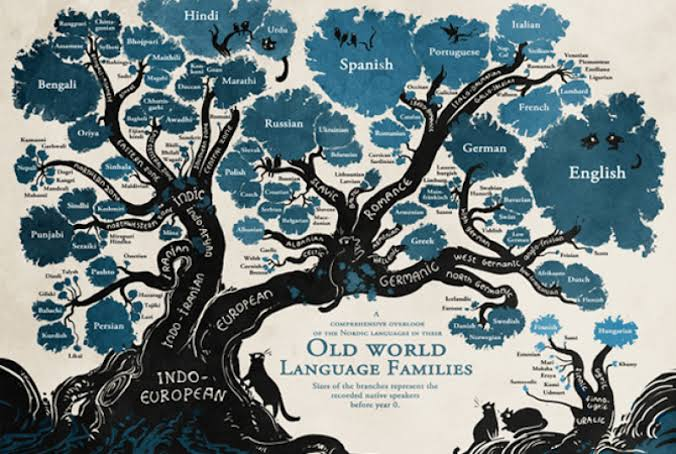
In the field of archaeogenetics, Steppe pastoralist ancestry (Yamnaya-related) is widely recognized as the primary demographic vector that spread Indo-European languages (such as Latin, Greek, Celtic, Slavic, and Germanic) across the European continent. Everywhere else this DNA signature arrived, it was accompanied by a total linguistic replacement. Yet, the Etruscans possessed just as much Steppe DNA as the Latin-speaking Romans, but they stubbornly maintained a completely non-Indo-European language isolate belonging to the extinct Tyrsenian language family.
How could a population receive nearly thirty percent of its gene pool from Steppe-derived migrants without adopting their language? To resolve this, geneticists, anthropologists, and historical linguists formulated the Elite Assimilation Model:
The Elite Assimilation Model: The Steppe-derived groups who filtered down into Central Italy during the mid-to-late Bronze Age (around 1600–1200 BCE) did not arrive as an overwhelming, conquering army that eradicated the local populations. Instead, they arrived in smaller, steady, iterative migratory waves. These newcomers intermarried with the highly organized, dense, and culturally resilient pre-Indo-European populations of Etruria. Crucially, the incoming groups were thoroughly integrated into the pre-existing linguistic and social framework of the region. The indigenous Etruscan language survived the genetic turnover, demonstrating that a major genetic transformation does not automatically force a linguistic shift.