Ancient Egyptian Temples: The Luxor Temple and the Opet Festival
Introduction
Ancient Egyptian temples were centers of religion, government, and culture. One of the most important temples was Luxor Temple, located in ancient Thebes (modern Luxor, Egypt). The temple played a key role in the Opet Festival, one of the most significant religious celebrations in Ancient Egypt.
Luxor Temple
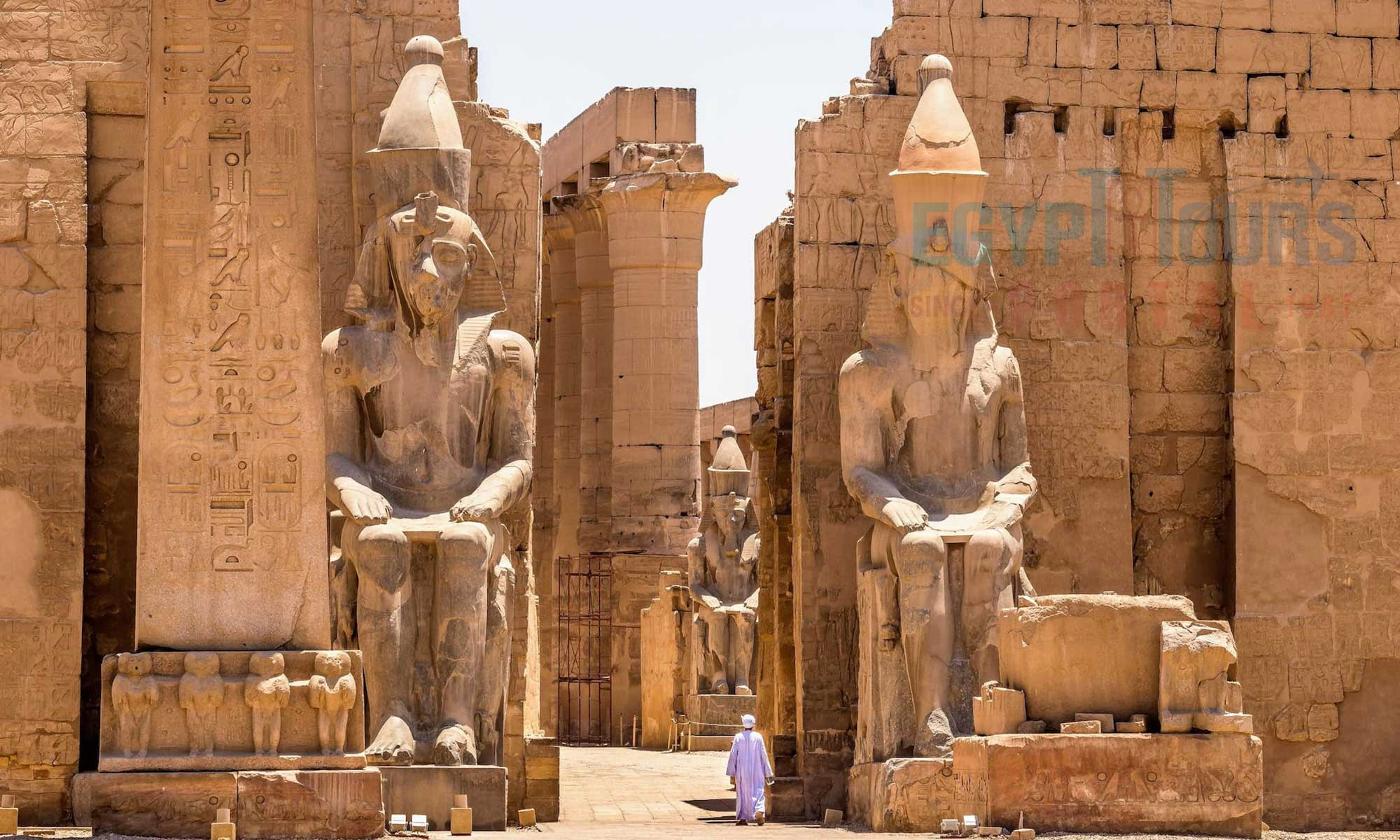
Luxor Temple was primarily built during the reign of Amenhotep III in the 14th century BCE and later expanded by Ramesses II.
Features of the Temple
Massive entrance pylons
Colossal statues of pharaohs
Large courtyards
Grand colonnades with towering columns
Sacred chambers and sanctuaries
Unlike many Egyptian temples dedicated mainly to gods, Luxor Temple was closely associated with kingship and the divine authority of the pharaoh.
The Opet Festival
The Opet Festival was an annual religious celebration held in Thebes to honor the god Amun, his wife Mut, and their son Khonsu.
Purpose
The festival aimed to:
Renew the pharaoh's divine power
Strengthen the connection between the king and the gods
Celebrate fertility and prosperity
Reinforce social and religious unity
The Procession
During the festival:
Sacred statues of Amun, Mut, and Khonsu were placed on ceremonial boats called barques.
The statues traveled from Karnak Temple Complex to Luxor Temple.
Priests, musicians, dancers, and citizens participated in the celebration.
Rituals and offerings were performed inside Luxor Temple.
The procession symbolized renewal and divine blessing for both the pharaoh and the kingdom.
Religious Significance
The Opet Festival emphasized the belief that the pharaoh ruled with the approval of the gods. By participating in sacred rituals, the king reaffirmed his role as the intermediary between the gods and the Egyptian people.
Political Significance
The festival also had political importance because it:
Strengthened the legitimacy of the pharaoh
Demonstrated royal power
Promoted unity throughout the kingdom
Reinforced the connection between religion and government
Conclusion
Luxor Temple was one of the most important religious monuments of Ancient Egypt. As the central site of the Opet Festival, it served as a place where religion, politics, and culture came together. The temple and its annual festival helped maintain the authority of the pharaoh and reflected the deep spiritual beliefs of Egyptian civilization.