One small artifact opened up a world of discovery of a Neolithic civilization with a remarkably advanced social structure.
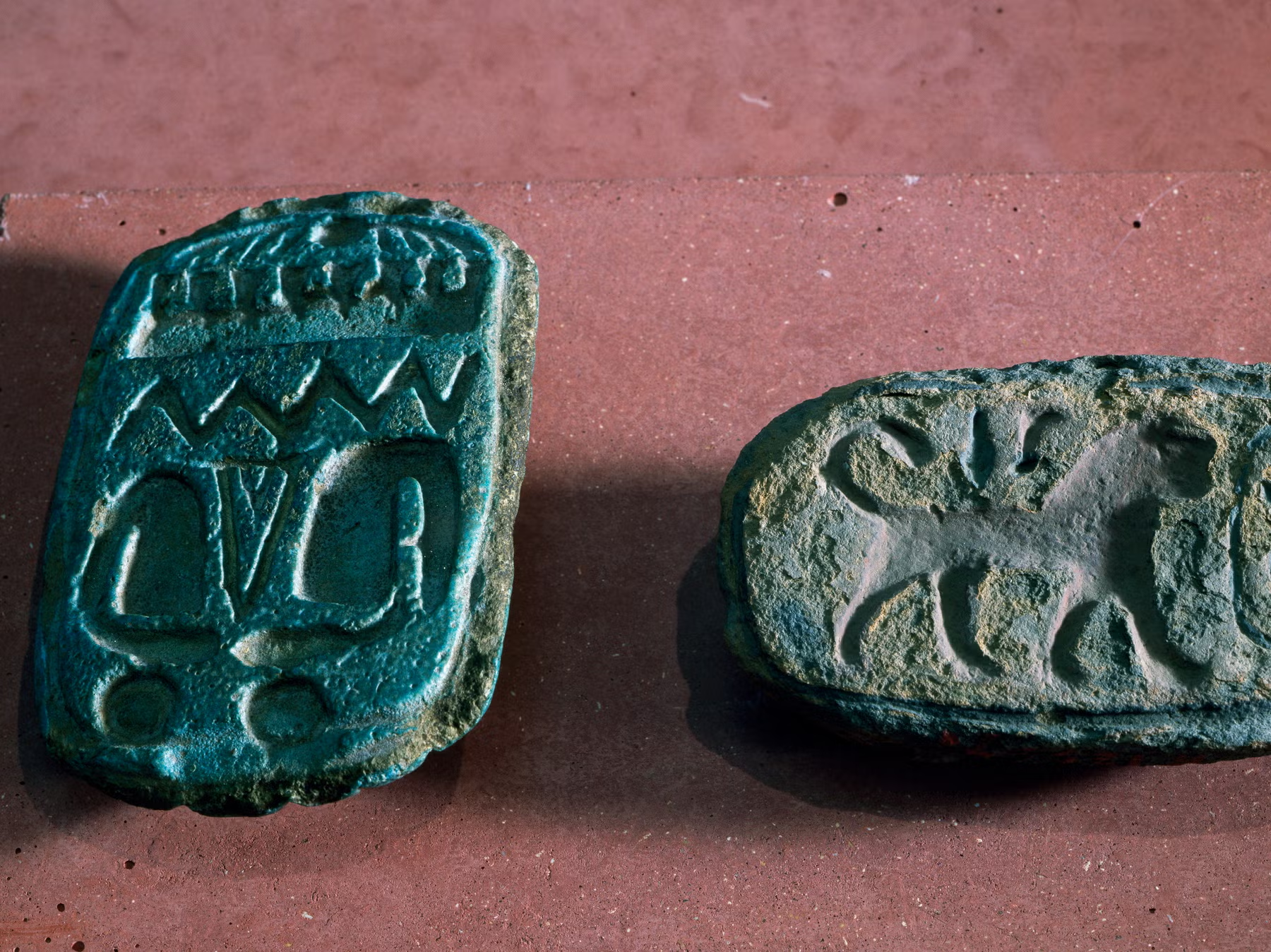
Neolithic Stone Seal Sheds Light on Early Social Organization
Archaeologists at Tadım Fortress in Elazığ, eastern Türkiye, have uncovered a 7,500-year-old stone seal, offering a rare glimpse into the lives of Neolithic people. The artifact predates the Urartu kingdom and suggests that complex social structures, economic practices, and personal identification systems were emerging long before more widely known ancient civilizations.
While the exact use of the seal is unknown, it may have functioned as:
A marker of property or ownership
A personal identifier
A tool for agricultural trade, similar to another local seal used in grain transactions
These possibilities indicate early administrative and economic sophistication in the region. The seal is part of a broader excavation overseen by the Elazığ Museum and Provincial Directorate of Culture and Tourism, under Türkiye’s Heritage for the Future Project.
Other discoveries at Tadım Fortress highlight ritual and social practices:
A recently discovered temple dating to the Late Chalcolithic/Early Bronze Age (~6,000 years ago) features a stone altar with a blood channel, showing evidence of animal and human sacrifice.
Artifacts from Byzantine, Roman, Seljuk, and Ottoman periods lie above the Neolithic layers, showing the site’s long history of occupation.
Governor Numan Hatipoğlu remarked that the findings demonstrate the region was not only inhabited early but also had sophisticated cultural, economic, and social practices, influencing later civilizations.
In short, this small stone seal provides a window into advanced social and economic life in Neolithic Türkiye, revealing that organized societies with property markers and trade mechanisms existed thousands of years before the classical civilizations of the region.