The picturesque medieval village in North Yorkshire has stunning historic landmarks and beautiful vistas - perfect for a peaceful weekend escape.

It's the perfect getaway for those seeking tranquillity and beauty
A charming village in North Yorkshire is home to a hidden treasure that visitors simply can’t resist. Nestled in the region’s stunning countryside, this tranquil spot has earned praise as the perfect escape for anyone looking to unwind and recharge—and it’s easy to see why.
The medieval village offers a unique glimpse into England’s rich history, all while showcasing stunning attractions and breathtaking views. Appleton-le-Moors, a village and civil parish in the North York Moors National Park, lies about two and a half miles northeast of Kirkbymoorside. It is also conveniently close to Pickering and blends seamlessly into the neighboring villages of Spaunton and Lastingham, perched on the edge of the open moorland.
With a modest population of just 161, according to the 2021 census, Appleton-le-Moors derives its name from an Old English term meaning “apple orchard.” Often cited as a near-perfect example of a planned village in the UK, it boasts a strong sense of community. Perched on a hillside above a bend in the River Seven, the village is surrounded by fertile farmland crisscrossed with footpaths—making it a dream destination for walkers seeking picturesque landscapes.
Mentioned in the renowned Domesday Book, Appleton-le-Moors has preserved its traditional medieval layout and remains a point of archaeological interest. The village is a treasure trove of historical finds, including a medieval oven, flint tools, and Roman coins.
Hidden gem church
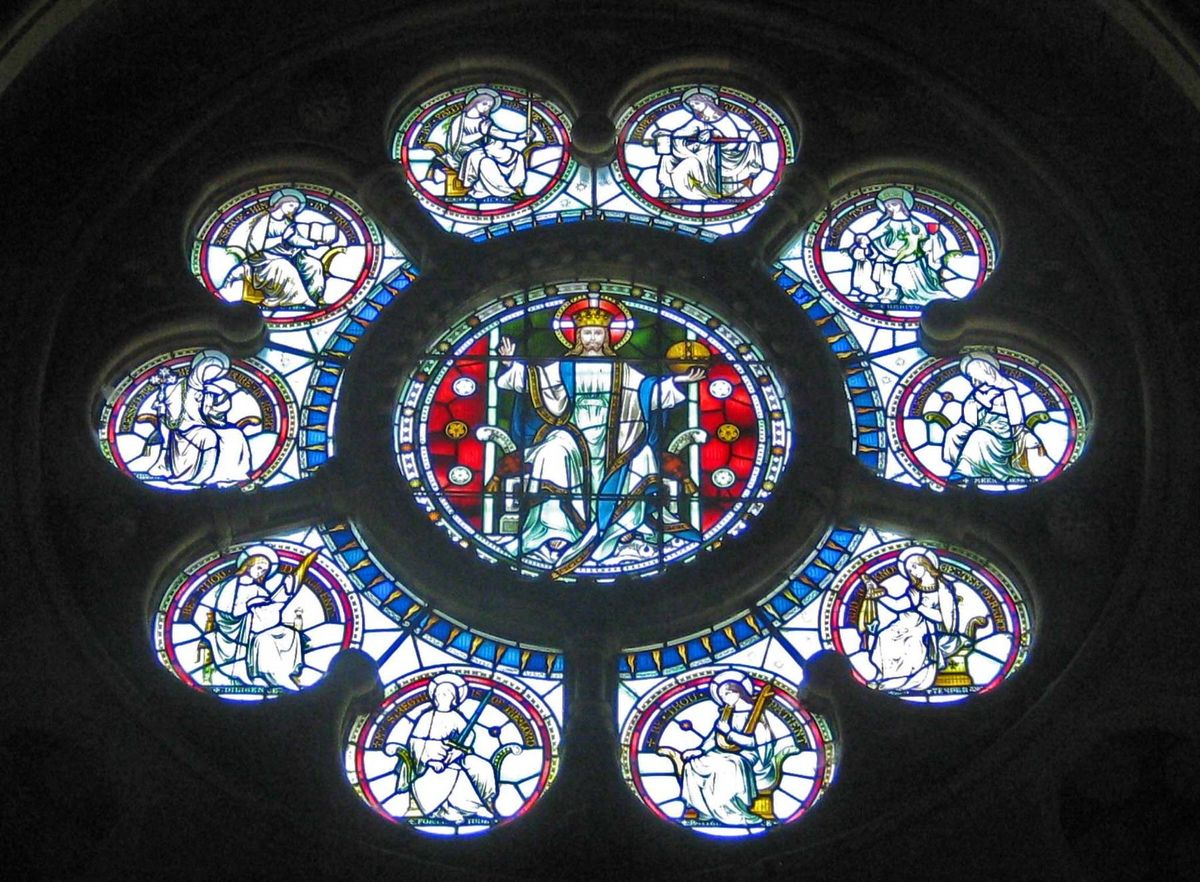
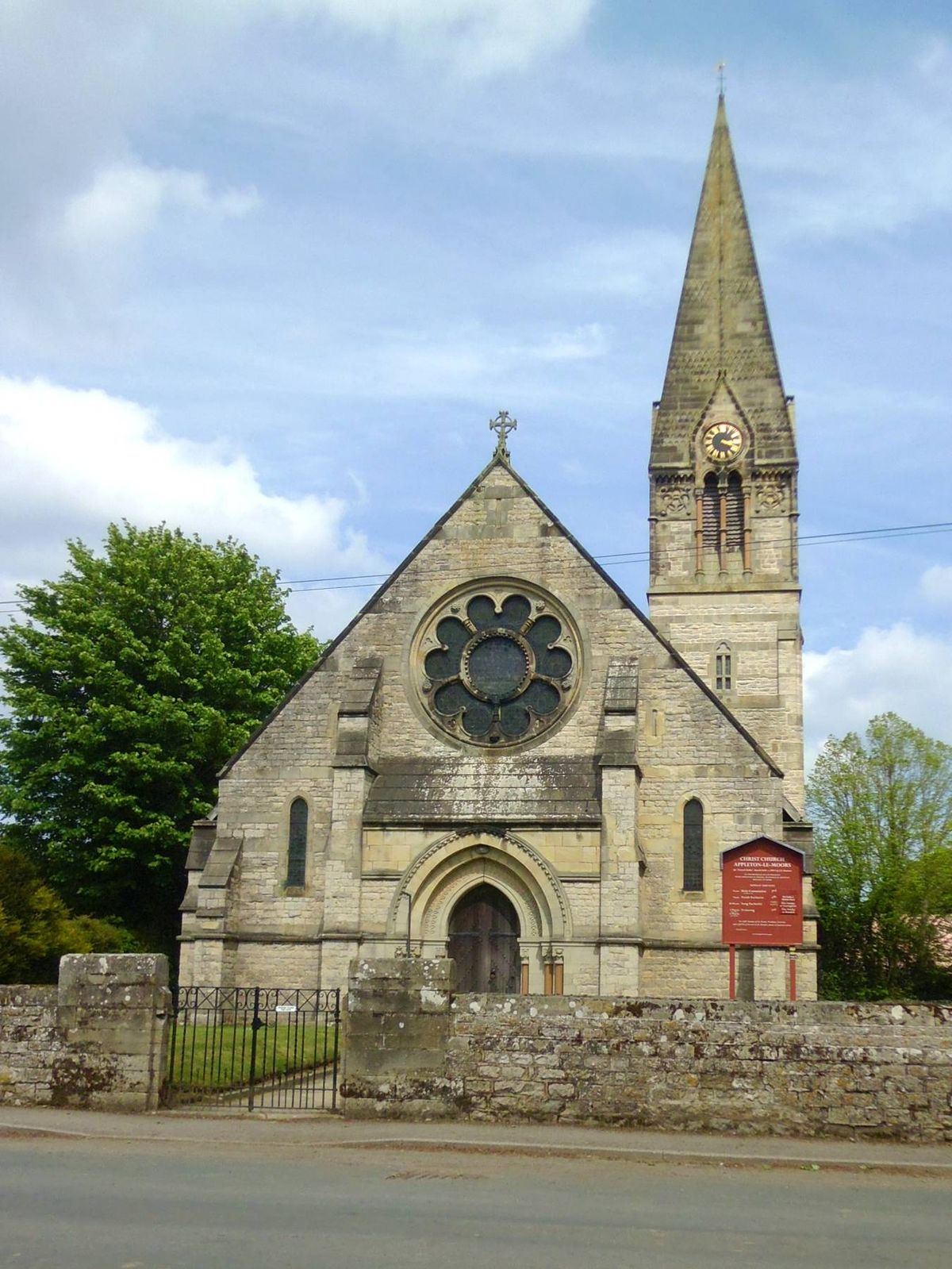
The Rose Window is the church's most breathtaking feature
The village is also renowned for its historic Christ Church, often described as “the little gem of moorland churches.” This Grade I listed 19th-century building showcases exquisite craftsmanship and was designed by J. L. Pearson, the architect behind Britain’s famous Truro Cathedral. Christ Church reflects Pearson’s signature French Gothic style, featuring intricate decoration throughout. Its most celebrated feature is the Rose Window, inspired by the White Rose of York, with stained-glass panels depicting Christian virtues such as Hope, Faith, and Charity. The church is further distinguished by a tower crowned with a graceful spire.
The Village Hall
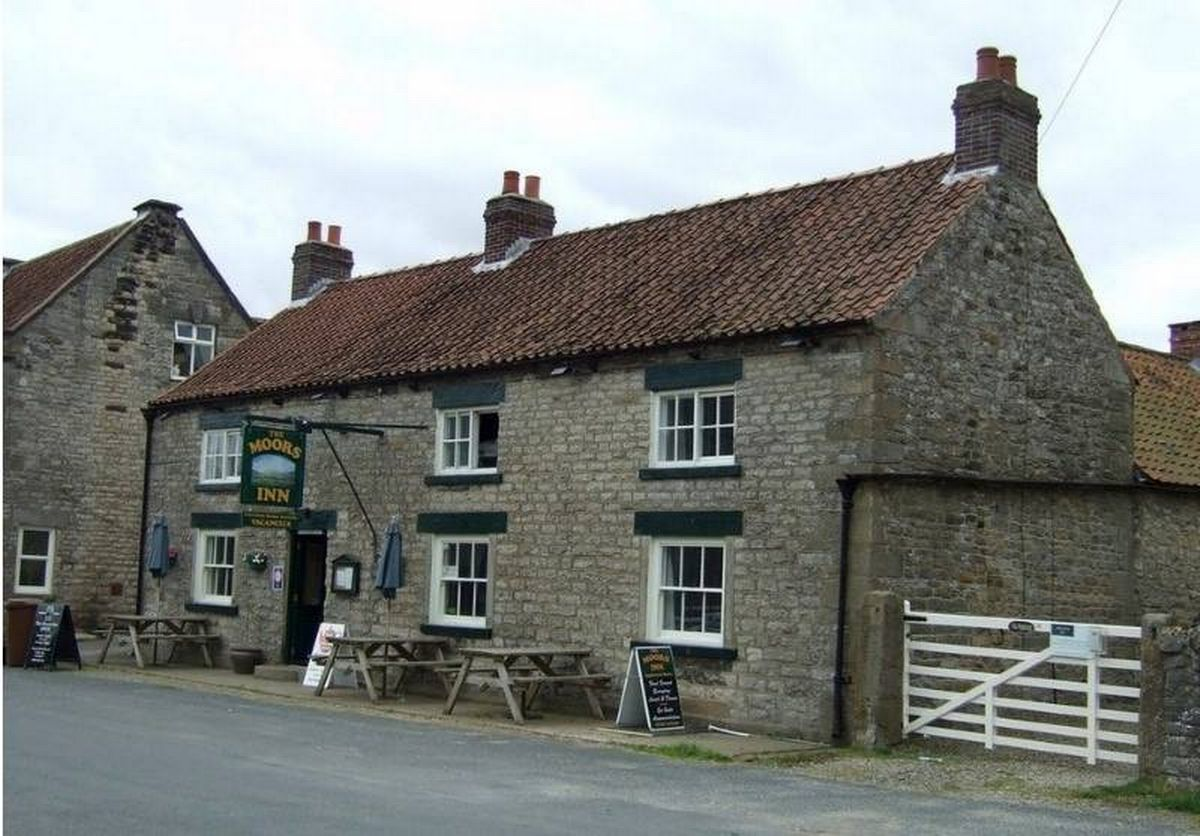
The Moors Inn is a must visit for food and drinks
Another notable landmark in Appleton-le-Moors is the Village Hall, also designed by J. L. Pearson. This Grade II listed building, originally a school, was constructed in 1867 and reflects Pearson’s Victorian Gothic style. Following major refurbishment in 1999, the hall now serves as a central hub for village life, embodying the spirit of the community.
Visitors should also make time for the village’s most famous establishment, The Moors Inn, which has welcomed guests since the 17th century.
The Reading Room
Another key feature of Appleton-le-Moors is the Reading Room, built in 1911 at a cost of £75. The project was financed by Joseph Page, a local butler at Appleton Hall, with the intention of providing villagers a social space where they could gather without the influence of alcohol.