Introduction
In the 11th century CE, amidst escalating military pressure from the Dai Viet kingdom to the north and the Khmer Empire to the west, the Champa political center shifted southward to the province of Bình Định. Here, the Cham established Vijaya, a heavily fortified regional kingdom that served as the Champa capital until its fall in 1471 CE.
To defend this maritime empire, Cham rulers engineered a sophisticated network of massive earthen and stone citadels, anchored by monumental brick watchtowers constructed across strategic mountain passes and river valleys.
Citadel Layout and Architectural Watchtowers
The centerpiece of this defense network was Thành Đồ Bàn (also known as the Vijaya Citadel or Cha Citadel), an immense rectangular fortification enclosing several square kilometers:
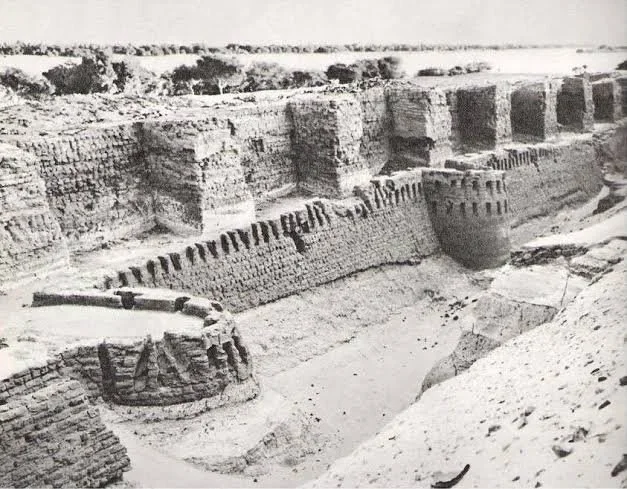
Composite Citadel Walls: Ramparts were constructed using rammed earth cores lined with heavy laterite stone blocks and fired bricks, surrounded by wide, water-filled moats fed by the Côn River.
Command Towers as Landmarks: Distinctive elevated towers—such as Tháp Bánh Ít (Silver Tower) and Tháp Cánh Tiên (Fairy's Wing Tower)—were built atop high hilltops surrounding the capital. These structures functioned both as state temples dedicated to Shiva and as visual watchtowers capable of signaling coastal invasions via smoke and fire
Conclusion
The Bình Định citadels and towers represent the pinnacle of late Cham military architecture. They reflect a kingdom adapting to continuous geopolitical conflict by fusing religious architecture with strategic, territorial defense systems.