Introduction
Located just 30 kilometers inland from the port of Hội An in Quảng Nam Province, Trà Kiệu—known historically in Sanskrit inscriptions as Simhapura ("City of the Lion")—was the first political and royal capital of the Champa Kingdom, flourishing from the 4th to the 8th century CE.
Positioned along the Thu Bồn River, Trà Kiệu served as the administrative brain paired with the spiritual center at nearby Mỹ Sơn, forming a quintessential Southeast Asian riverine state network that linked interior forests to global maritime trade routes.
Urban Defense & Masterpiece Sculptures
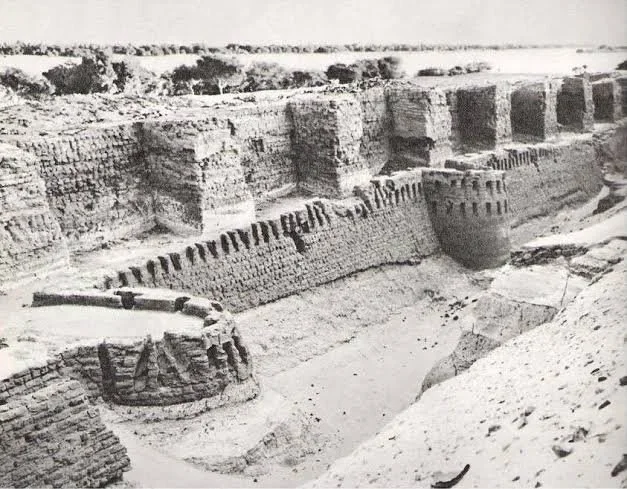
Excavations at Trà Kiệu reveal a fortified city enclosed by massive earthen and brick rampar walls that stretched over 1.5 kilometers in perimeter, reinforced by defensive ditches and river channels. The site has produced some of the finest masterpieces of Cham stone sculpture ever discovered, defining the 10th-century Trà Kiệu Style:
Artifact Masterpiece Material & Dimensions Iconographic & Structural Significance Trà Kiệu Pedestal Sandstone monolithic base (~1.2m high) Features a continuous bas-relief frieze illustrating episodes from the Hindu epic Ramayana, executed with fluid, rhythmic movement. Dancers' Frieze High-relief sandstone panelDepicts apsaras and musicians in dynamic, bent-knee postures, wearing intricate jewelry and conical headdresses. Simha (Lion) Statues Free-standing carved sandstone Monumental guardian lions placed at temple entrances, reflecting the city's namesake (Simhapura).
Conclusion
Trà Kiệu provides essential archaeological context for early Champa statehood. The city's fortified urban perimeter and world-renowned sandstone sculptures demonstrate how early Cham rulers deployed art, epic literature, and military architecture to consolidate royal authority.