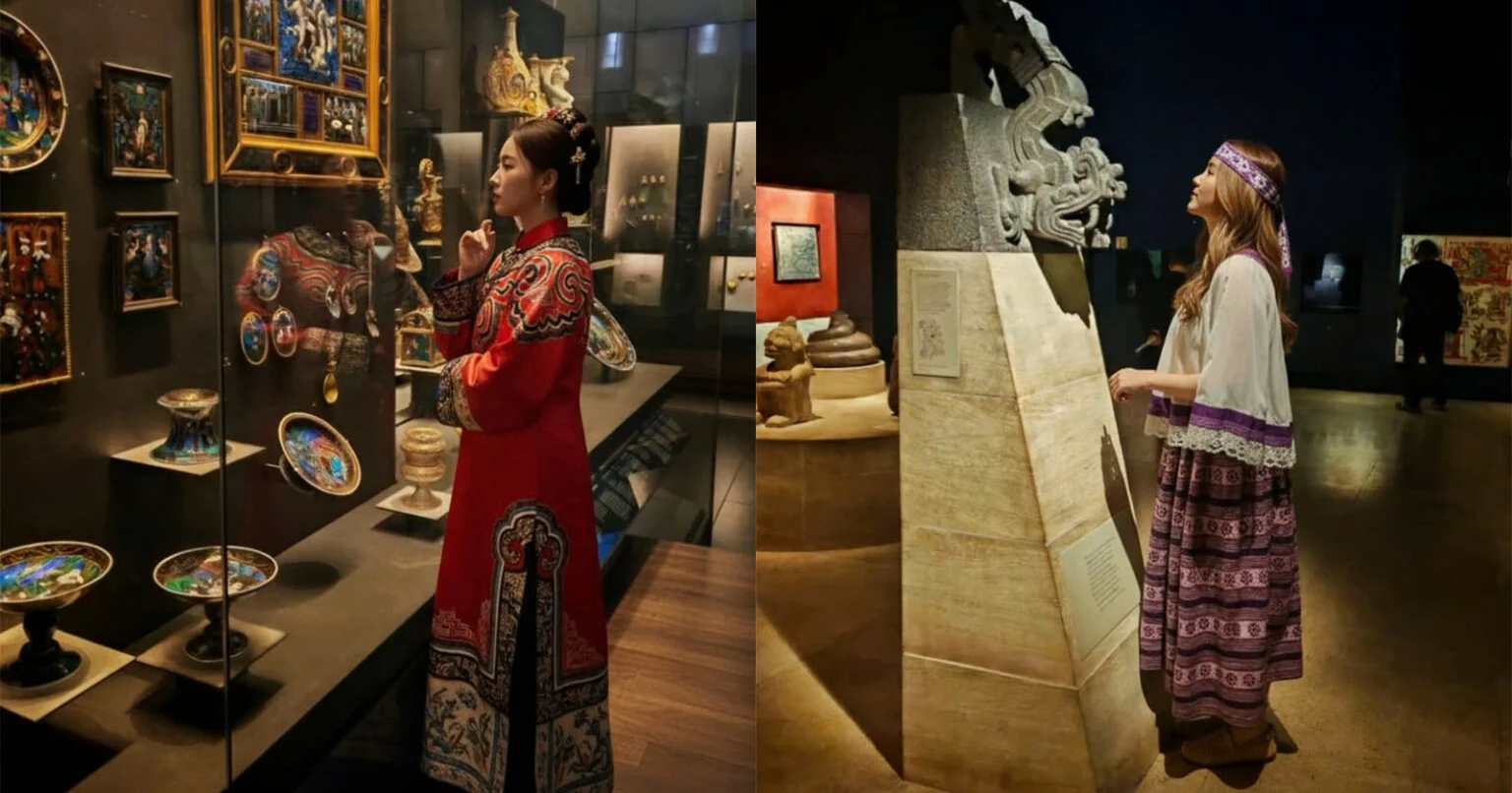
The British Museum in London, often criticized for holding collections accused of being looted, sparked some irony last week with a post featuring AI-generated images.
The images showed Elly Lin, a fictional AI-generated character, exploring the museum while dressed in various cultural outfits. Shared on the museum’s Instagram page, the post was quickly removed after only a few hours following “a barrage of really negative comments,” according to Artnet.
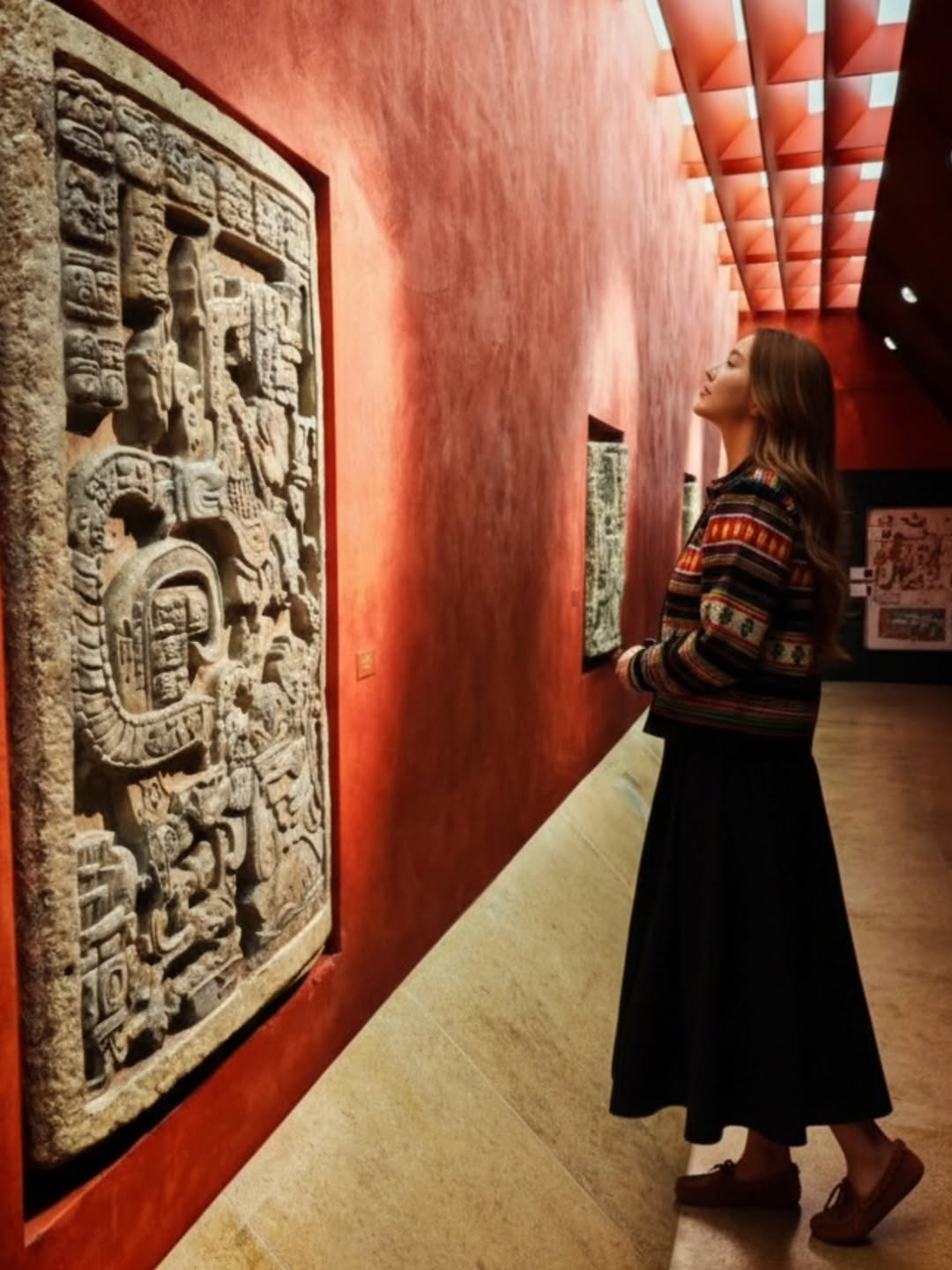
Archaeologist and PhD student Steph Black told Artnet that she suspects the museum is “testing the waters” to gauge public acceptance of AI-generated images, potentially as a way to justify cutting or not hiring human creatives and professionals. Black, who raised the issue to her 200,000 Instagram followers, says the British Museum has since unfollowed her — an action she interprets as a “threat.”
The museum confirmed to Artnet that the post was “user-generated” AI content. It stated, “We do not post AI-created images and, recognizing the potential sensitivity, removed it.”
AI’s Image Problem
Although the AI-generated images have been removed, the British Museum’s Instagram continues to receive a flood of comments about them. Under a post showing a real human viewing a feather cloak gifted by King Kamehameha I of Hawaii to King George III, Steph Black expressed her approval:
“Lovely non-AI image taken by a real human photographer of a real human admiring the artistry and creativity of other real humans,” she commented, earning 266 likes so far. “And look—no weird lighting or neck tilted back at an odd unnatural angle. How I love being human!”
AI images face widespread criticism for several reasons, notably that AI generators are trained on the work of millions of photographers and artists without permission or compensation. This has caused growing unease and backlash whenever AI is used, as seen in the negative reception to Darren Aronofsky’s AI-assisted reenactment of the American Revolution this week.