Introduction
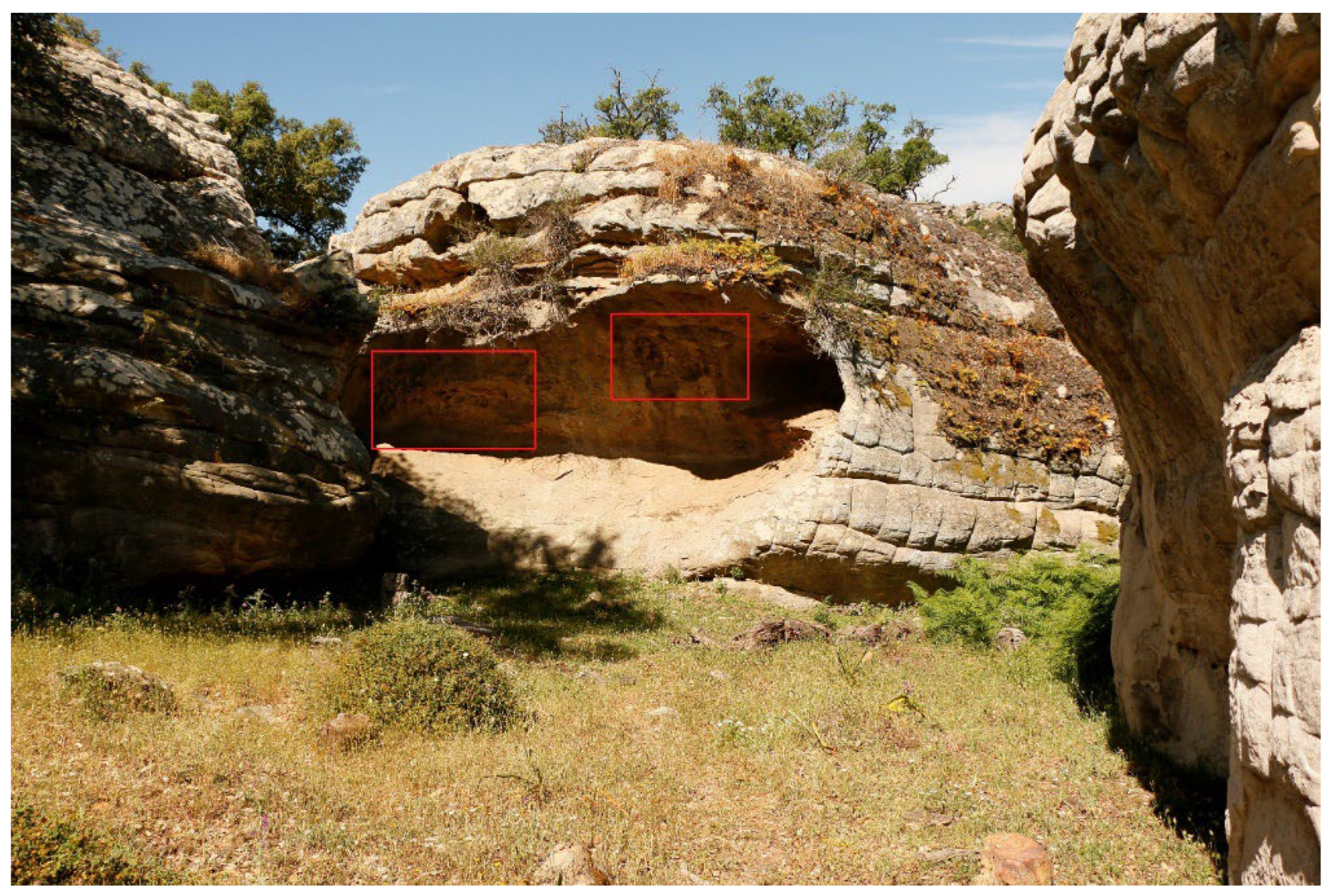
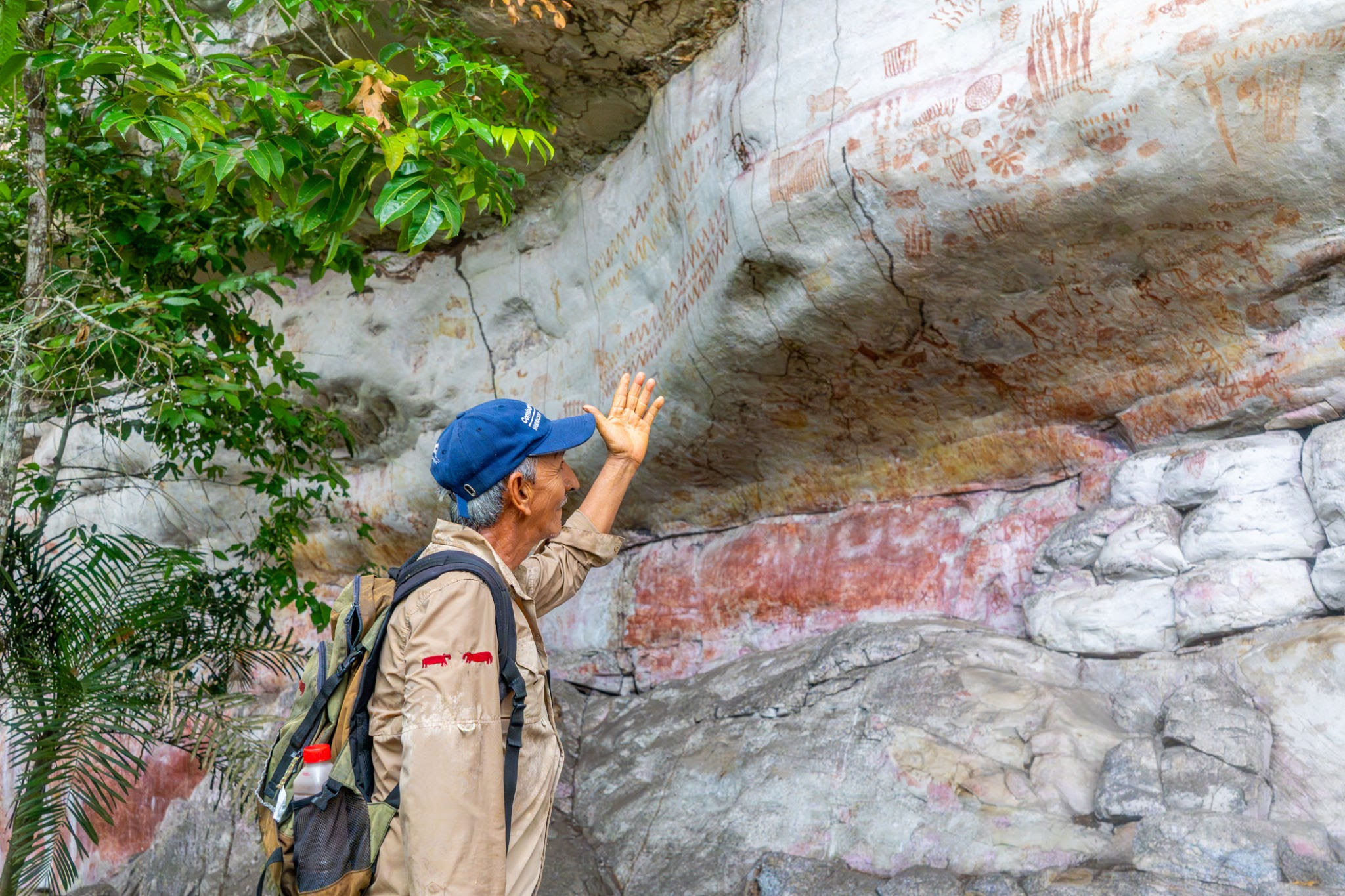
Deep within the Colombian Amazon, rising dramatically above the rainforest canopy, lie the isolated sandstone table mountains (tepuis) of Serranía de Chiribiquete. Declared a UNESCO World Heritage site, Chiribiquete houses the largest rock art complex in the Americas—a massive "Sistine Chapel of the Amazon" containing over 75,000 painted pictographs spread across dozens of rock shelters, with the oldest art layers dated to approximately 20,000 years ago.
Pigment Chemistry and Sacred Iconography
The pictographs of Chiribiquete were executed almost exclusively in bright red ochre (iron oxide), mixed with organic binders such as plant resins and animal fats to ensure adhesion to the porous sandstone surfaces.
The iconography reflects a complex shamanic worldview dominated by the cult of the jaguar (Panthera onca):
Jaguar Shamanism: Figures depicting humans transforming into jaguars, wearing spotted body paint, claws, and fangs, symbolizing shamanic journeys between physical and spiritual realms.
Faunal Diversity: Detailed depictions of Amazonian wildlife, including tapirs, capybaras, snakes, harpy eagles, and giant sloth species long extinct.
Hand Stencils & Geometric Codes: Hundreds of negative hand stencils combined with complex geometric patterns, ladders, and cosmic maps.
Because Chiribiquete remains sacred and inaccessible to uninitiated individuals according to local indigenous groups (such as the Carijona), the site continues to be used for traditional ritual practices by isolated communities living nearby.
Conclusion
Chiribiquete's painted cave labyrinth provides an unmatched chronicle of Amazonian spiritual life. Its 20,000-year artistic record represents one of humanity's longest continuous traditions of sacred rock art.