• MAIN PAGE
  • LATEST NEWS
    • Lost Cities
    • Archaeology's Greatest Finds
    • Underwater Discoveries
    • Greatest Inventions
    • Studies
    • Blog
  • PHILOSOPHY
  • HISTORY
  • RELIGIONS
    • Africa
    • Anatolia
    • Arabian Peninsula
    • Balkan Region
    • China - East Asia
    • Europe
    • Eurasian Steppe
    • Levant
    • Mesopotamia
    • Oceania - SE Asia
    • Pre-Columbian Civilizations of America
    • Iranian Plateau - Central Asia
    • Indus Valley - South Asia
    • Japan
    • The Archaeologist Editor Group
    • Scientific Studies
    • Aegean Prehistory
    • Historical Period
    • Byzantine Middle Ages
    • Predynastic Period
    • Dynastic Period
    • Greco-Roman Egypt
  • Rome
  • PALEONTOLOGY
  • About us
Menu

The Archaeologist

  • MAIN PAGE
  • LATEST NEWS
  • DISCOVERIES
    • Lost Cities
    • Archaeology's Greatest Finds
    • Underwater Discoveries
    • Greatest Inventions
    • Studies
    • Blog
  • PHILOSOPHY
  • HISTORY
  • RELIGIONS
  • World Civilizations
    • Africa
    • Anatolia
    • Arabian Peninsula
    • Balkan Region
    • China - East Asia
    • Europe
    • Eurasian Steppe
    • Levant
    • Mesopotamia
    • Oceania - SE Asia
    • Pre-Columbian Civilizations of America
    • Iranian Plateau - Central Asia
    • Indus Valley - South Asia
    • Japan
    • The Archaeologist Editor Group
    • Scientific Studies
  • GREECE
    • Aegean Prehistory
    • Historical Period
    • Byzantine Middle Ages
  • Egypt
    • Predynastic Period
    • Dynastic Period
    • Greco-Roman Egypt
  • Rome
  • PALEONTOLOGY
  • About us
No results found

Djelfa Petroglyphs: Algeria's Saharan Hunter Art

August 23, 2026

When Algeria Was Green: The Mysterious Rock Carvings of Djelfa's Ancient Hunters

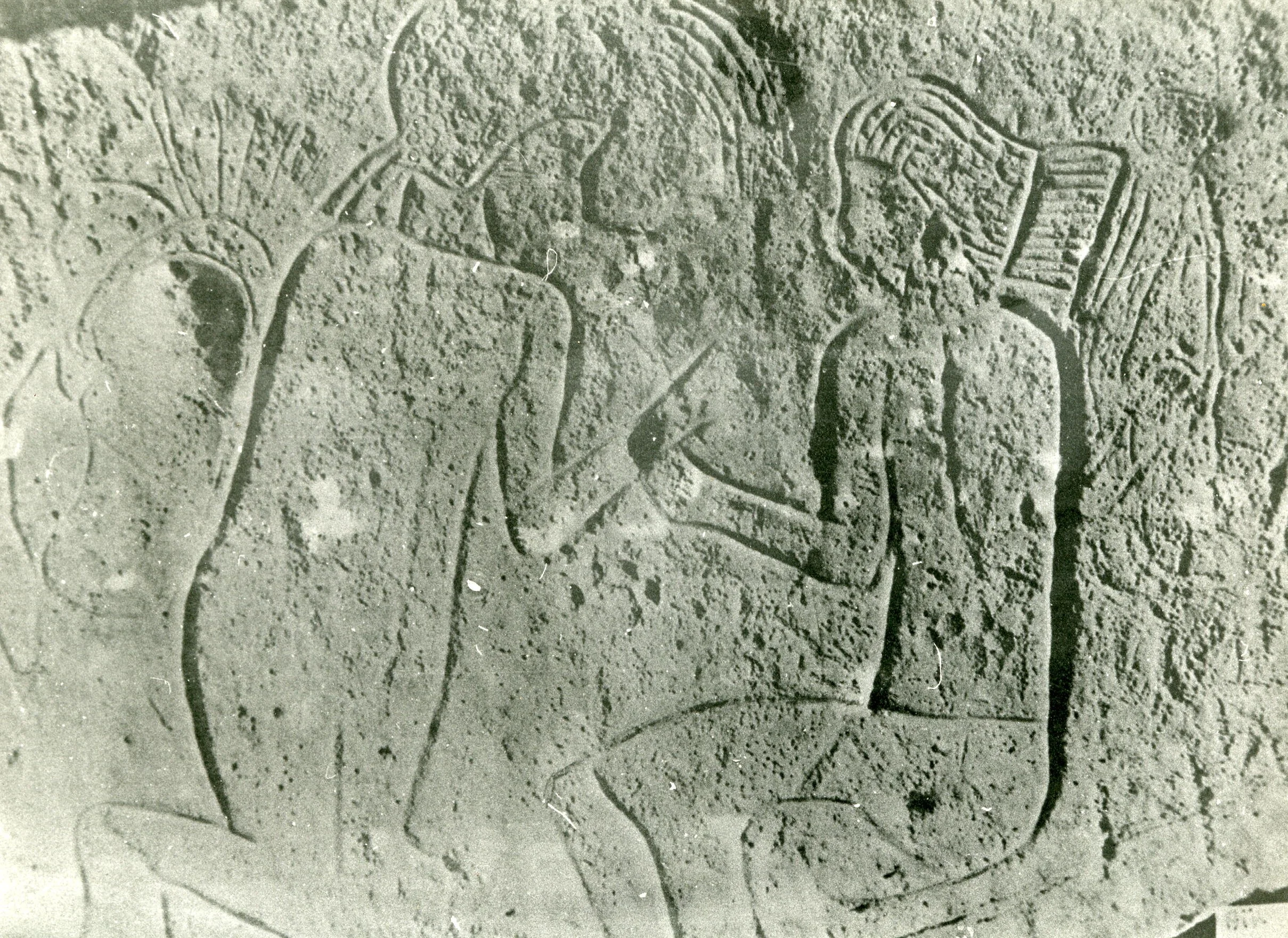
The region around Djelfa in Algeria contains one of North Africa's important concentrations of prehistoric rock art.

Across rocky landscapes, ancient artists carved animals, human figures, and scenes that provide evidence of societies that existed long before written history.

These petroglyphs are particularly valuable because they preserve traces of environmental conditions that no longer exist in the same form.

The Art of Engraving

Unlike painted rock art, petroglyphs were created directly into stone.

Artists could use techniques such as:

  • Pecking.

  • Incising.

  • Scraping.

  • Abrasion.

The work required time and skill.

An image was not created accidentally.

Someone deliberately selected a surface and transformed it.

The Animals of a Lost Environment

Some of the most important images depict animals.

These may include species associated with prehistoric hunting landscapes.

Their presence suggests environmental conditions different from those of the modern region.

Rock art therefore contributes to the study of climate history.

Hunters and Weapons

Human figures may be shown carrying weapons or interacting with animals.

Such scenes can provide clues about hunting technology and social activity.

However, interpretation must remain cautious.

A carved figure is not a photograph.

It may represent:

  • A real event.

  • A symbolic narrative.

  • A ritual.

  • A mythological concept.

The Pastoral Revolution

Some later images show the importance of domesticated cattle.

This reflects one of the major transformations of prehistoric North Africa.

Pastoralism changed:

  • Mobility.

  • Food production.

  • Social organization.

  • Relationships with animals.

The art provides visual evidence for these changes.

Why the Djelfa Petroglyphs Matter

The petroglyphs are a reminder that prehistoric societies were not primitive in the sense of being without culture.

They possessed:

  • Artistic traditions.

  • Symbolic systems.

  • Economic knowledge.

  • Social organization.

The images were part of communication.

Although we may not fully understand their meaning, their survival demonstrates the extraordinary depth of Algeria's human history.
← Gara Khanga: Libya's Rock EngravingsTassili n'Ajjer: Algeria's 12,000-Year Rock Paintings →
Featured
image_2026-08-21_231115959.png
August 23, 2026
Mudejar Sintra: Portugal's Islamic Palace Remains
August 23, 2026
Read more →
August 23, 2026
image_2026-08-21_231446774.png
August 23, 2026
Qal'at Bani Hammad: Algeria's 11th-Century Aghlabid City
August 23, 2026
Read more →
August 23, 2026
image_2026-08-23_221330300.png
August 23, 2026
Timgad: Algeria's Roman North African Colony
August 23, 2026
Read more →
August 23, 2026
libya-tadrart-acacus-cave-art--e1508918107880.jpg
August 23, 2026
Acacus Mountains: Libya's 14,000-Year Rock Art
August 23, 2026
Read more →
August 23, 2026
Fondazione_Passaré_V1_056.jpg
August 23, 2026
Ti-n-Torha: Libya's Round Head Paintings
August 23, 2026
Read more →
August 23, 2026
images.jpeg
August 23, 2026
Messak Settafet: Libya's 10,000-Year Engravings
August 23, 2026
Read more →
August 23, 2026
read more

Powered by The archaeologist