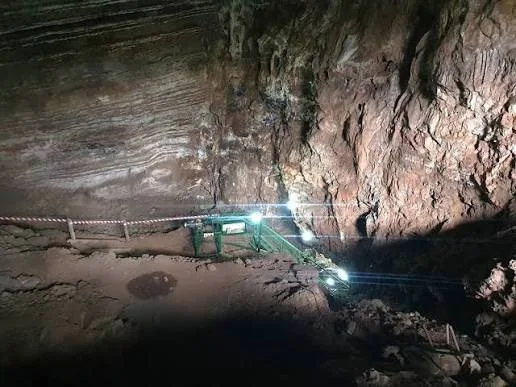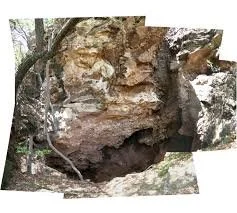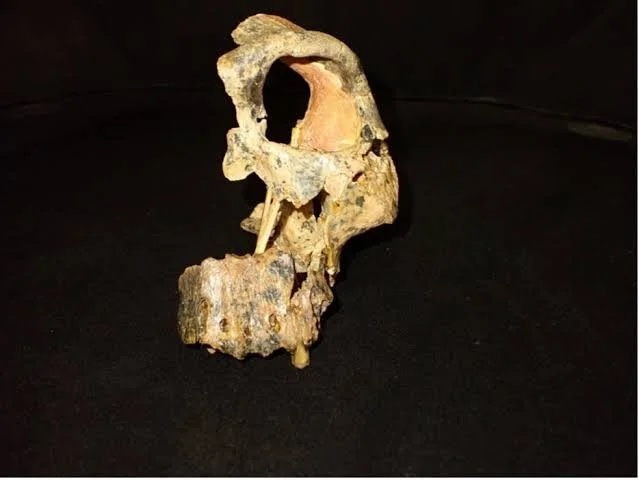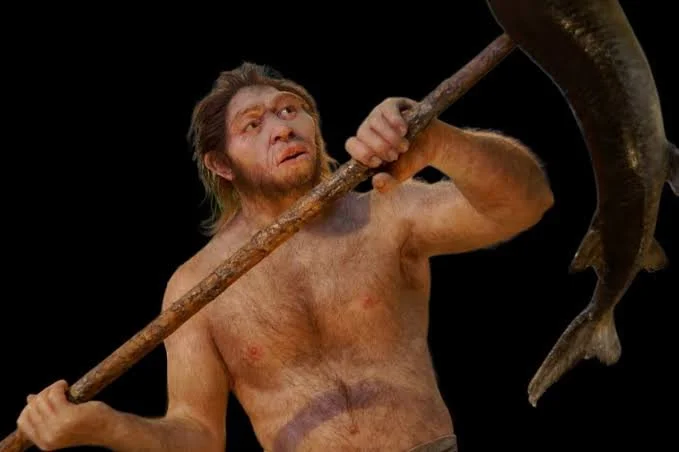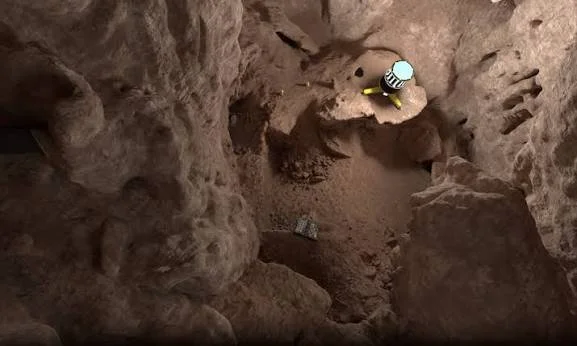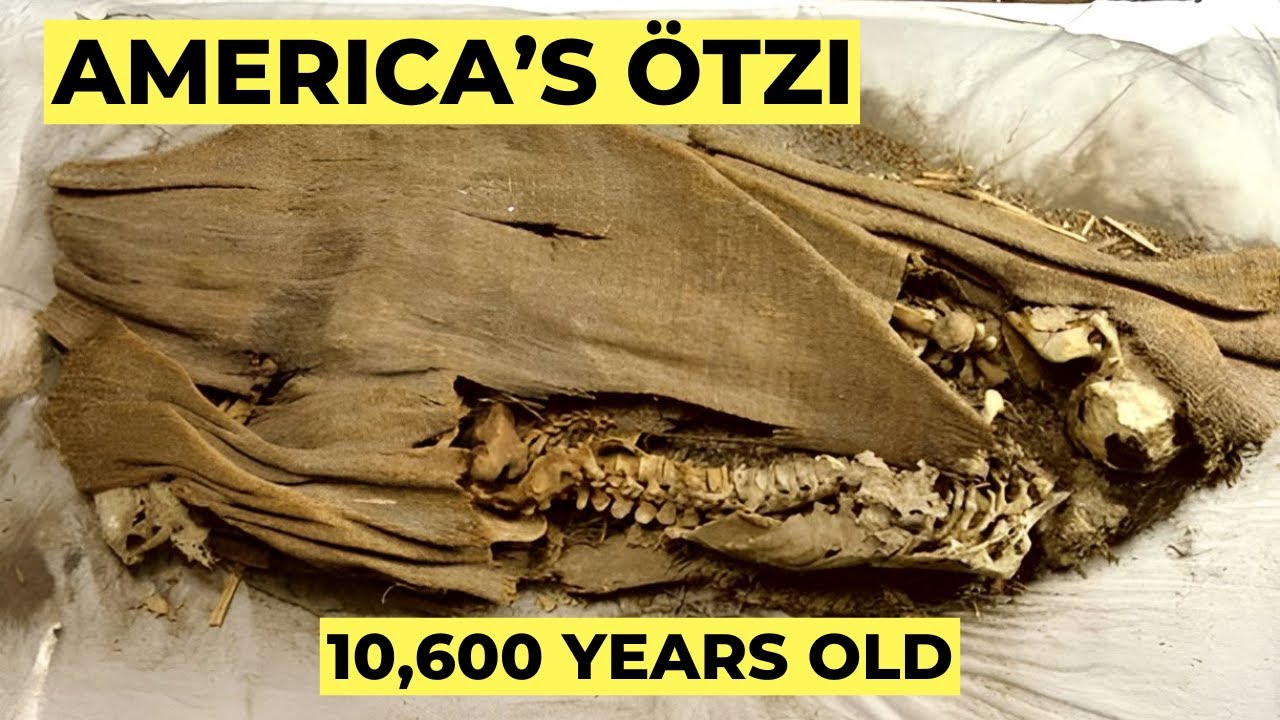
In 1940, deep in the Nevada desert, archaeologists stumbled upon a mysterious bundle buried in the dark of Spirit Cave. What they found inside would remain largely forgotten for decades — America’s oldest natural mummy, predating even Ötzi, Europe’s famed Iceman. At first, it was just another archaeological curiosity, a carefully wrapped body from a long-lost era. But little did anyone know that this discovery would one day force historians and scientists to rewrite the story of the Americas.
For years, the mummy sparked heated debates. How old was it? Who was this individual, and what culture did they belong to? Indigenous groups raised questions about ancestry and stewardship, while scientists wondered how this find fit into the broader puzzle of early human migration. The mystery lingered, frustrating generations of researchers.
The breakthrough came with the application of modern DNA technology. From a single bone, scientists were able to extract genetic material that told a story no one expected. The DNA revealed a 10,000-year lineage, linking the Spirit Cave individual to the first peoples of the Americas in ways that completely altered previous assumptions. This wasn’t just an isolated case — it showed a continuity of human presence that spanned millennia, reshaping our understanding of how North America was populated.
Beyond the science, the discovery highlights the intersection of archaeology, genetics, and Indigenous history. It reminds us that every artifact carries stories far beyond its immediate context, and that one long-forgotten mummy can challenge centuries of assumptions about human history on an entire continent.
🎥 Watch the full episode below to uncover how Spirit Cave’s mummy changed the course of American history: