The Refinery Problem
California has lost a significant chunk of its in-state refining capacity over the past few decades due to closures, environmental regulations, and market shifts. Fewer refineries = less local production of gasoline.
Unlike the Gulf Coast, California is basically an “energy island.” It has:
Limited interstate petroleum pipelines
No direct pipeline connection to major Gulf Coast refining hubs
Tight fuel specifications that make importing from other states complicated
So when in-state production dips, the state has to look overseas.
Why the Bahamas?
The Bahamas isn’t drilling oil.
What’s happening is that fuel is often stored or blended at facilities in places like Freeport, then shipped to California. These storage hubs operate as international trading and redistribution points.
It’s a workaround born from infrastructure constraints — not a Caribbean oil boom.
The Jones Act Factor
Here’s where it gets spicy.
The Jones Act (officially the Merchant Marine Act of 1920) requires that goods transported between U.S. ports must be carried on:
U.S.-built
U.S.-owned
U.S.-crewed vessels
There are very few Jones Act–compliant tankers available, and they’re expensive to charter.
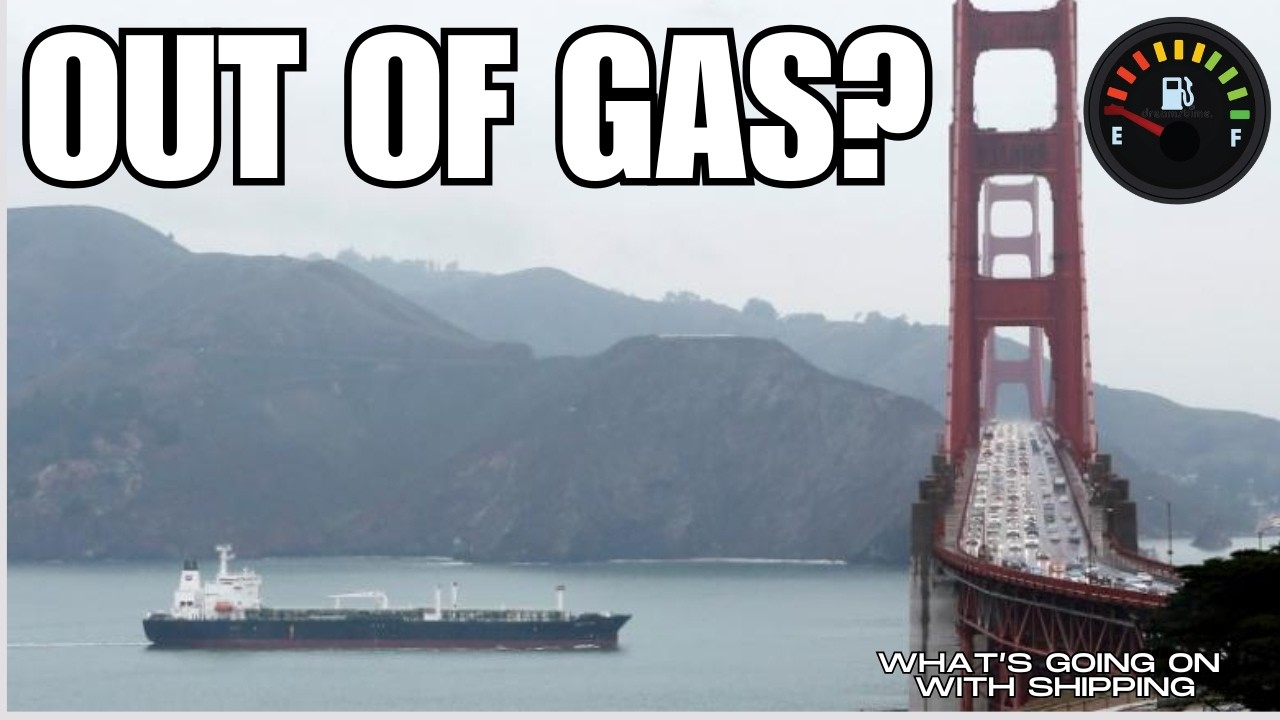
So instead of shipping gasoline directly from Texas to California on a costly U.S.-flag tanker, companies sometimes import fuel via foreign-flagged ships from international hubs — including the Bahamas — because once it’s considered an international shipment, the Jones Act doesn’t apply.
That’s the loophole. It can literally be cheaper to ship fuel from the Gulf Coast to the Caribbean and then to California than to send it directly between two U.S. ports.
Storage & Infrastructure Gaps
California also has limited fuel storage capacity compared to major refining regions. That makes the system more sensitive to refinery outages and supply shocks.
When disruptions hit, the state has to move quickly — and the global market becomes the backup plan.
The Bigger Picture
This situation highlights three structural realities:
California’s refining footprint is shrinking.
The state is geographically isolated from other U.S. fuel systems.
The Jones Act reshapes domestic shipping economics in ways many people don’t realize.
It’s less about the Bahamas being a fuel powerhouse… and more about how maritime law, infrastructure limits, and market forces intersect.
Energy logistics is a chessboard. And California is playing from the edge of it.
🎥 Watch the full video below to see how California gets its gasoline and the impact of maritime law on fuel supply: