Frozen in Time: Ice Age Giants Preserved in Permafrost
Imagine walking across a barren Arctic tundra… and beneath your feet lies a world untouched for tens of thousands of years.
Not bones turned to dust.
Not fragments.
But entire bodies — fur, muscle, even stomach contents — preserved in ice like nature’s own deep freezer.
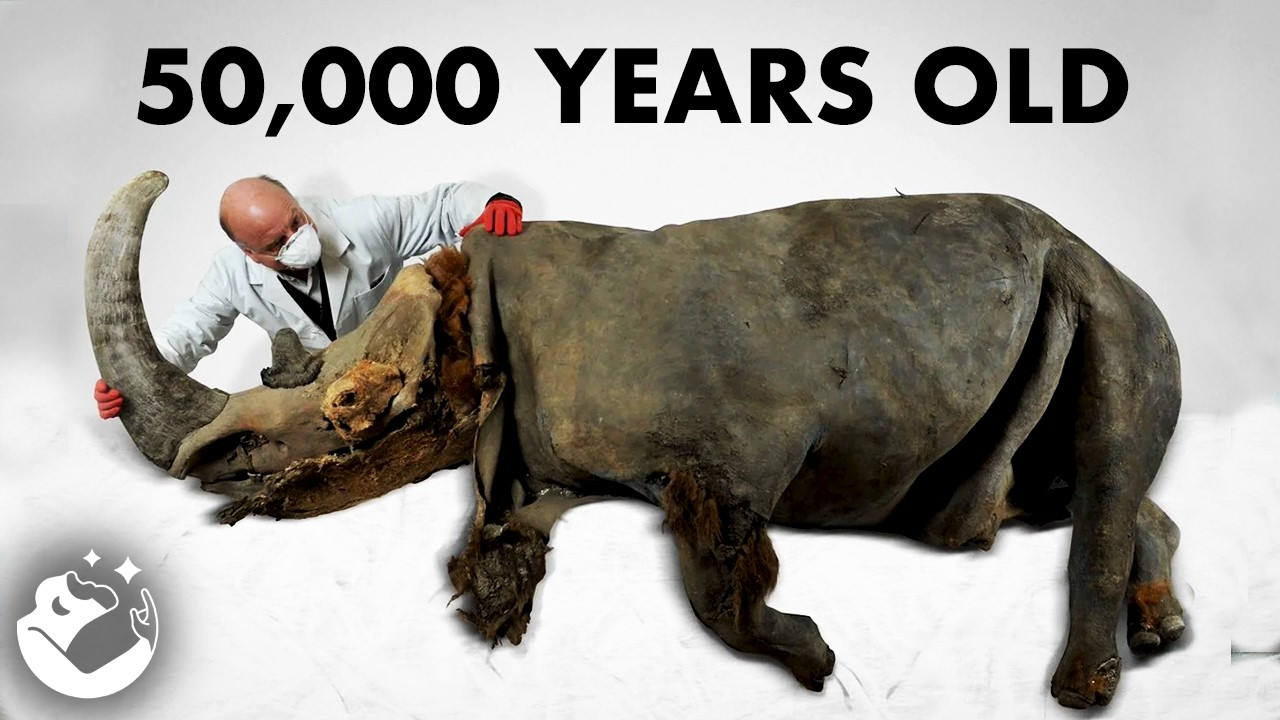
Permafrost has safeguarded some of the most astonishing remnants of the Ice Age, giving us rare, intimate access to ecosystems long vanished.
The Woolly Mammoth: A Giant Reawakened
Few Ice Age creatures capture the imagination like the Woolly mammoth.
In Siberia and Alaska, melting permafrost has revealed mammoths so well preserved that their fur remains intact, their tusks gleaming, and in some cases, even their last meals still inside them.
These discoveries allow scientists to study:
Diet and seasonal migration
Climate conditions of the Pleistocene
Genetic blueprints through ancient DNA
We’re not just looking at skeletons — we’re looking at snapshots of life frozen mid-story.
Steppe Bison: Power of the Ice Age Plains
The massive Steppe bison once roamed Eurasia and North America in staggering numbers.
Perfectly preserved specimens show thick fur and muscular builds suited for brutal cold.
By analyzing preserved tissue and DNA, researchers reconstruct ancient grassland ecosystems — vast, windswept plains that supported entire food chains of megafauna.
Cave Lions: Predators in the Permafrost
Among the rarest and most haunting finds are preserved cubs of the Eurasian cave lion.
Unlike modern lions, these Ice Age predators hunted in colder, open environments. Some mummified cubs discovered in Siberia were so intact that whiskers and facial features remained visible.
For the first time, we can study their anatomy in extraordinary detail — revealing how apex predators adapted to glacial worlds.
Ancient DNA: Reading the Ice Age Code
Perhaps the most revolutionary breakthrough isn’t what we see — it’s what we extract.
Frozen tissue allows scientists to sequence ancient DNA, opening doors to:
Evolutionary timelines
Species interbreeding events
Climate adaptation patterns
Even discussions about de-extinction
Permafrost has essentially become a biological archive.
Each thawing discovery rewrites chapters of human and natural history.
Humans in the Frozen World
These frozen remains don’t just tell us about animals — they illuminate human survival.
Ice Age humans hunted mammoths, followed bison herds, and navigated extreme climates.
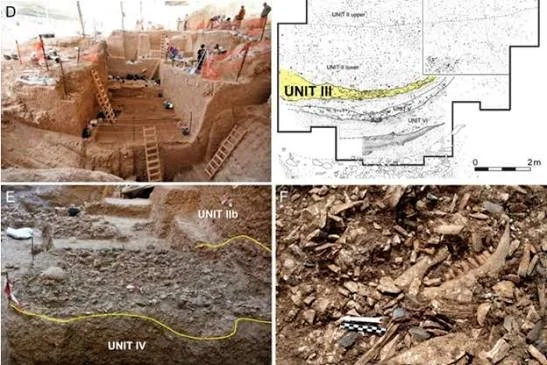
Some preserved sites even contain tools, dwellings, and traces of human interaction with megafauna.
Through these finds, we glimpse the resilience and ingenuity of early people adapting to one of Earth’s harshest environments.
A Race Against Time
There’s an irony here.
The same warming climate that threatens modern ecosystems is also revealing ancient ones.
As Arctic permafrost melts, more discoveries emerge — but they are exposed to decay almost immediately.
Scientists are now racing to recover, preserve, and study these remnants before they disappear forever.
Permafrost is not just frozen soil.
It’s a time capsule.
A silent vault preserving entire worlds beneath the ice — waiting to tell their story.
🎥 Watch the full episode below to explore the astonishing Ice Age discoveries preserved in permafrost and uncover what ancient DNA, frozen fur, and mummified predators reveal about our planet’s distant past.