The Late Neolithic Hunter-Gatherer Resurgence in Europe
Genetic research is reshaping our understanding of Europe’s deep past. Thousands of years after the first farmers spread across Europe from Anatolia, DNA reveals an unexpected twist: traces of Mesolithic hunter-gatherers re-emerged in the genetic makeup of these Neolithic farming populations.
Even more surprising, many of the male lineages of Neolithic farmers were replaced with those of hunter-gatherers, an event now called the Late Neolithic Hunter-Gatherer Resurgence. This phenomenon raises fascinating questions:
Why did hunter-gatherer genes reappear after the arrival of farming communities?
How did this genetic resurgence transform the demographics, culture, and societies of Neolithic Europe?
What does it tell us about the interactions, migrations, and adaptability of early humans?
Through advances in ancient DNA analysis, researchers are now able to trace these complex patterns, revealing a Europe far more dynamic and interconnected than previously imagined. This resurgence demonstrates that hunter-gatherer populations continued to influence and reshape early agricultural societies in ways that still echo in the DNA of Europeans today.
Whether you’re a history buff, archaeology enthusiast, or just curious about your own genetic past, these discoveries highlight the power of modern genetic research in uncovering the stories of our ancestors.
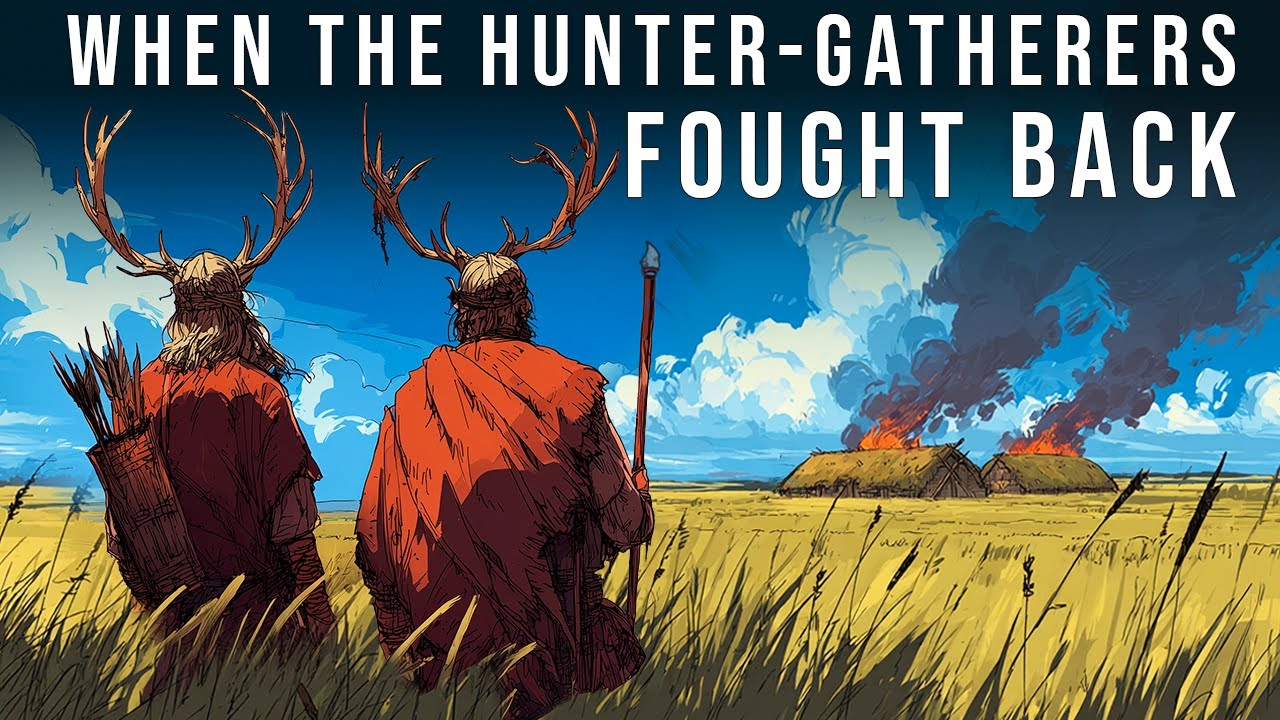
🎥 Watch the video below to explore the Late Neolithic Hunter-Gatherer Resurgence and see how these ancient genetic shifts transformed Europe: