• MAIN PAGE
  • LATEST NEWS
    • Lost Cities
    • Archaeology's Greatest Finds
    • Underwater Discoveries
    • Greatest Inventions
    • Studies
    • Blog
  • PHILOSOPHY
  • HISTORY
  • RELIGIONS
    • Africa
    • Anatolia
    • Arabian Peninsula
    • Balkan Region
    • China - East Asia
    • Europe
    • Eurasian Steppe
    • Levant
    • Mesopotamia
    • Oceania - SE Asia
    • Pre-Columbian Civilizations of America
    • Iranian Plateau - Central Asia
    • Indus Valley - South Asia
    • Japan
    • The Archaeologist Editor Group
    • Scientific Studies
    • Aegean Prehistory
    • Historical Period
    • Byzantine Middle Ages
    • Predynastic Period
    • Dynastic Period
    • Greco-Roman Egypt
  • Rome
  • PALEONTOLOGY
  • About us
Menu

The Archaeologist

  • MAIN PAGE
  • LATEST NEWS
  • DISCOVERIES
    • Lost Cities
    • Archaeology's Greatest Finds
    • Underwater Discoveries
    • Greatest Inventions
    • Studies
    • Blog
  • PHILOSOPHY
  • HISTORY
  • RELIGIONS
  • World Civilizations
    • Africa
    • Anatolia
    • Arabian Peninsula
    • Balkan Region
    • China - East Asia
    • Europe
    • Eurasian Steppe
    • Levant
    • Mesopotamia
    • Oceania - SE Asia
    • Pre-Columbian Civilizations of America
    • Iranian Plateau - Central Asia
    • Indus Valley - South Asia
    • Japan
    • The Archaeologist Editor Group
    • Scientific Studies
  • GREECE
    • Aegean Prehistory
    • Historical Period
    • Byzantine Middle Ages
  • Egypt
    • Predynastic Period
    • Dynastic Period
    • Greco-Roman Egypt
  • Rome
  • PALEONTOLOGY
  • About us
No results found

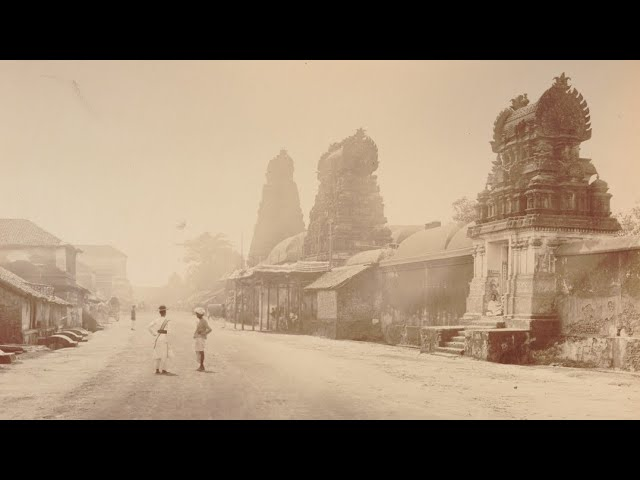
The First Photographs Ever Taken of India (1860-1870 by Samuel Bourne) Old World Architecture

February 8, 2026

India in the 1860s: The Oldest Photographs by Samuel Bourne

Howdy ya’ll! Today, we take a journey back to India in the 1860s through the lens of Samuel Bourne, one of the earliest and most accomplished photographers of the time. Bourne captured the landscapes, architecture, and people of India during the British colonial period, producing images that remain astonishing more than 150 years later.

In this collection, I have translated the original titles of the photographs and included them alongside the relevant images, offering a closer look at the stories Bourne sought to convey. From majestic temples and bustling city streets to serene rivers and imposing mountains, these photographs provide a rare glimpse into the Old World of India — a time and place frozen in light and shadow.

These images are not only visually stunning, but they also serve as historical documents, helping us understand life, culture, and architecture in 19th-century India. Each photograph tells a story, inviting us to step back in time and see the country as Bourne saw it over a century and a half ago.

I’d love to hear your thoughts on these images, so don’t forget to leave a comment below!

🎥 Watch the video belOw to explore Samuel Bourne’s oldest photographs of India, and experience the sights, people, and landscapes of the 1860s through his remarkable lens:
← Europe's Astonishing Hunter-Gatherer ResurgenceAncient Civilizations That Hide Below The Sea | Underworld | Earth Stories →
Featured
image_2026-09-01_150407961.png
September 9, 2026
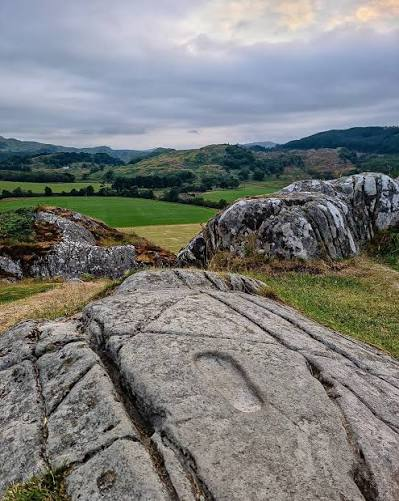
Dunadd Fort: Argyll's Inauguration Rock Carvings
September 9, 2026
Read more →
September 9, 2026
image_2026-09-01_150445885.png
September 9, 2026
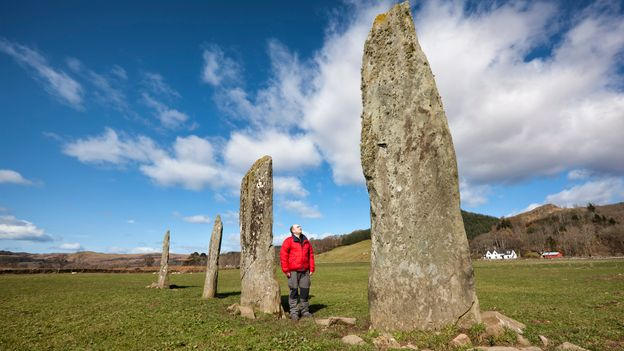
Kilmartin Glen: Argyll's 5,000-Year Megalithic Landscape
September 9, 2026
Read more →
September 9, 2026
image_2026-09-01_150523753.png
September 9, 2026
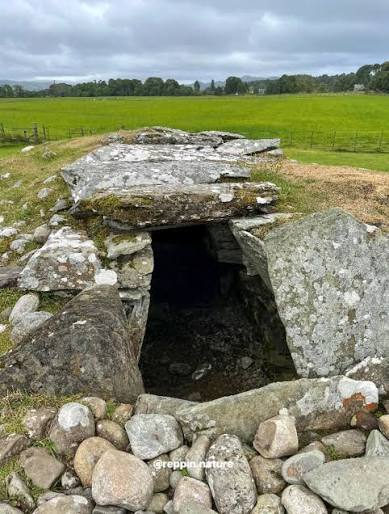
Nether Largie: Argyll's Clyde Tomb Alignment
September 9, 2026
Read more →
September 9, 2026
image_2026-09-01_150612586.png
September 9, 2026
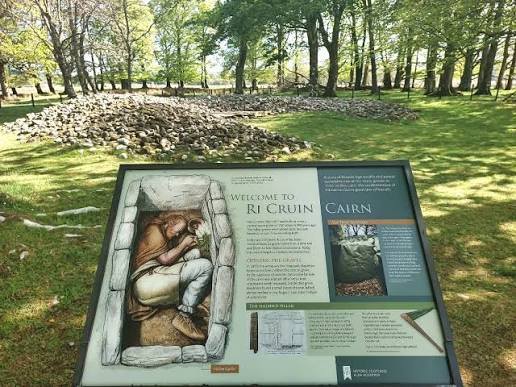
Ri Cruin: Argyll's Bronze Age Cairn Circle
September 9, 2026
Read more →
September 9, 2026
image_2026-09-01_150753980.png
September 9, 2026
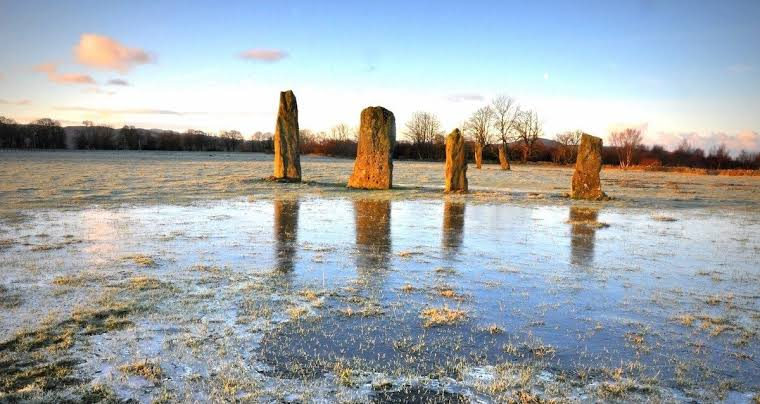
Barnaluasgan: Argyll's Standing Stones
September 9, 2026
Read more →
September 9, 2026
image_2026-09-01_150644895.png
September 9, 2026
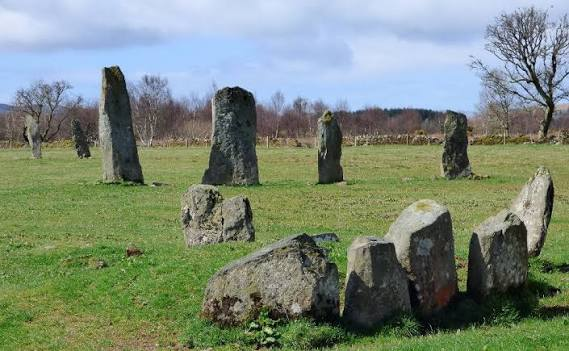
Ballymeanoch: Argyll's Kerbed Cairn
September 9, 2026
Read more →
September 9, 2026
read more

Powered by The archaeologist